
Sergey Brin Reflects on Google Glass Failure: “I Tried to Commercialise It Too Quickly”

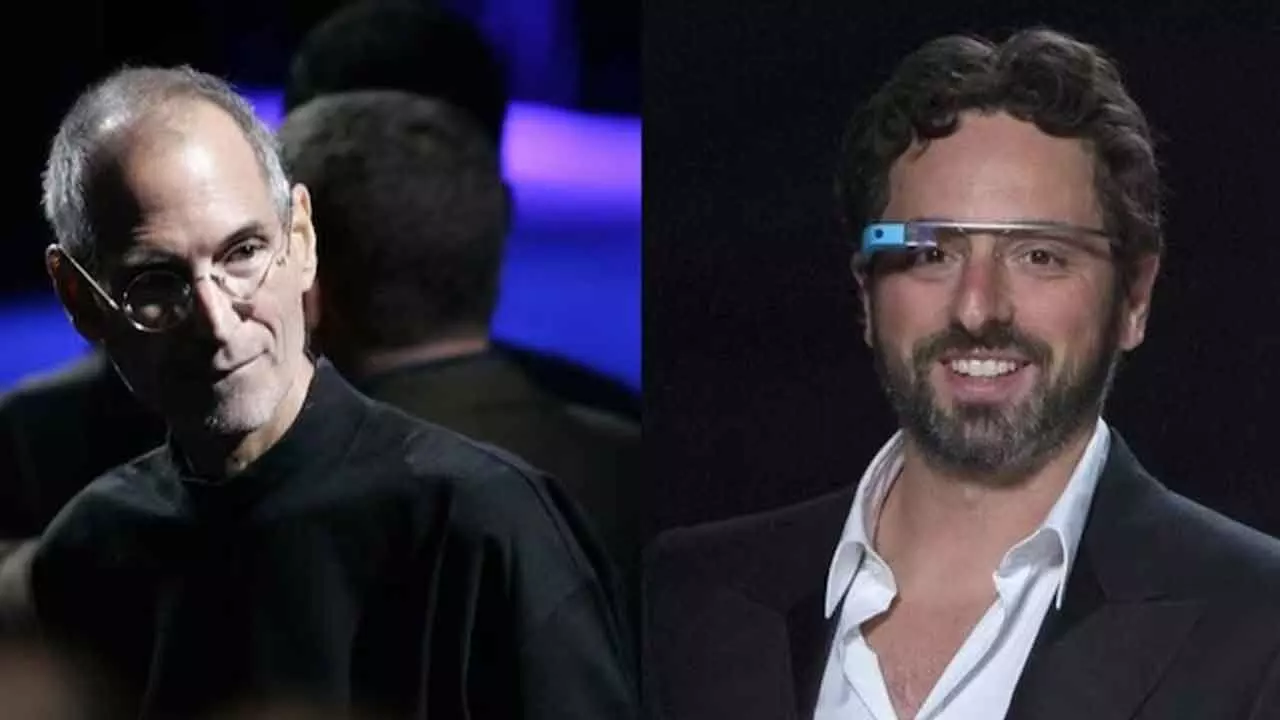
Sergey Brin admits ambition and haste hurt Google Glass, urging innovators to fully mature ideas before rushing them to market.
More than a decade after Google Glass quietly faded from public view, Google co-founder Sergey Brin has offered a candid reflection on why the ambitious smart-glasses project failed. Speaking recently at Stanford University during the institution’s centennial celebrations, Brin acknowledged that his desire to make Google Glass a breakthrough consumer product led him to rush it into the market before it was ready.
Launched in 2014, Google Glass was one of the earliest attempts to bring smart eyewear to mainstream consumers. At the time, the device was widely seen as futuristic, but it also faced criticism for its awkward design, privacy concerns, and a steep price tag of $1,500 (around ₹1.9 lakh today). While the idea was bold, consumer adoption never followed, and the product eventually became one of Google’s most talked-about missteps.
Looking back, Brin admitted that timing and execution played a major role in the product’s downfall. “I think I tried to commercialise it too quickly,” he said, explaining that the technology and overall experience had not yet reached consumer-ready maturity. He added, “Before, you know, we could make it more, you know, as cost-effectively as we needed to and as polished as we needed to from a consumer standpoint and so forth.”
Brin also revealed that personal ambition influenced his decisions. Inspired by Apple co-founder Steve Jobs, whose products like the iPhone reshaped the tech industry, Brin believed Google Glass could be his defining moment. “I sort of, you know, jumped the gun, and I thought, ‘Oh, I’m the next Steve Jobs, I can make this thing. Ta da,’” he confessed. That confidence, he suggested, may have clouded practical judgment.
Instead of becoming the “next iPhone,” Google Glass became a lesson in how even groundbreaking ideas can fail without the right balance of readiness, affordability, and consumer appeal. The experience has since shaped Brin’s advice to young innovators and students. Drawing from his own mistakes, he urged them to focus on refining products thoroughly before turning them into headline-grabbing launches.
“When you have your cool, new wearable device idea, really fully bake it before you have a cool stunt involving skydiving and airships,” Brin said, adding, “That’s one tip I would give you.” The comment referenced the flashy marketing stunts Google used during Glass’s early days, which created hype but couldn’t compensate for the product’s shortcomings.
Despite the failure of Google Glass, Brin’s reflections show that the company did not abandon the category entirely. Over the years, smart glasses have steadily evolved, with newer products like the Meta Ray-Ban glasses finding a more practical balance between style and function. Google, too, appears ready for another attempt. The company is reportedly preparing to launch a new generation of smart glasses, currently known as Project Aura, expected to debut in 2026.
Brin’s honest assessment serves as a reminder that innovation is as much about patience and timing as it is about vision. Even the most powerful ideas, he suggests, need time to mature before they can truly change the world.


