




- Mkts ride earnings wave amid global headwinds
- Illegal structures sprout right under the nose of civic babus!
- BRS seeks probe into TOMCOM’s overseas job promises
- Two held in Rs 29-lakh digital arrest fraud
- Telangana parties play hide-and-seek over alliances
- Dasara joy turns tragic for Wanaparthy twins
- DEO steps up booth checks ahead of graduates’ MLC polls
- Woman undertrial held for trying to sneak Rs 11,500 into jail
ACCA Ends Online Exams Over AI Cheating Concerns
In Short
Citing a surge in AI-powered cheating, global accounting body ACCA will discontinue online exams worldwide starting March 2026.

Share :
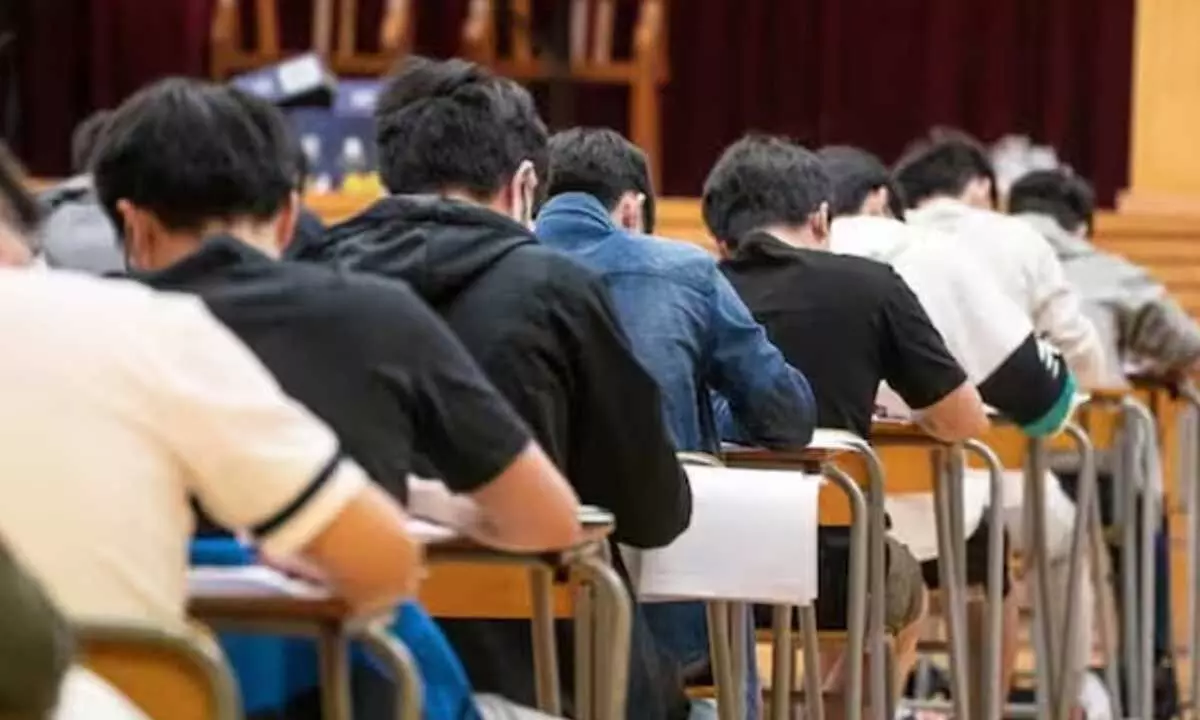
The world’s largest accounting body, the UK-based Association of Chartered Certified Accountants (ACCA), has announced a decisive shift away from online examinations, citing an alarming rise in artificial intelligence–driven cheating. Beginning March 2026, the organisation will require nearly all candidates to sit for their exams in person, marking a major change in how one of the most widely recognised professional qualifications is assessed globally.
Artificial intelligence tools, once largely seen as aids for research and learning, are now posing serious challenges to exam integrity. According to the ACCA, the sophistication of cheating methods using AI has reached a stage where existing online safeguards are no longer sufficient. The decision will affect more than 500,000 students worldwide who are currently pursuing ACCA qualifications.
Speaking to the Financial Times, ACCA chief executive Helen Brand acknowledged the scale of the problem, saying, “We’re seeing the sophistication of [cheating] systems outpacing what can be put in, [in] terms of safeguards.” The organisation currently has over 2,57,900 members and operates across multiple countries, making exam security a complex global task.
Online exams were first introduced by the ACCA during the COVID-19 pandemic, when lockdowns and travel restrictions made traditional test centres inaccessible. While remote assessments helped students continue their studies during an unprecedented period, the long-term challenges of maintaining fairness in a rapidly evolving digital landscape have now come sharply into focus.
As AI tools became more accessible and powerful, the ACCA found it increasingly difficult to monitor online exam environments effectively. Brand noted that despite sustained efforts to strengthen controls, misuse continued to grow. “The ACCA, which has more than 500,000 students, had worked ‘intensively’ to combat cheating, but ‘people who want to do bad things are probably working at a quicker pace’,” she said.
The accounting body stressed that the move back to offline exams does not imply that in-person testing is immune to malpractice. Brand was candid about this reality, remarking, “Let’s not kid ourselves. It’s not just the technology. There are other ways formulas up your arm, things down your sock, God knows what — mirrors and everything.’” Still, the ACCA believes physical exam centres offer stronger oversight than remote formats in the current climate.
Alongside this shift, the ACCA is also undertaking the first major update to its flagship qualification in a decade. The revised curriculum will place greater emphasis on emerging fields such as artificial intelligence, blockchain, and data science, reflecting how technology is reshaping the accounting profession. According to Brand, AI has “fundamentally shifted” the skills modern accountants need.
The ACCA’s move comes amid wider concerns about exam misconduct across the accounting industry. Major firms, including PwC, KPMG, Deloitte, and EY, have faced significant penalties in recent years for breaches related to exam cheating. In one high-profile case, EY paid a record $100 million fine in 2022 after employees were found to have cheated on internal ethics exams and misled regulators.
As AI continues to transform education and professional testing, the ACCA’s decision highlights a growing tension between digital convenience and the need to protect credibility, trust, and standards in global qualifications.

30,000 voters ineligible for inclusion in final list
Hyd wing of ED tops in restitution of Rs 4K crore attached properties
Dangerous ‘trend’ in TG private colleges: Accent on entertainment at the cost of academics
Trump’s decision will boost Indo-US ties
Old examinations and new technologies: Can we plug the leak?
The harvest of apathy: How many more lives before we banish the man-made disaster of stampedes?


