Apple Brings Back Blood Oxygen Feature to Apple Watch in US with Clever Workaround

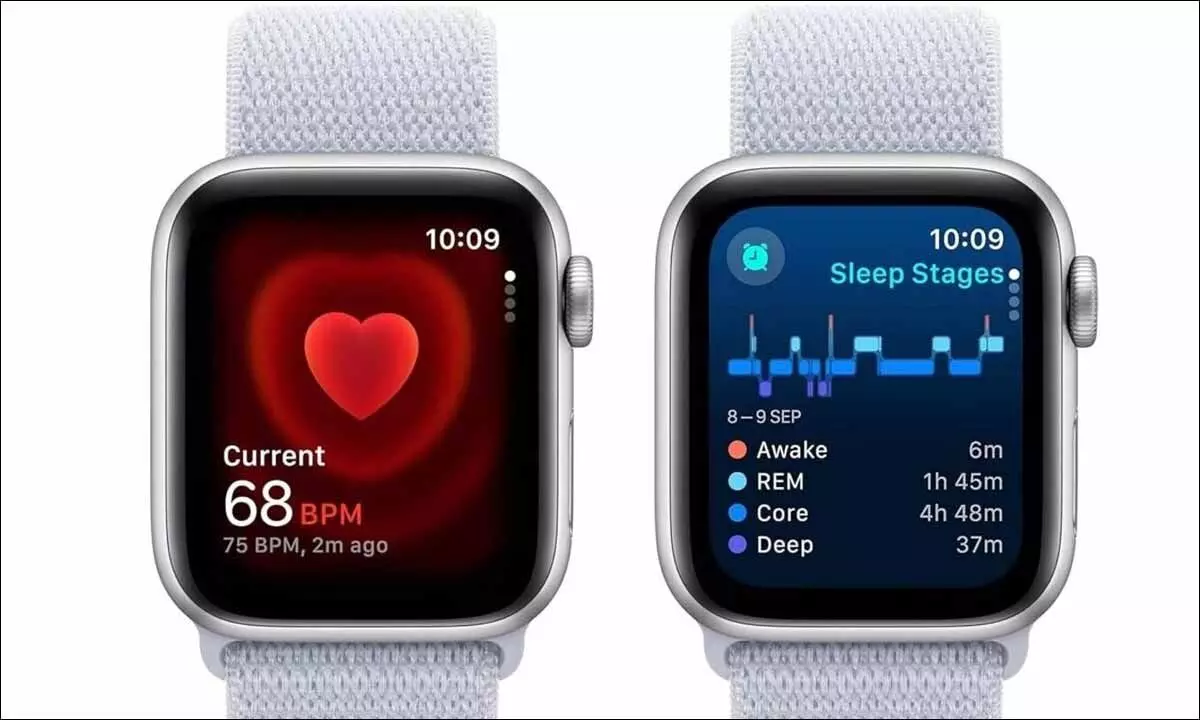
Apple restores blood oxygen tracking to select Apple Watch models in the US via software update, following a patent dispute workaround.
Apple is reactivating the blood oxygen monitoring feature on select Apple Watch models in the United States, months after a legal dispute forced its removal. The company is rolling out the capability again through its latest software updates — iOS 18.6.1 and watchOS 11.6.1 — but this time with a redesigned approach.
The blood oxygen measurement tool, originally launched in 2020, was a key part of Apple’s health tracking lineup. It gained widespread popularity during the COVID-19 pandemic, offering users an easy way to monitor their respiratory health. While Apple never marketed it as a medical-grade diagnostic tool, it became a favorite among fitness enthusiasts and those keeping tabs on breathing-related concerns.
However, in 2023, Apple found itself embroiled in a legal battle with California-based medical technology company Masimo, which accused Apple of infringing on its patented pulse oximetry technology. Masimo also claimed that Apple had hired away its employees to gain access to trade secrets. After years of litigation, the U.S. International Trade Commission (ITC) sided with Masimo, resulting in an import ban on certain Apple Watch models — including the Series 9 and Ultra 2 — equipped with the original blood oxygen technology.
From January 17, 2024, Apple was no longer allowed to sell these models in the U.S. with the feature enabled. Watches sold before that date, or outside the country, retained full functionality.
Now, a recent U.S. Customs ruling has given Apple a path forward. The company has tweaked how the feature works to comply with legal restrictions. Instead of processing blood oxygen readings directly on the watch, the updated system sends raw sensor data to the paired iPhone for processing. The results are then displayed in the Health app’s Respiratory section on the phone.
This clever workaround means that users in the U.S. with affected Apple Watch models — specifically Series 9, Series 10, and Ultra 2 — can once again access blood oxygen readings, provided they update their devices.
“Users with these models in the U.S. who currently do not have the Blood Oxygen feature will have access to the redesigned Blood Oxygen feature by updating their paired iPhone to iOS 18.6.1 and their Apple Watch to watchOS 11.6.1,” Apple said in a statement. The company confirmed there will be “no impact to Apple Watch units previously purchased that include the original Blood Oxygen feature, nor to Apple Watch units purchased outside of the U.S.”
Apple noted that this new version only applies to watches sold after the ITC ban took effect. To check eligibility, users can look at their watch’s serial number — models ending in “LW/A” are the ones impacted and eligible for the redesigned feature.
Alongside blood oxygen tracking, Apple’s health ecosystem also offers ECG monitoring, irregular heart rhythm alerts, sleep tracking, temperature sensing, and fall detection, cementing its role as a leader in wearable health technology.