Former Twitter CEO Parag Agrawal Returns with $30M AI Startup “Parallel” to Challenge GPT-5 in Web Research

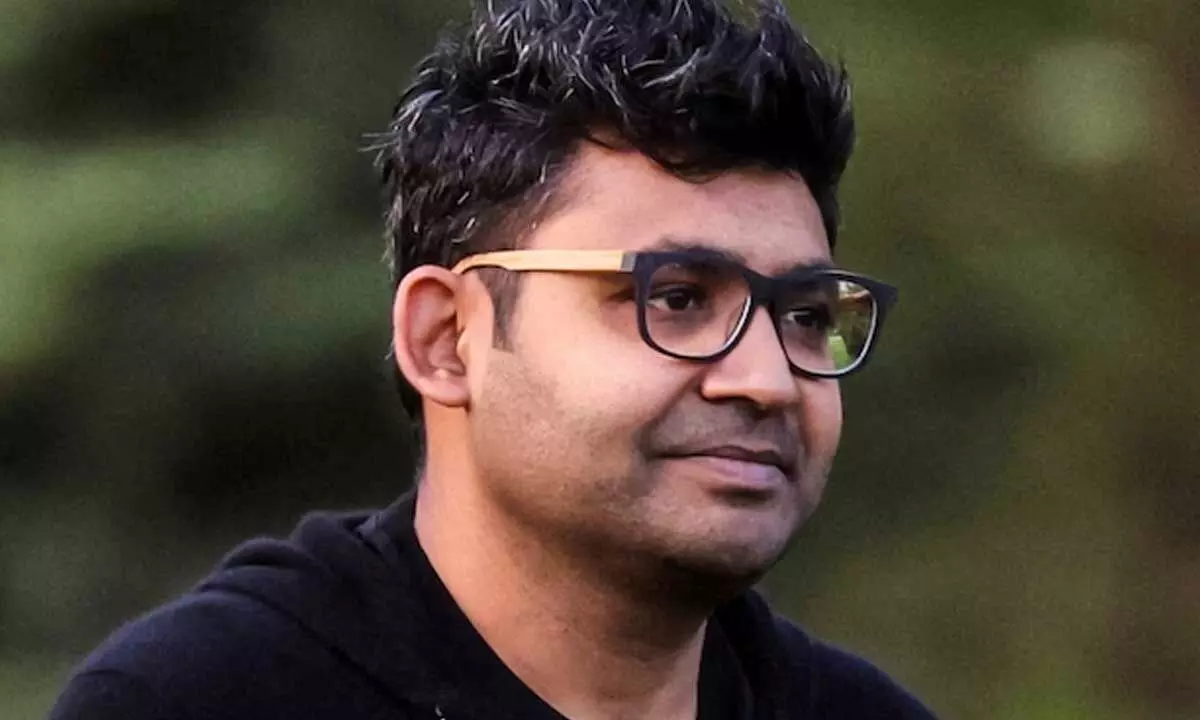
Former Twitter CEO Parag Agrawal launches Parallel, a $30M AI venture delivering real-time, verified web research faster than GPT-5.
Almost three years after being abruptly ousted from Twitter by Elon Musk, Parag Agrawal is making a high-profile comeback in Silicon Valley. This time, the former Twitter CEO is leading his own artificial intelligence venture — and it’s already drawing attention for outperforming some of the biggest names in the field.
Agrawal’s new company, Parallel Web Systems Inc., founded in 2023, operates out of Palo Alto with a 25-person team. Backed by major investors such as Khosla Ventures, First Round Capital, and Index Ventures, Parallel has raised $30 million in funding. According to the company’s blog post, its platform is already processing millions of research tasks daily for early adopters, including “some of the fastest-growing AI companies,” as Agrawal describes them.
At its core, Parallel offers agentic AI services that allow AI systems to pull real-time data directly from the public web. The platform doesn’t just retrieve information — it verifies, organizes, and even grades the confidence level of its responses. In essence, it gives AI applications a built-in browser with advanced intelligence, enabling more accurate and reliable results.
Parallel’s technology features eight distinct “research engines” tailored for different needs. The fastest engine delivers results in under a minute, while its most advanced, Ultra8x, can spend up to 30 minutes digging into highly detailed queries. The company claims Ultra8x has surpassed OpenAI’s GPT-5 in independent benchmarks like BrowseComp and DeepResearch Bench by over 10%, making it “the only AI system to outperform both humans and leading AI models like GPT-5 on the most rigorous benchmarks for deep web research.”
The potential applications are wide-ranging. AI coding assistants can use Parallel to pull live snippets from GitHub, retailers can track competitors’ product catalogs in real time, and market analysts can have customer reviews compiled into spreadsheets. Developers have access to three APIs, including a low-latency option optimized for chatbots.
Agrawal’s return to the tech scene comes after a turbulent 2022, when Musk completed his $44 billion acquisition of Twitter and immediately dismissed most of its top executives, including him. That move followed months of legal disputes over the takeover.
Rather than taking a break, Agrawal dived back into research and development. He explored ideas ranging from AI healthcare to data-driven automation, but ultimately zeroed in on what he saw as a critical gap in the AI landscape — giving AI agents the ability to reliably locate and interpret information from the internet.
Now, Parallel positions him back in the AI race, and perhaps indirectly, in competition with Musk. Agrawal sees the future of AI as one where multiple autonomous agents will work online simultaneously for individual users. “You’ll probably deploy 50 agents on your behalf to be on the internet,” he predicts. “And that’s going to happen soon, like next year,” he told Bloomberg.
With speed, accuracy, and reliability as its edge, Parallel could become a defining player in the next phase of AI innovation.