India Mandates SIM Binding for WhatsApp from March 1

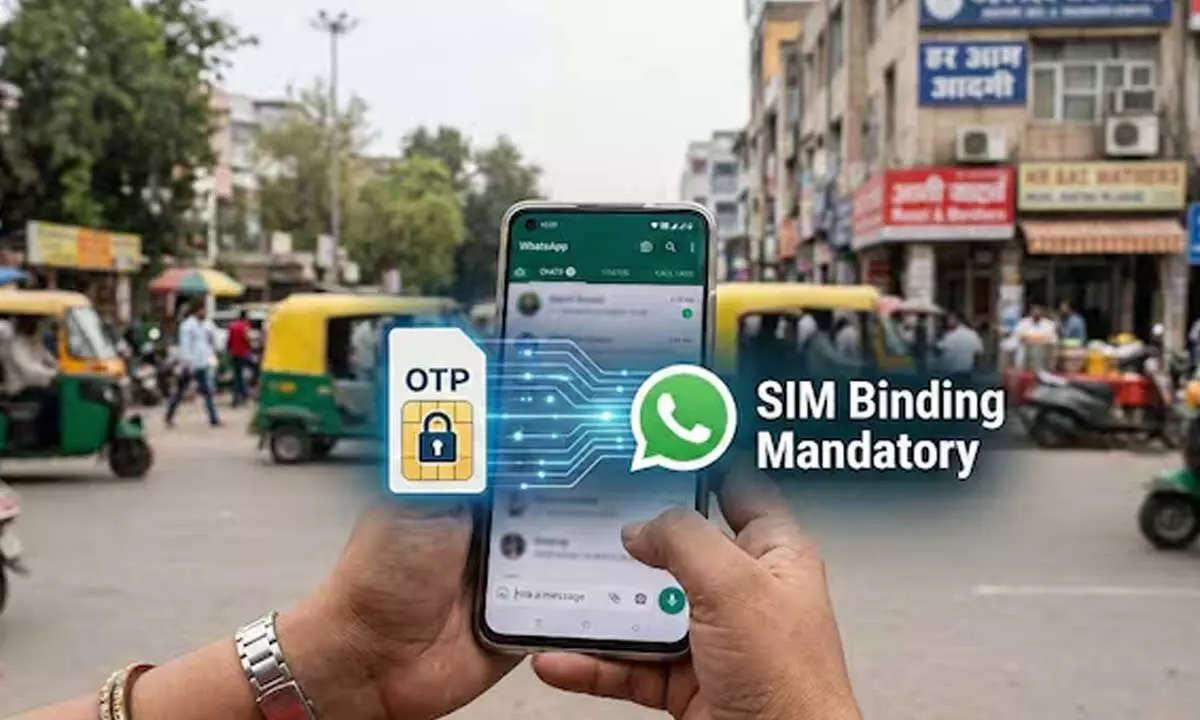
From March 1, Indian WhatsApp users must keep their accounts linked to an active physical SIM at all times.
Starting March 1, 2026, WhatsApp users across India will experience a major shift in how the messaging platform functions. The Department of Telecommunications (DoT), under the Telecom Cyber Security (TCS) Rules, 2024, has made SIM binding compulsory, meaning every WhatsApp account must remain linked to the physical SIM card inserted in the user’s primary phone.
The government has confirmed there will be no extension beyond the February 28 deadline. Officials have cited “national security” and the alarming increase in cyber fraud cases as key reasons behind the move.
What is SIM Binding?
Globally, WhatsApp operates on a “verify-once” system. Users enter their mobile number, receive a one-time password (OTP), and once verified, they can continue using the app even if the SIM card is removed. The account remains active across devices such as laptops, tablets, and secondary phones without requiring the SIM to stay physically inside the primary device.
However, under India’s new rule, this flexibility will end. WhatsApp accounts must now remain continuously tied to the original SIM card used for registration. Reports suggest the platform will check roughly every six hours to confirm that the registered SIM is physically present in the primary phone.
If the SIM is removed, replaced, or deactivated, WhatsApp will stop functioning until the original SIM is reinserted and verified again.
Why the Government is Enforcing It
According to the DoT, the move addresses a surge in sophisticated scams. In many cases, fraudsters reportedly authenticate an Indian number once and then operate WhatsApp remotely—sometimes from outside the country—making tracing and enforcement difficult.
By mandating SIM binding, authorities aim to ensure that every active account is linked to a KYC-verified SIM physically present in a device. Officials believe this will enhance traceability and make it harder for criminals to operate anonymously. Government data shows that cyber fraud losses in 2024 exceeded Rs 22,800 crore.
What Changes for Users
From March 1, the impact will be most visible in how users access WhatsApp across devices:
Continuous SIM Verification: WhatsApp is expected to verify every six hours whether the registered SIM remains inside the primary phone. This will end the long-term remote usage currently possible.
Six-Hour Logout on Web and Desktop: Users who rely on WhatsApp Web or desktop applications may face automatic logouts every six hours. Re-accessing these sessions will require the primary phone with the active SIM inserted.
Restrictions on Linked Devices: Features such as “Linked Devices” (also known as Companion Mode) will be limited. Devices without SIM cards—like Wi-Fi-only tablets or secondary phones—may require frequent re-authentication through the main device.
WhatsApp Begins Rolling Out Alerts
WhatsApp has reportedly started notifying select Indian users with a message stating: “Due to regulatory requirements in India, WhatsApp needs to check that your SIM card is in your phone.” Beta versions of the Android app are said to be testing the continuous verification system.
How Users Can Prepare
To avoid disruption, users should ensure their WhatsApp account matches the SIM currently inserted in their primary device. If they have recently switched SIM cards, they should confirm the registered number is accurate.
Updating the app to the latest version is essential. Those who depend heavily on WhatsApp Web or desktop versions should keep their primary phone nearby for re-authentication once the rule takes effect.
With just days remaining before implementation, millions of Indian users will soon adapt to a more tightly regulated digital communication environment.