UPI Hits Record 707 Million Daily Transactions, Marks a New Digital Milestone for India

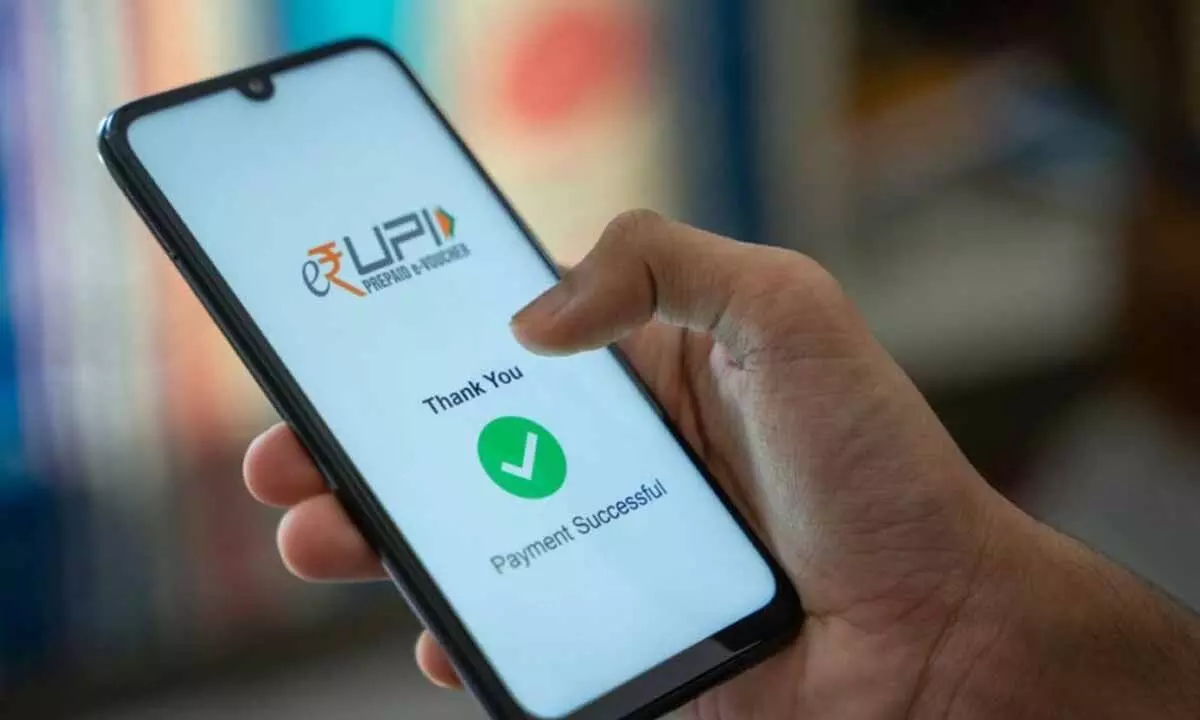
India’s UPI system set a new record with over 707 million transactions in a day, reinforcing its dominance in digital payments.
In a landmark moment for India’s digital economy, the Unified Payments Interface (UPI) surpassed 707 million transactions in a single day on August 2, 2025, according to data shared by the National Payments Corporation of India (NPCI). This sets a new all-time high and highlights the massive growth of digital transactions across the country.
July had already seen UPI average around 650 million transactions daily. Experts say the surge in early August can be attributed to routine financial activity such as rent payments, utility bills, and salary disbursements, which typically peak at the beginning of each month.
The achievement marks a doubling of UPI’s usage since 2023, when it was averaging 350 million transactions a day. That figure rose to 500 million by August 2024 and now comfortably crosses 700 million, putting India on track to meet the Government’s target of 1 billion daily UPI transactions by 2026.
But what exactly is UPI, and why is it so widely used?
Developed and maintained by NPCI, UPI (Unified Payments Interface) is a real-time mobile-based payment system that links multiple bank accounts into a single platform. It enables seamless peer-to-peer as well as merchant transactions, allowing users to transfer money using just a mobile number or a UPI ID — without needing to share sensitive banking details. Major apps like PhonePe, Google Pay, Paytm, BHIM, and even banking apps such as SBI Yono, ICICI iMobile, and HDFC PayZapp support UPI payments.
What makes this milestone more significant is the growing contribution of merchant payments, which now make up approximately 62% of UPI transactions. This indicates that UPI has moved far beyond personal payments and is now a crucial tool for businesses of all sizes — from local vendors to large retailers. In fact, nearly 85% of all digital payments in India are now processed through UPI, reflecting its deep integration into the financial habits of Indians.
The system's real-time settlement feature also gives it an edge over traditional card networks like Visa and Mastercard, which follow delayed settlement processes.
However, the rapid rise of UPI does raise sustainability concerns. At present, there is no Merchant Discount Rate (MDR) applied to UPI payments, which means that banks and payment apps earn very little from facilitating these transactions. Industry players and fintech companies have been urging the government to reinstate MDR for large-value merchant payments, a move also supported by the Reserve Bank of India (RBI) to ensure the long-term viability of the ecosystem.
As UPI continues to expand, its influence is gradually reducing the reliance on cash and debit cards, especially in urban areas. Although traditional banking remains essential for larger financial decisions like loans or investments, UPI is fast becoming the preferred choice for daily financial interactions. That said, the shift is less pronounced in rural areas, where cash usage remains strong among older populations.
India’s digital payment landscape is clearly undergoing a significant transformation — and UPI is leading the charge.