Adulterated products and misleading advertisements trigger consumer concern

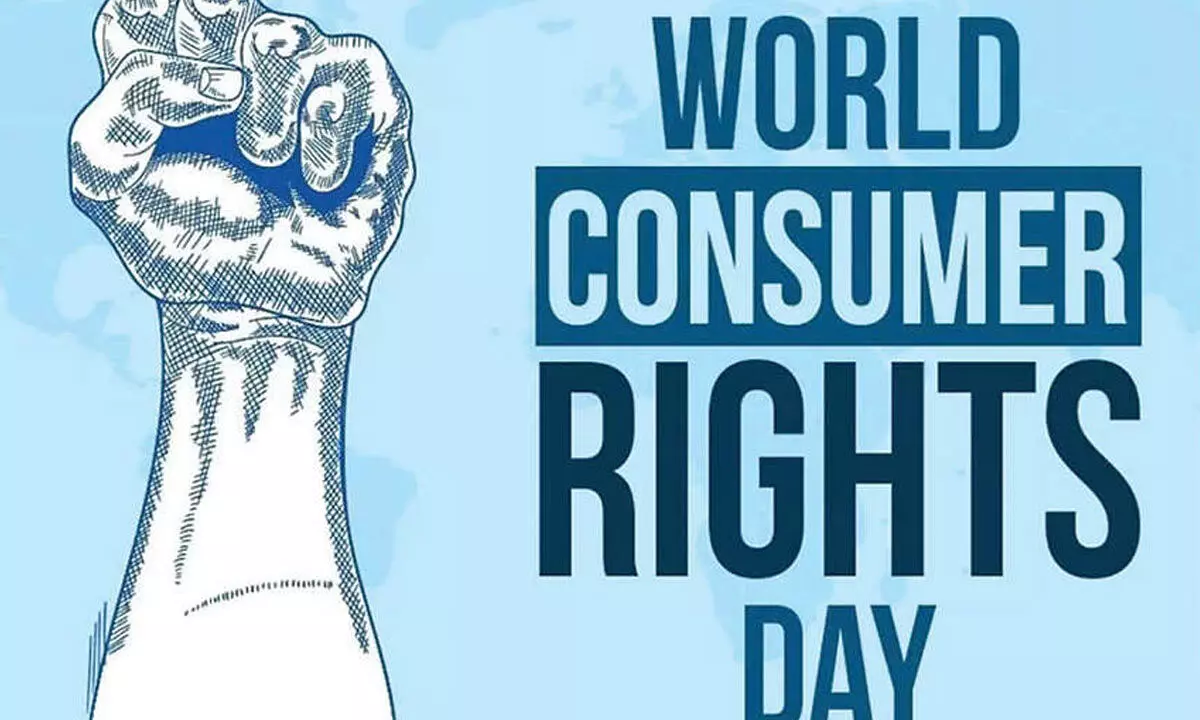
Concernsover violations of consumer rights and unfair trade practices were highlighted as experts and consumer advocates stressed the need for stronger enforcement of laws and greater public awareness to ensure a fair and safe marketplace. Speakers and observers noted that protecting consumers was essential for maintaining public health, economic fairness and trust in the market.
Consumer rights referred to the legal protections granted to individuals who purchase goods or services. These rights ensured that consumers received safe products, correct information, fair prices and access to grievance redressal mechanisms when problems occurred. The commonly recognised rights included the right to safety, the right to be informed, the right to choose, the right to be heard, the right to seek redressal and the right to consumer education.
Despite the existence of laws and regulatory bodies, various forms of consumer exploitation were reported across sectors. Cases of adulterated food, counterfeit medicines, misleading advertisements, inaccurate weighing of goods and defective products continued to affect consumers. Such violations not only resulted in financial losses but also posed serious risks to public health and safety.
Observers said the sale of adulterated food and contaminated drinking water remained one of the most alarming issues, as these directly affected the well-being of the public. Similarly, fake agricultural inputs, substandard electrical appliances and counterfeit medicines had also caused significant damage to consumers in many parts of the country. Misleading advertisements were another major concern, where companies exaggerated product claims to attract buyers.
Authorities emphasised that the legal framework in India had been strengthened with the enactment of the Consumer Protection Act, 2019, which replaced the earlier 1986 legislation. The law introduced stronger mechanisms to safeguard consumer interests and established the Central Consumer Protection Authority to regulate matters relating to unfair trade practices, misleading advertisements and violations of consumer rights.
Under the Act, the authority had powers to investigate violations, order the recall of unsafe goods, stop misleading advertisements and impose penalties on companies or individuals involved in unfair trade practices. In certain cases, penalties could reach up to Rs 10 lakh for misleading advertisements and higher for repeated offences.
The legislation also strengthened the consumer dispute redressal mechanism through a three-tier system consisting of district, state and national consumer commissions, allowing individuals to file complaints and seek compensation for defective goods or deficient services. These bodies provided a legal platform where consumers could challenge unfair practices and obtain justice.
Officials said government departments such as food safety authorities, civil supplies departments and market regulatory agencies were responsible for monitoring product quality, conducting inspections and taking action against violators. Regular raids against adulterated food units and action against counterfeit goods were part of ongoing efforts to protect public interests.
At the same time, experts emphasised that consumer protection could not be achieved through government action alone. Citizens were urged to remain vigilant while purchasing goods and services by checking product labels, verifying expiry dates, demanding proper bills and reporting suspicious products to authorities.
Public participation was considered crucial in strengthening the consumer protection system. When consumers reported violations and approached consumer forums for justice, it helped discourage unfair business practices and ensured accountability in the marketplace.
Consumer awareness campaigns, educational programmes and community initiatives were also viewed as essential tools to empower people with knowledge about their rights and responsibilities as consumers.
Experts concluded that building a healthy and responsible society required cooperation between government authorities, ethical businesses and informed citizens.
Strong law enforcement, responsible corporate behaviour and active public participation were described as the key pillars for ensuring fairness, transparency and safety in the market.