TG targets $250b life sciences economy by 2030

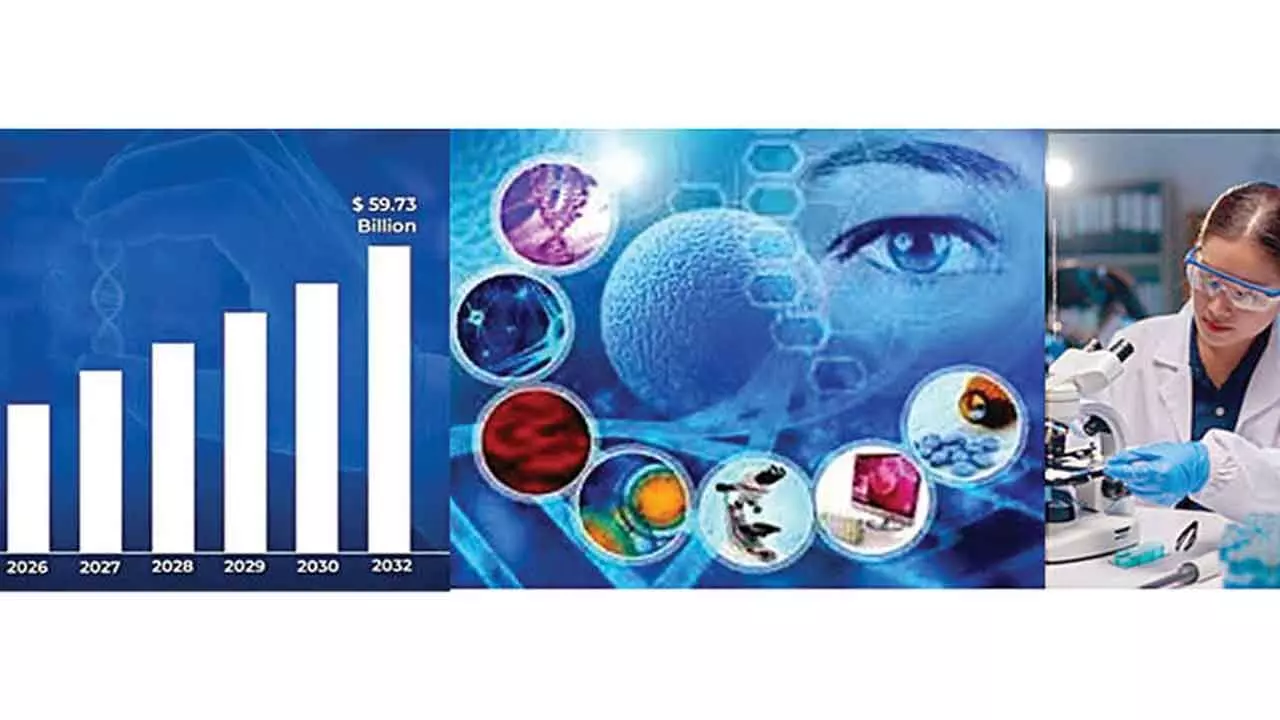
The Telangana government has set a target to build a US$250-billion life sciences economy by 2030. The Pharma City, being developed with advanced infrastructure and green practices, is a top priority for building the life sciences hub in the state.
Top officials said that the Telangana Next-Gen Life Sciences Policy 2026–2030, to be unveiled by Chief Minister A Revanth at the World Economic Forum 2026 in Davos, will mark a defining inflection point in the state’s growth journey. The policy consolidates Telangana’s long-standing manufacturing strengths, while accelerating its evolution into a globally competitive hub for frontier R&D.
Hyderabad is already home to the operations of several leading global pharmaceutical companies, including Eli Lilly, Sanofi, MSD, Novartis, Amgen, and BMS. Telangana is a leading life sciences hub in Asia, home to over 2,000 life sciences companies with a combined valuation of $80 billion.
The state contributes to nearly 40 per cent of India’s pharmaceutical production, hosting over 250 USFDA-approved manufacturing sites and accounts for one-third of global vaccine output, earning it the reputation of being the ‘Vaccine capital of the world’. Backed by world-class infrastructure, progressive policies, a cluster-based ecosystem, and a deep talent pool, Hyderabad has developed a globally competitive and innovation-driven life sciences sector with over 20 life sciences and medtech incubators.
“Building on this strong foundation, the Chief Minister envisioned a leadership role for Telangana on the global stage - actively shaping the future of healthcare and life sciences innovation,” officials said.
As part of this growth vision, the Telangana Global Life Sciences ecosystem serves as the flagship platform to connect global leaders, investors, researchers, and policymakers.
“It showcases the state’s innovation ecosystem, promotes high-value collaborations, and accelerates the journey toward Telangana’s ambition of building a $250-billion life sciences economy by 2030”.