




- Telangana CM Revanth Reddy says cabinet will review caste census data errors
- After cop stops ministers during Mysuru Dasara, Karnataka BJP accuses govt of hypocrisy
- Gwalior accident: Patwari questions safety arrangements, seeks action against those responsible
- Meghalaya govt spends Rs 4,000 crore annually on education: Conrad Sangma
- Jantar Mantar protest: Saurav Das, Ranka, Shinde seek more time to appear before police
- India, Poland agreed to deepen ties in defence, space and nuclear energy: PM Modi
- CM Shivakumar's Delhi visit amid sting operation row triggers speculation in Karnataka
- Raihan Vadra’s Protest Photos Pulled Down: Priyanka called is censorship
AP Local Body Polls: YSRCP-TDP Blame Game Intensifies
In Short
The YSRCP on Thursday alleged that senior party leaders were placed under house arrest and candidates were prevented from filing nominations for the upcoming MPTC and ZPTC polls, the TDP said, though the “Axe Party” (Goddali Party) had gone out of power, they had not given up their tendency to create violence.

Share :
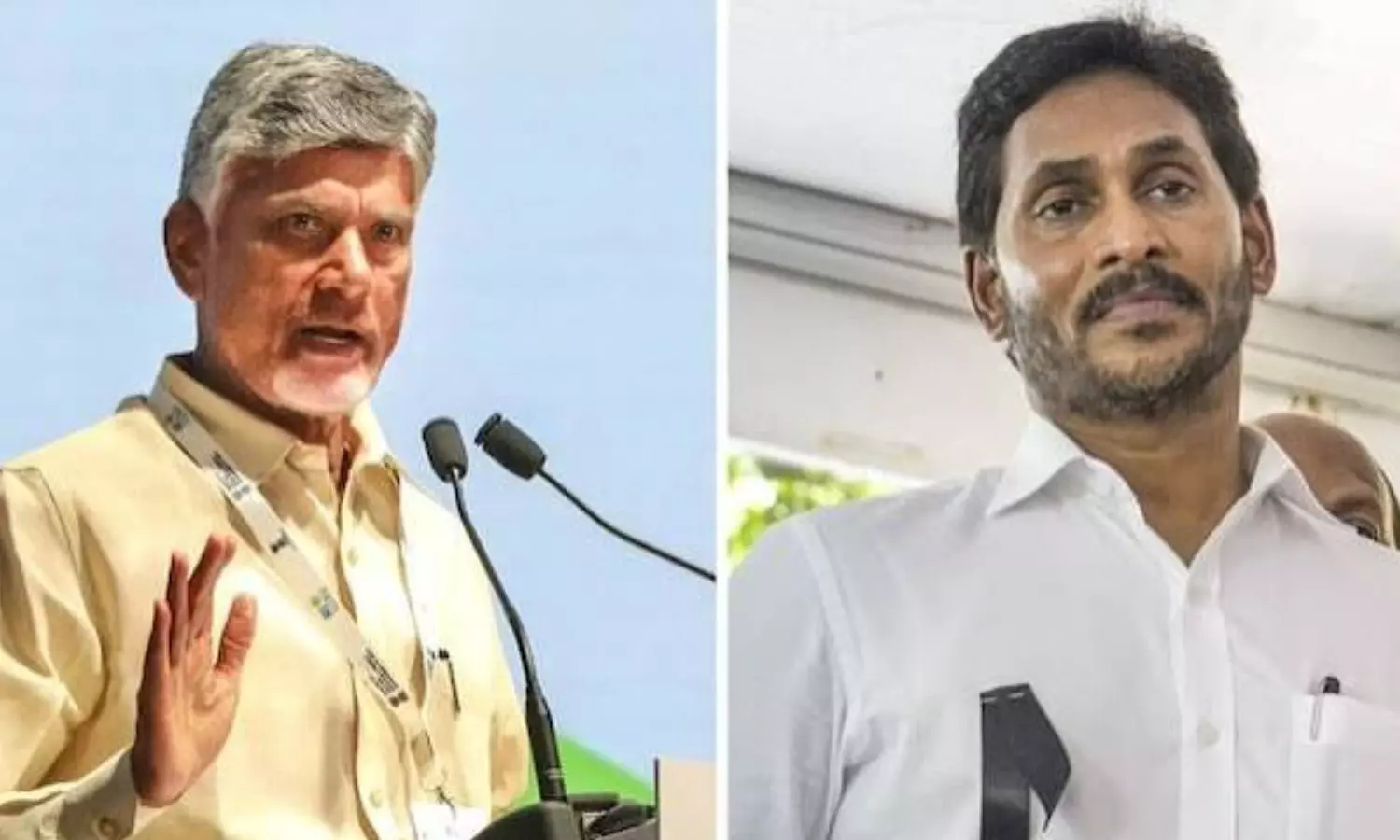
A war of words has broken out between the YSRCP and the TDP
A war of words has broken out between the YSRCP and the TDP over the issue of filing nominations for the local body elections in Andhra Pradesh.
The YSRCP on Thursday alleged that senior party leaders were placed under house arrest and candidates were prevented from filing nominations for the upcoming MPTC and ZPTC polls, the TDP said, though the “Axe Party” (Goddali Party) had gone out of power, they had not given up their tendency to create violence.
The TDP spokesperson Kommareddy Pattabhi said that the YSRCP alleges that their candidates were not being allowed to file nominations. But he said the data clearly indicates that in many places the number of nominations filed by the “Axe Party” were more than TDP nominations. The YSRCP which has realised that people were not with them was now attempting to disrupt the poll process, he added.
The YSRCP press release on the other hand alleged that several of their leaders were placed under house arrest and candidates are being prevented from filing nominations amid attacks and intimidation. In Kadapa district, MP YS Avinash Reddy was allegedly detained by police while attempting to assist party candidates with nomination filing, it said.
In Anantapur district, former MLA K Pedda Reddy was placed under house arrest, while former minister Sake Sailajanath was confined to his residence in Singanamala.
The police also restricted the movement of senior leaders in other districts to prevent them from accompanying candidates to nomination centres, it alleged.
Similarly, in Tirupati district, senior YSRCP leaders Chevireddy Bhaskar Reddy and Mohith Reddy were allegedly placed under house arrest in Chandragiri constituency, among others.
The YSRCP further alleged that at Nizampatnam in Bapatla district, TDP cadres allegedly tore nomination papers, damaged a vehicle and attacked opposition leaders, leaving three YSRCP leaders injured.
In Kurnool district, YSRCP alleged that heaps of stones were found dumped near the MPDO office at Veldurthi, raising concerns over possible attacks on candidates.
The party further alleged that candidates in Kadapa were forcibly taken into custody and transported towards Tirupati to prevent them from filing nominations within the stipulated deadline.
YSRCP also alleged irregularities in the municipal election process in Pithapuram. They charged the police of selectively restricting its leaders.
The TDP said that district Collectors and Superintendents of Police would submit reports to the State Election Commission on allegations that candidates were prevented from filing nominations in 19 places, and the facts would become clear after the reports were examined.
It said violence was reported in places such as Darsi, Punganur, Rayachoti, Kadapa and Pulivendula, and blamed the YSRCP leaders for it.
The TDP feels that this was a deliberate attempt by the YSRCP to delay the local body elections so that it would delay the release of 16th Finance Commission funds meant for development of village and gram panchayats.
Bandaru Dattatreya holds Alai Balai, says its aim is to unite all
Pawan–Naidu Talks Amid Fake Resignation Buzz, Local Poll Tensions
CJP Saurav Das and Ashutosh Ranka Summoned by Delhi Police
Traffic jam reports at Dilsukhnagar in Hyderabad after Dussehra holidays
Uday Samant demands SIT, forensic probe into audio clip released by Manoj Jarange Patil about Rs 500 cr 'payout'
Karnataka Dy CM writes to PM Modi, HM seeking Rs 20,585 crore drought relief from Centre


