Integrating Business and Social Impact: Dr. Huzaifa Khorakiwala's Work in Healthcare Development

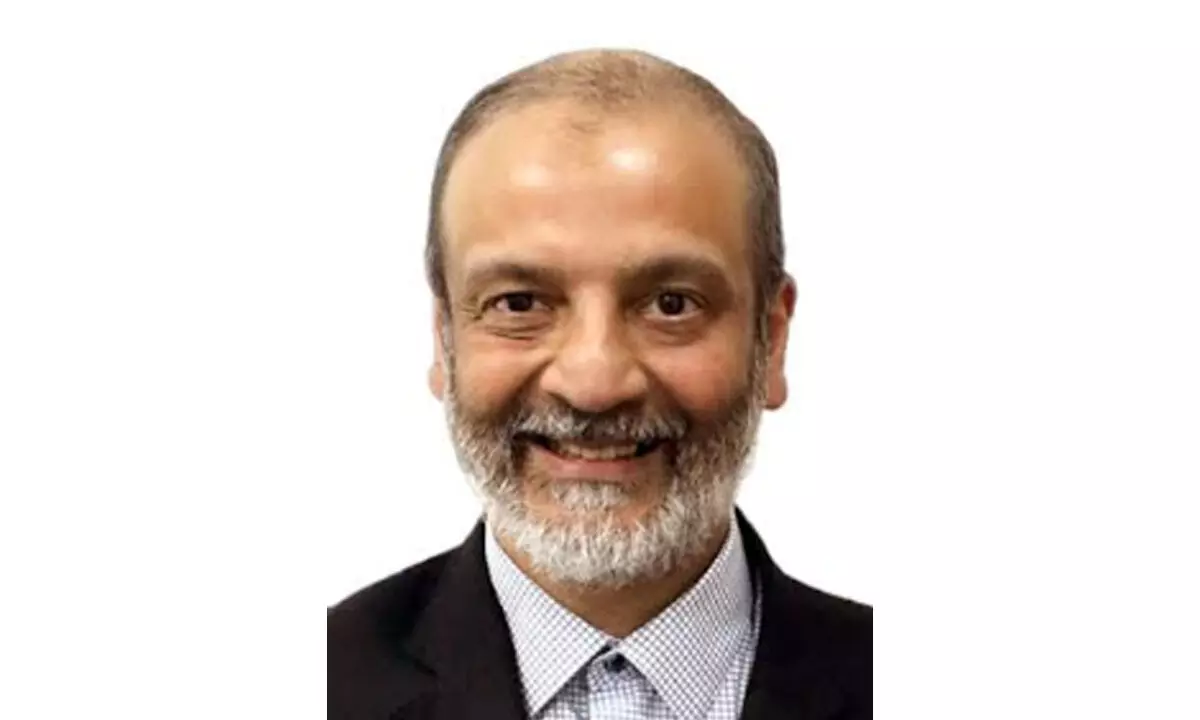
Dr. Huzaifa Khorakiwala discusses how businesses can drive meaningful social impact in healthcare, focusing on sustainability, collaboration, and technology-driven solutions. He shares insights on the Wockhardt Foundation’s initiatives and the evolving role of corporate social responsibility in India
In India’s evolving healthcare landscape, the intersection of business strategy and social impact is shaping new solutions to bridge the accessibility gap. One individual at the forefront of this movement is Dr. Huzaifa Khorakiwala, whose work through the Wockhardt Foundation and other ventures is redefining the role of private enterprises in public health.
Dr. Khorakiwala firmly believes that sustainable impact requires more than just charity. "Businesses have the resources, expertise, and operational efficiency that can be leveraged to create long-term social change," he explains. At Wockhardt Foundation, his goal has been to merge business efficiency with social welfare to address fundamental healthcare challenges in India.
One of the foundation’s key initiatives is its mobile medical units, which provide primary healthcare services directly to rural and underprivileged communities. "These units are a cost-effective way to reach people in remote areas who might otherwise go without care," he says. By working alongside government and NGO initiatives, these mobile units play a crucial role in expanding healthcare accessibility.
Since India implemented mandatory Corporate Social Responsibility (CSR) regulations in 2014, businesses have had to rethink their approach to social impact. "The introduction of CSR laws was a turning point. We’ve aligned our initiatives with corporate goals while ensuring that our healthcare programs remain impactful," Dr. Khorakiwala shares. He believes this balance allows companies to contribute meaningfully to public health while meeting regulatory requirements.
Beyond mobile healthcare, Dr. Khorakiwala is also driving digital health solutions through his companies, Mushtaree Technologies and Bahram Technologies. "Technology plays a crucial role in modern healthcare. Through these ventures, we’re integrating digital tools to enhance patient monitoring, diagnostics, and healthcare delivery," he notes. By incorporating digital solutions, his initiatives improve efficiency and accessibility, especially for underserved populations.
Recognizing the interconnectedness of healthcare with broader social factors, the Wockhardt Foundation has expanded its initiatives to include sanitation and education projects. "Health is deeply linked to social factors like hygiene, nutrition, and education. A sustainable healthcare model must also address these determinants to create lasting change," Dr. Khorakiwala emphasizes.
Scaling and sustaining healthcare initiatives remains a challenge, particularly when it comes to integrating private efforts with existing public health systems. "Private healthcare initiatives should supplement, not replace, government efforts. By working closely with policymakers and leveraging strategic partnerships, we ensure that our programs remain scalable and sustainable," he explains.
Looking ahead, Dr. Khorakiwala sees business-driven models playing an instrumental role in bridging healthcare gaps. "As we move forward, public-private partnerships will continue to shape the sector. Our work demonstrates that businesses can be powerful drivers of social impact when aligned with meaningful goals," he says.
For businesses looking to make a meaningful impact in healthcare, he offers clear advice: "Focus on sustainability and collaboration. Social impact should not be an afterthought—it should be integrated into business strategy from the start. Companies must work with governments, NGOs, and communities to create holistic solutions."
Through a blend of business acumen, technological innovation, and social commitment, Dr. Huzaifa Khorakiwala is pioneering a transformative model for healthcare development. His work not only contributes to India’s healthcare landscape but also serves as an inspiration for other developing nations striving to achieve sustainable health solutions.