What is Your Beef??
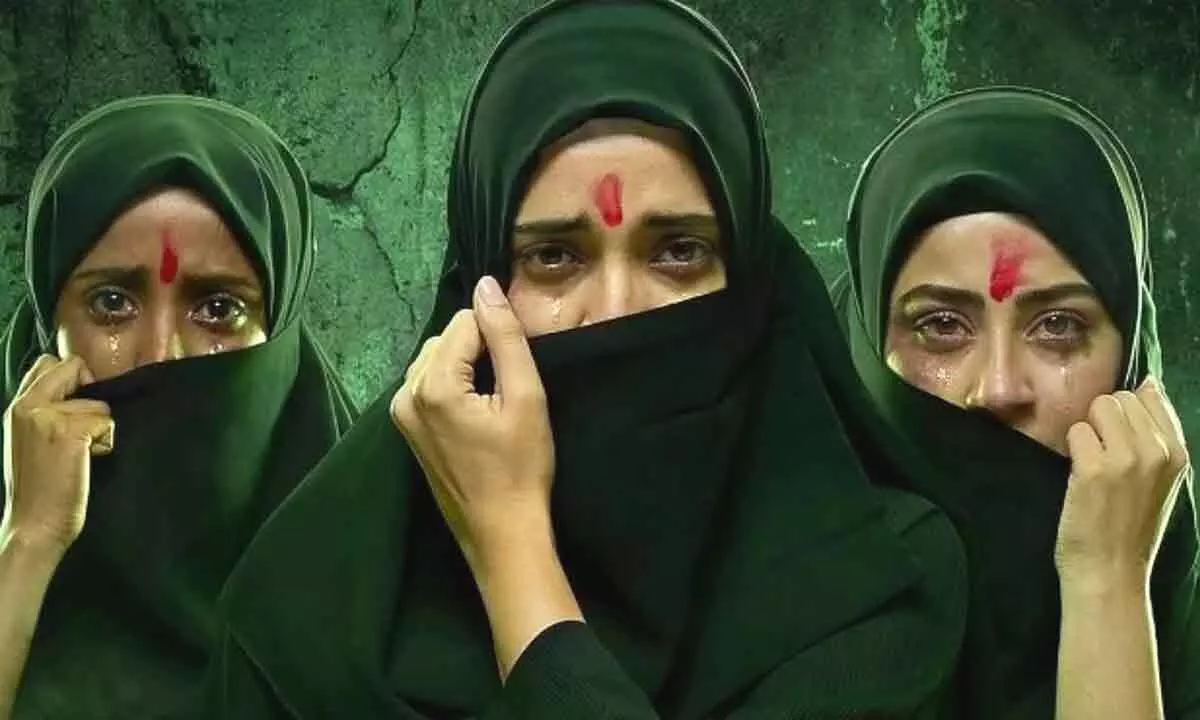
‘Kerala Story’ released in 2023 and claimed many things that were wrong with Kerala, including the theory of “Love Jihad.” The state largely looked away. The film is back in the news as the makers release a trailer for Part 2; this time they have targeted beef curry. And now Kerala refuses to take the misrepresentation lying low, crying foul at what it sees as an attempt to fracture the secular fabric of society.
‘Kerala Story 2’ and the politics and propaganda around it, along with the hilarious reels mocking the beef scene in the trailer, take me back to my recent visit to Kochi. The port city—with its art, architecture, layered history, and melting pot of cultures—leaves an indelible mark. The sea, the fish, and most importantly the warmth of its people stay with you.
Our quest for authentic Kerala parota with some help from an auto driver led us to a simple but bustling hotel in Mattancherry. The owner sat at the counter while we shared a table with two students waiting for their meal. First came pathimukham—the special Kerala root boiled water served hot. We were spoilt for choice: the menu included appam, stew, kadala curry, square parota, even Indian Chinese. The clientele was a mixed bag—foreign tourists, local businessmen, executives, college students, families. People of all classes and creeds sat together, united by love for food. And guess what was the most ordered dish—Beef Roast.
Beef is today in the news thanks to the recently released trailer of the film ‘The Kerala Story 2.’
In the trailer, a jihadi is shown force-feeding a girl beef curry. The scene appears conceptualized with little understanding of local culture or culinary habits, seemingly to shock and provoke. Instead, it led to widespread indignation, with Malayalees across religions proclaiming their love for beef curry. The internet is filled with memes and reels mocking what many see as a scene created in poor taste and poorer research.
The story of ‘The Kerala Story’ goes back to 2023 when Part 1 was released. It was widely accused of being propaganda, given its premise. The film tells the story of a Malayalee Hindu girl lured into conversion by her lover, married, and taken to a terrorist camp. It suggests that “Love Jihad” is widely prevalent in Kerala, quoting unverified numbers to substantiate the claim. In a technically weak film, several scenes present conspiracy theories and questionable information as fact.
Kerala did not agree with ‘The Kerala Story.’ A state that produces some of the finest films considered it too trivial to take seriously. “No one will watch it here,” was the general consensus—and they were not wrong. The film failed to make an impact in Kerala, though it provided WhatsApp fodder elsewhere.
Now the team has released the trailer for Part 2. This time, among other things, they have targeted Kerala’s most popular dish—beef curry. And that has clearly backfired.
“In Kerala, everyone has ‘Left’ blood regardless of religion or politics,” shared Father Augustine Vattoly, whom I met during the Kerala visit. He was referring to a shared social conscience that reflects in how people respond to issues. You see it in small but telling incidents—like the recent viral video of an elderly woman stopping a scooter rider from using the sidewalk. A responsible citizen taking a stand.
Augustine is a Catholic priest who supported Sister Ranit, who spoke against a Bishop and faced ostracism and legal battles. He convened “Save Our Sisters” (SOS) to stand by protesting nuns during the 2018 agitation. His experiences reflect Kerala’s courage in expressing dissent. Sister Ranit and a few nuns now survive through tailoring and stitching cotton bags, sustained by community support. That solidarity, he says, is heartening.
The ‘Me Too’ movement from late 2017 and 2018 was an eye-opener across India. But perhaps only in Kerala did it trigger deep introspection in the film industry, leading to the dissolution of AMMA (Association of Malayalam Movie Artists) after the Hema Committee report. The Women in Cinema Collective (WCC), formed after the abduction case involving actor Dileep, continues to grow stronger.
Actor Rima Kallingal, an active WCC member, said at a National Women in Media conference in Thiruvananthapuram that directors and writers sometimes reach out to check if their scripts represent women appropriately. Even occasional instances like these signal a shift in perspective.
The industry and society in the state remain male dominated. But when power is pitted against the powerless, a strong section speaks up for the wronged.
Popularly known as God’s Own Country, Kerala is in many ways People’s Own Country—fiercely protective of its collective identity. People are proud of their clean roads, greenery, heritage, culture, and cuisine—and yes, the beef roast and curry enjoyed with parota or puttu.
Today, the response is not just about a beef scene. It reflects awareness of attempts to fracture a secular fabric where shared history takes precedence over divisive narratives. Onam, for instance, is celebrated by all communities. King Mahabali is welcomed with fervour, followed by the Onam sadhya—vegetarian in tradition, though some homes add non-vegetarian variations.
A case has now been filed in a Kerala court against the release of the film. As we await judgment, one wonders if ‘The Kerala Story 2’ will succeed in polarizing Kerala.
The film is being strategically released ahead of elections. It is worth recalling that on more than one occasion BJP candidates in Kerala have promised better quality beef in their manifestos. Hilarious but true.
Looking back at municipal elections in Thiruvananthapuram, BJP did see some success. Whether beef had a role is debatable—but the irony is unmistakable.
After all, if anything could sway a Kerala voter, it might just be the promise of good quality beef.