Sri Lankan Parliament shows the way for India

As far as setting an illustrious example goes, it is a matchless move. With the salaries and perks of MPs and MLAs in India rising at regular intervals, with generous dollops of additional facilities to go along ending with a generous pension to enable them to subsist in their sunset years (base pension of Rs 31,000 per month), what has been undertaken by Sri Lanka deserves loud applause.
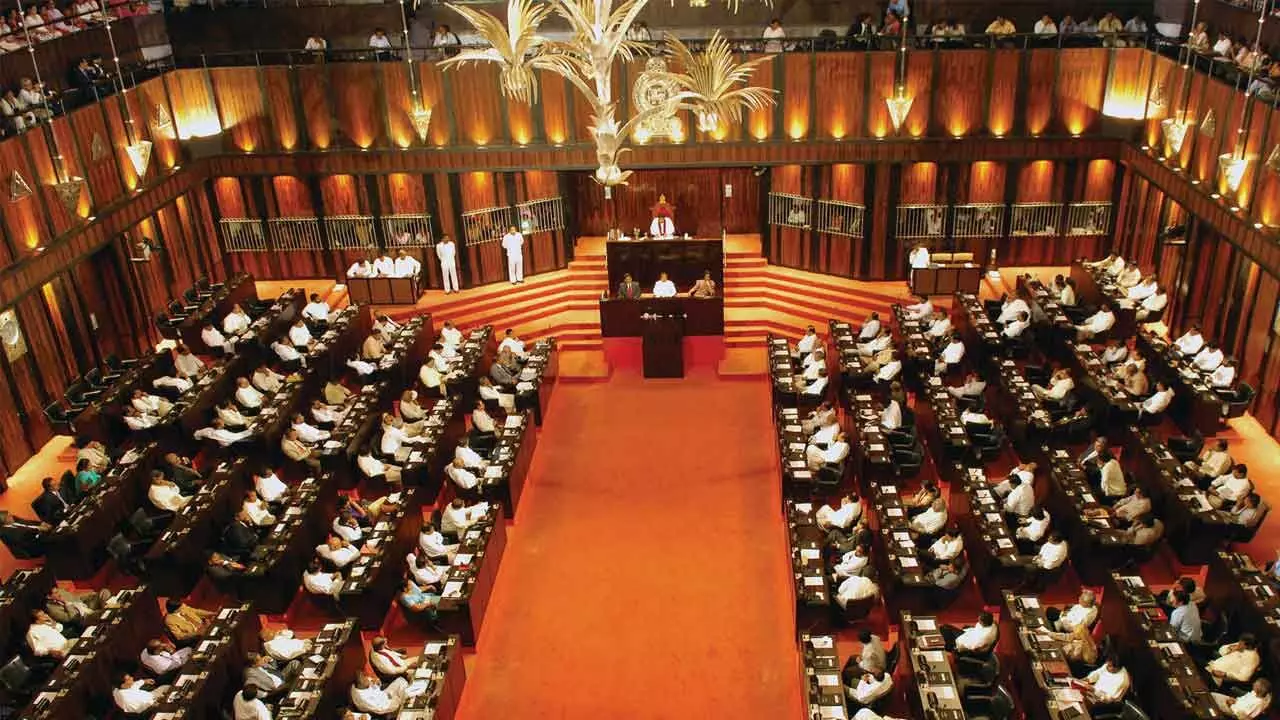
On February 6, the Supreme Court had determined that the Parliamentary Pensions (Repeal) Bill can be passed in Parliament with a simple majority. Its main aim was to repeal the Parliamentary Pensions Law No 1 of 1977, which had established a non-contributory lifetime pension to persons who have ceased to be members of parliament. The Sri Lankan government has gazetted the Parliamentary Pensions (Repeal) Act after it was passed by 154 votes in the 225-member House, with only two against. Ostensibly, this move is to fund other essential public services, given the not-so-secure financial status that the island-nation has been embroiled in for nearly five years now.
But beyond tokenism, this move has been highlighted as fulfilling a key campaign promise of President Anura Kumara Dissanayake, who assured to do away with ‘unjustified’ political perks. In Sri Lanka, a member of parliament was entitled to a pension after serving a five-year term. In contrast, just look at what is happening in our nation. As an additional service pension, for every year of service beyond the mandatory five-year term, an extra ₹2,500 per month is added to the base pension, including to all former members of either House of Parliament.
The salary and pension structure is subject to revision every five years based on the Cost Inflation Index. The perks for former MPs include free train travel in first-class. The recent revision was announced in March 2025, with the changes effective retroactively from April 1, 2023. According to PRS India data, historically, the average age of the Lok Sabha has risen from 46.5 years in the First Lok Sabha to over 55 in recent sessions, indicating a long-term shift toward older representatives.
The average age of Members of Parliament (MPs) in the 18th Lok Sabha (2024) is 56 years. This reflects an aging trend in Indian politics, with 52 per cent of MPs being over 55 years, while only 11 per cent are 40 years or younger. Even if an MP ceases to be one after a single five-year term, the individual is thus part of the gravy train, irrespective of age. Interestingly, with a population share of 11 per cent, senior citizens in India are among the worst treated ones.
In an impassioned speech in Parliament, Shiv Sena MP Sanjay Raut had said that the government should kill all the senior citizens after 65 years because the government is not ready to pay attention to these nation builders and queried if it is a crime to be one. The other side of the picture is that senior citizens in politics are given all the benefits possible to MLAs, MPs or ministers and they also get pension. ‘Senior citizens have the right to change the government, do not ignore them. They have a lifetime experience of changing the government. Do not consider them weak,” opined the mercurial MP. But will things change, is the moot question.