Black pottery finds global voice through ODOP, reviving a dying craft in UP

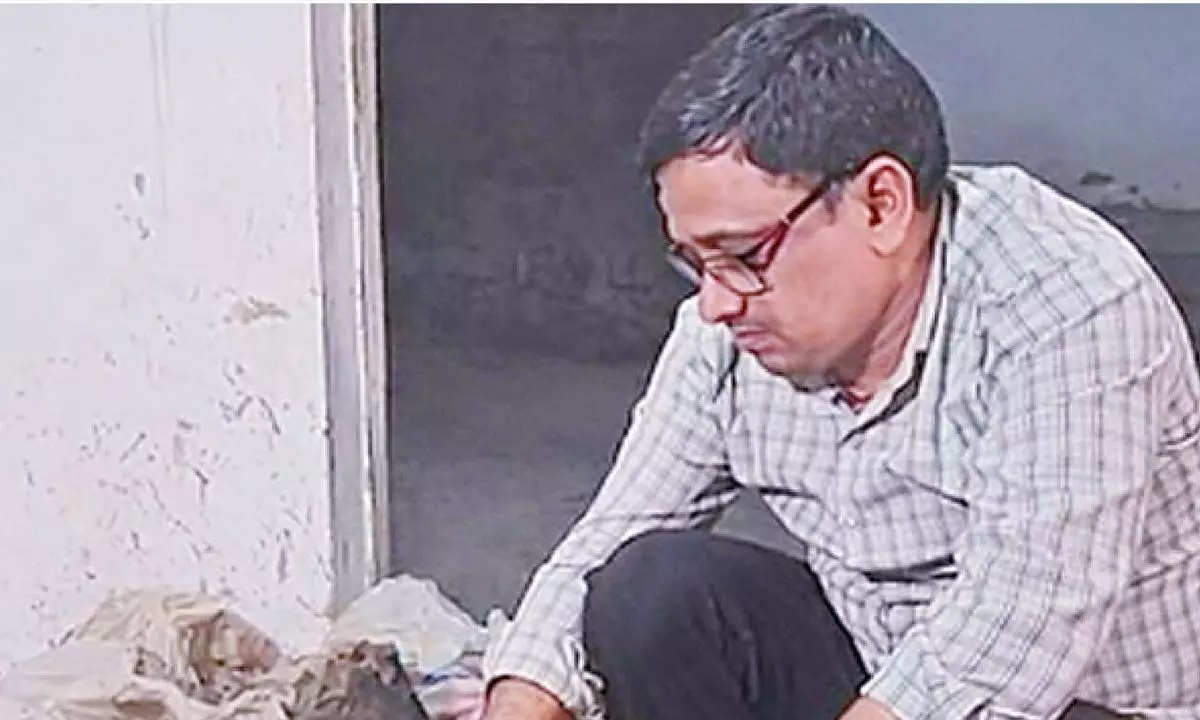
Under the self-employment and livelihood initiatives driven by the double-engine government at the Centre and in Uttar Pradesh, the small town of Nizamabad in Azamgarh district is carving a powerful identity of its own. Through the One District One Product (ODOP) initiative, the region’s traditional black pottery craft has transformed from a fading rural art form into a nationally and internationally recognised product.
Once on the brink of extinction, Nizamabad’s black pottery has seen a remarkable revival over the past decade. A major milestone came in 2015, when the craft received the Geographical Indication (GI) tag, formally recognising its heritage value. However, artisans say the real transformation began when black pottery was officially identified under the ODOP scheme, opening the doors to financial support, training, and structured market access. Sanjay Prajapati, Director of Black Pottery Nizamabad, an organisation engaged in producing clay idols, household products, and decorative items, credited both the Central and State governments for the craft’s revival.
“Young people had abandoned this art, and it was slowly disappearing. After ODOP recognition, bank loans became accessible, and support systems were created. Today, black pottery is known not only across India but also abroad. This revival has been possible because of sustained government efforts,” he said.
Local entrepreneur and artisan Sohit Kumar Prajapati also highlighted the tangible benefits of the scheme. According to him, artisans now receive loans at low interest rates with a 25 per cent subsidy, along with professional training programmes and modern toolkits.
“In the past, many youths migrated to cities for work. Now they are returning to this craft. Production has improved, quality has increased, and exports are steadily growing,” he noted.
Artisans also expressed pride in the global recognition the craft is receiving. Sohit recalled a symbolic moment when Narendra Modi presented black pottery as a diplomatic gift abroad.
“When our handmade black pottery was gifted internationally, it felt like a dream. It showed the world the value of our local craft,” he said.
Today, Nizamabad’s black pottery stands as a symbol of transformation — from a struggling rural tradition to a globally admired product. Artisans describe this journey as a reflection of “New India and New Uttar Pradesh,” where traditional industries are empowered to compete on global platforms. With structured policy support, financial inclusion, and skill development, a once-forgotten craft has found new life, dignity, and a global identity.