Breaking the Stigma: Transforming Youth Mental Health in India
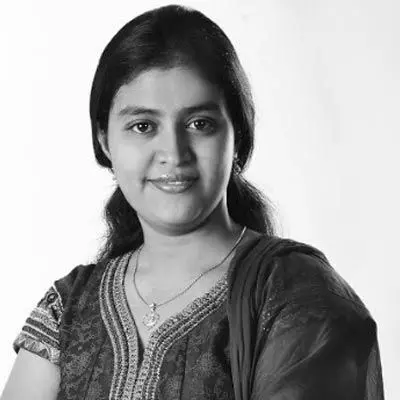
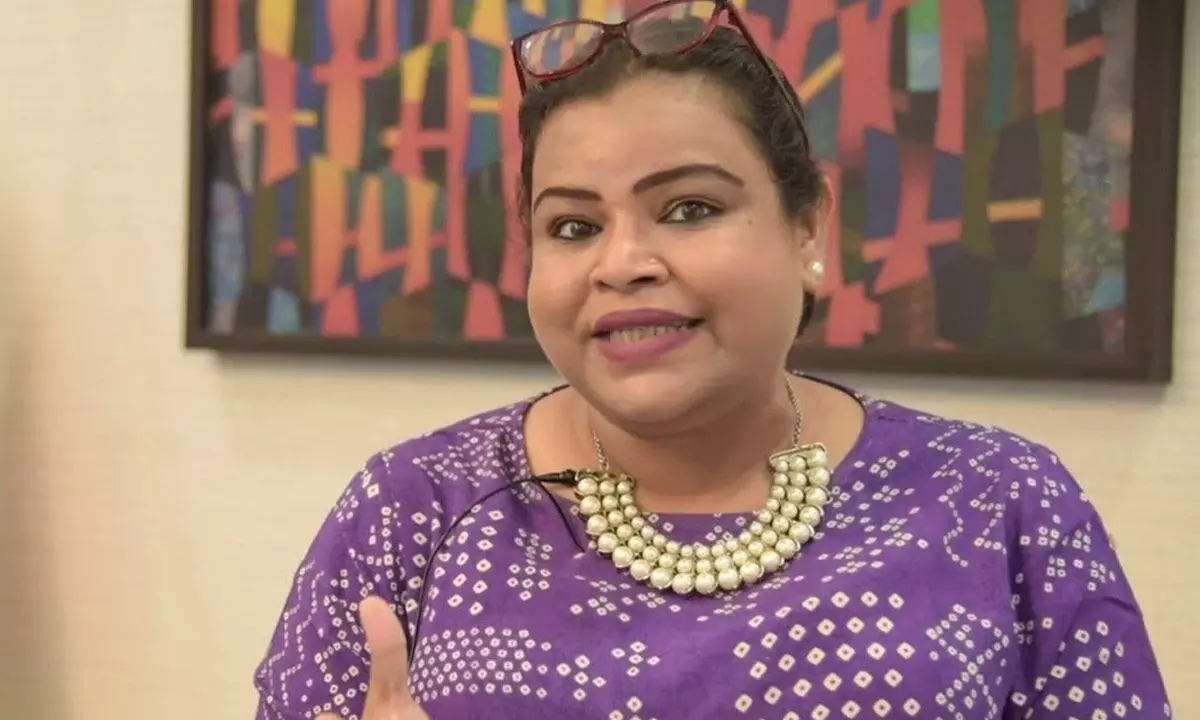
Parveen Shaikh, President of Mpower, is leading the charge to bridge the gap in youth mental health. With over 22 years of experience in counseling, training, and career coaching, she has been instrumental in reshaping how mental health is perceived and addressed across India. Through pioneering initiatives, nationwide advocacy, and the upcoming Mpowering Minds Summit 2025, Shaikh is working to ensure that mental well-being is prioritized, accessible, and free from stigma
Parveen Shaikh, President of Mpower, is leading the charge to bridge the gap in youth mental health. With over 22 years of experience in counselling, training, and career coaching, she has been instrumental in reshaping how mental health is perceived and addressed across India. Through pioneering initiatives, nationwide advocacy, and the upcoming Mpowering Minds Summit 2025, Shaikh is working to ensure that mental well-being is prioritised, accessible, and free from stigma
Parveen Shaikh, has been instrumental in expanding Mpower’s reach across 10 states. Her efforts have bridged the gap in mental health care, particularly among rural communities, government sectors, and security forces. Collaborating with UNICEF, USAID, and various government bodies, she has played a key role in reshaping the conversation around mental wellness, life skills, and career counselling in India.
Despite increasing awareness, youth mental health in India still lags behind physical health in terms of priority. According to the National Mental Health Survey (NMHS), the treatment gap stands at a staggering 84.5%, largely due to stigma, lack of awareness, and limited access to professional support. “Early intervention is key,” emphasises Shaikh. “We need to integrate mental health education into school curriculums and train teachers, parents, and peers as Mental Health First Aiders to recognise distress and provide immediate support.”
This is precisely why the upcoming Mpowering Minds Summit 2025 is a crucial initiative. The summit aims to bring together global experts in youth mental health to share insights, identify need gaps, and develop actionable solutions. “Our focus is on three pillars: creating acceptance, driving action, and leading through advocacy for policy changes,” says Shaikh. The event is set to convene policymakers, educators, and mental health advocates, pushing for much-needed systemic reforms.
Among the biggest barriers preventing young people from seeking help are stigma, lack of awareness, and limited access to quality and affordable services. Shaikh highlights the growing influence of technology and AI, which adds new challenges to youth mental resilience. To address these concerns, Mpower has launched various initiatives, including the training of families, teachers, and mentors through Mental Health First Aider programs. “Our Minds Matter program, India’s first structured mental health curriculum, fosters resilience and emotional well-being among students,” she explains. Additionally, the COPE Clubs initiative, currently active in 57 colleges, empowers students to identify distress, provide peer support, and encourage professional intervention when necessary.
Beyond individual therapy, Mpower has been influencing mental health policies at a national level. “The Mpowering Minds Summit 2025 is a stepping stone for policy change in youth mental health,” she notes. The organisation is advocating for the integration of mental health education into school curriculums, increased funding from government and private sectors, and the establishment of peer support networks. “We are pushing for every school—government and private—to have trained counsellors and psychologists,” Shaikh asserts, emphasising the importance of bridging the gap between policy discussions and on-ground implementation.
The upcoming Mpowering Minds Summit 2025 is expected to be a game-changer in youth mental health advocacy. A key highlight will be the launch of the Youth Mental Health Research Report, a pioneering study identifying key challenges linked to loneliness among young people. “The summit is not just about discussion—it is about real, tangible change,” says Shaikh. The event will advocate for mental health education in school curriculums, increased funding, and public-private partnerships to strengthen mental health infrastructure. “We are also launching a Global Mental Health Consortium, envisioned by Neerja Birla, to drive large-scale policy changes and create an on-ground impact.”
If there is one fundamental shift that Shaikh believes is needed to redefine youth mental health in India, it is the integration of mental health education into school curriculums and ensuring that every school has trained counsellors. “Mental health support must be accessible within educational institutions,” she insists. “By detecting early warning signs, normalising conversations, and providing timely intervention, we can create a healthier, more resilient future for India’s youth.”