Hormonal Skin Care for Women: Managing Skin Through Life’s Change

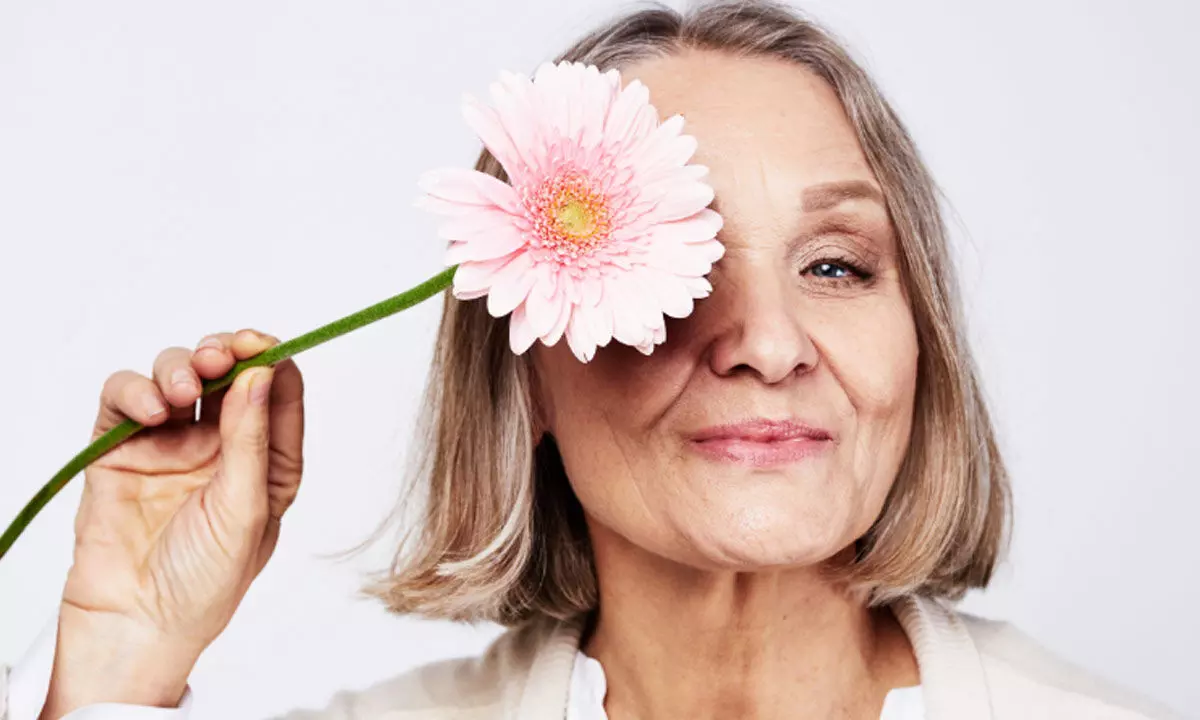
Hormonal changes can significantly impact a woman’s skin, leading to issues such as acne, dryness, and signs of aging. Understanding these changes and adopting the right skincare approach can help maintain healthy, glowing skin through life’s various stages
Ganesh KamathHormonal changes are a natural part of a woman’s life and can occur due to stress, pregnancy, postpartum, menopause, or other significant events. These shifts often affect the skin, leading to issues like acne, dryness, dullness, sensitivity, and early signs of ageing. While these changes are inevitable, understanding the connection between hormones and skin health can help women choose the right skincare solutions for their needs.
How Hormones Affect Skin
Key hormones like estrogen, progesterone, and cortisol play a major role in skin health. Here’s how different stages of life can impact your skin:
• Stressful Times: High cortisol levels can weaken the skin barrier, leading to sensitivity, redness, and breakouts. Stress also reduces collagen production, which is essential for skin elasticity.
• Pregnancy and Postpartum: Hormonal changes during pregnancy can bring glowing skin for some, while others may experience melasma or acne. Postpartum skin may feel drier or more sensitive due to hormonal fluctuations.
• Perimenopause and Menopause: Declining estrogen levels result in thinner, drier skin with reduced elasticity and visible wrinkles.
Skincare Solutions for Hormonal Changes
1. Gentle Cleansing
Avoid harsh cleansers with sulfates that strip the skin of natural oils. Instead, choose soothing ingredients like chamomile or aloe vera. For acne-prone skin, products like Neem & Tea Tree Cleanser can help fight acne-causing bacteria and unclog pores.
2. Hydration is Key
Hormonal changes often cause dehydration. Look for moisturisers with hyaluronic acid, glycerin, or ceramides to restore and lock in moisture.
3. Managing Acne Breakouts
Use noncomedogenic products with salicylic acid, tea tree oil, or niacinamide to reduce redness and inflammation.
4. Protecting Sensitive Skin
Strengthen your skin barrier with products containing ceramides, peptides, or panthenol to protect against environmental stressors.
5. Fighting Dryness and Aging
During menopause, opt for creams with antioxidants like vitamins C and E to fight free radicals. Peptides and retinoids can help improve elasticity and reduce fine lines. Products like Bakuchiol Face Serum, enriched with bakuchiol, vitamin E, and chamomile, is an excellent choice for firmness and even skin tone.
6. Treating Hyperpigmentation
For uneven skin tone or discoloration, use products with azelaic acid, vitamin C, or liquor ice extract.
7. Calming Inflammation
Soothing ingredients like green tea, calendula, or oatmeal can help reduce stress-induced skin inflammation.
Holistic Skin Health Tips
• Diet and Lifestyle: Include foods rich in omega-3, antioxidants, and vitamins. Stay hydrated, get enough sleep, and manage stress through meditation or yoga.
• Technology Support: Tools like LED light therapy or skin apps can help track hydration and texture, offering tailored skincare insights.
• Seek Professional Help: For persistent issues, consult dermatologists or endocrinologists for personalised advice, including hormone therapy.
Consistency is essential for healthy skin. Develop a routine that adapts to your changing needs and prioritise stress management for resilient, glowing skin. Remember, your skin reflects your overall health and well-being. With patience, care, and the right solutions, you can navigate hormonal changes while feeling confident and beautiful.
(The writer is a founder and CEO of EARHRAGA)