Prenatal & postnatal yoga: Supporting women’s health through every stage

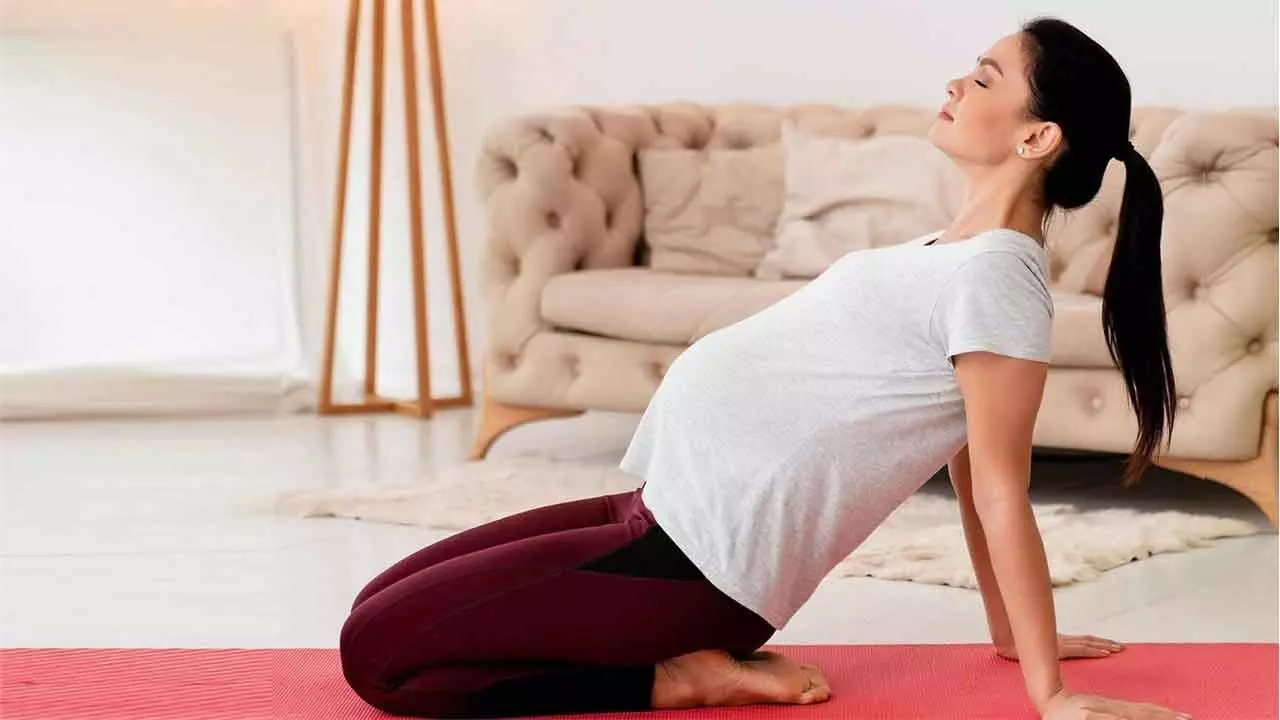
Pregnancy and motherhood bring profound changes to a woman’s body, mind, and emotions. Amidst this transformation, prenatal and postnatal yoga offers holistic support, combining movement, breath, and mindfulness. These practices empower women to navigate each stage with strength, calm, and connection
Pregnancy is a time of immense change—physically, emotionally, and mentally. From the moment a woman learns she’s expecting, her body begins to transform in remarkable ways. Amid the whirlwind of appointments, advice, and anticipation, prenatal and postnatal yoga offer something deeply grounding: a quiet space to connect with oneself and with life growing within. “Yoga during pregnancy is not merely a physical activity—it becomes a journey of inner connection and emotional strength,” says Dr. N Sapna Lulla, Lead Consultant - Obstetrics & Gynaecology, Aster CMI Hospital, Bangalore.
Prenatal yoga isn’t just about stretching or maintaining fitness; it’s about turning into the body’s innate wisdom. As the weeks progress and the baby grow, women often experience aches, fatigue, and a rollercoaster of hormones. Gentle yoga poses help ease common discomforts like lower back pain, swollen ankles, and tight hips. But perhaps more importantly, they foster a sense of calm and confidence.
Breathwork, a key element of prenatal yoga, teaches conscious breathing something so simple, yet so powerful. These breathing techniques become anchors during labor, helping women stay centered and reduce anxiety during contractions. The mindfulness cultivated on the mat often ripples into daily life, helping expectant mothers stay more present and less overwhelmed.
Equally important is the sense of community that prenatal yoga brings. In many classes, women find solidarity and sisterhood. There’s a silent understanding in a room full of round bellies and knowing smiles. These shared experiences offer emotional support, especially for those navigating the anxieties of a first-time pregnancy or the exhaustion of juggling pregnancy with parenting older children.
Then comes the big transition childbirth and the beginning of a new chapter that’s often overlooked: the postnatal period. Commonly referred to as the “fourth trimester,” this is when a woman’s body begins to heal while her world reorients around her newborn. Postnatal yoga helps support that journey.
The post-birth body is tender, often depleted, and recovering from the intensity of delivery, whether vaginal or cesarean. Yoga in the weeks and months that follow childbirth helps strengthen the pelvic floor, restore core stability, and alleviates postpartum tension, especially in the neck, shoulders, and wrists and areas strained by long hours of nursing, rocking, and holding a baby.
But healing goes beyond physical. Postnatal yoga also offers emotional release and mental clarity. Amidst sleepless nights and the pressure to “bounce back,” yoga encourages women to embrace this season as it is messy, beautiful, and deeply human. For many, that quiet hour on the mat becomes a lifeline, a reminder that caring for themselves is not selfish, but essential.
More than a fitness regime, prenatal and postnatal yoga cultivate resilience. They allow women to trust their bodies, honor their emotions, and stay connected to their inner strength during a time of deep vulnerability and transformation.
From the first flutter of movement in the womb to the first time a new mother finds a moment of stillness amidst the chaos, yoga is there. A gentle, grounding companion through the many stages of motherhood. In embracing yoga during these phases, women are not just nurturing their own well-being, but also creating a foundation of balance, calm, and presence that radiates into their growing families.
Dr. N Sapna Lulla, Lead
Consultant - Obstetrics & Gynaecology,
Aster CMI Hospital, Bangalore.