Bench’s pledge may restore trust after Bar’s cry for respect

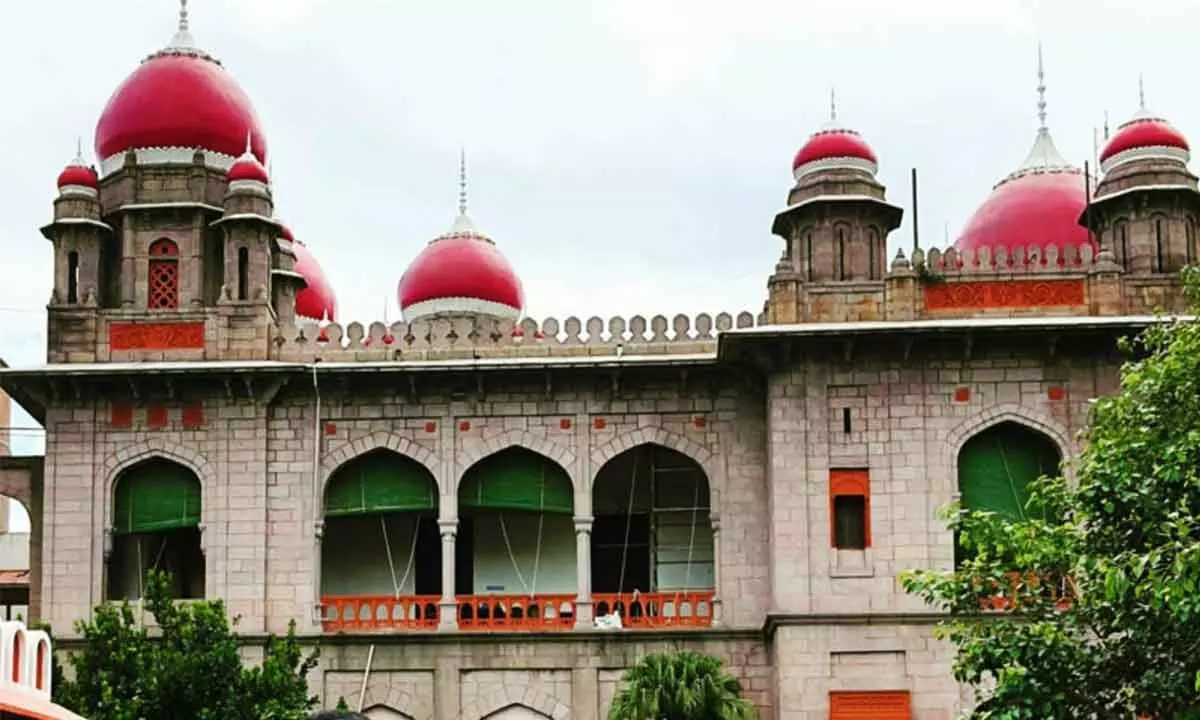
Telangana High Court
On a stifling June morning in Hyderabad, the Telangana High Court’s lively corridors hummed with tension. As a journalist-turned-advocate, my gown rests heavily on my shoulders, seasoned by decades of courtroom tales — triumphs, struggles, and now, a rising unease.
On June 26, the Telangana High Court Advocates’ Association (THCAA) held an extraordinary meeting, driven by grievances over a judge’s alleged discourteous conduct: sharp and dismissive remarks and punitive costs, like a Rs three lakh fine on a senior counsel for withdrawing an appeal. The Bar resolved to boycott the judge’s court from June 30, appeal to the Chief Justice of India (CJI) for the judge’s transfer, and urge the acting Chief Justice not to allocate judicial duties to the judge. Soon, the High Court collegium, led by the acting Chief Justice, engaged with THCAA representatives, advising restraint and pledging to counsel the judge to foster respect for advocates. As an advocate, I see this as a chance to turn tension into trust.
Here, I explore the Bar’s stand, the collegium’s response, and the path to a harmonious courtroom, guided by the Bangalore Principles of Judicial Conduct (2002), which emphasise courteous treatment of advocates.
A sting in the courtroom:
The courtroom is a crucible where advocates balance client hopes and ethical duties under intense pressure. Last month, I watched Priya (name changed), a young advocate, fumble through files to answer the judge’s query about page numbers. The judge cut her off sharply: “Have you not come prepared, Counsel? Post the matter for tomorrow.” Priya’s face flushed, the room fell silent. Over chai at the court canteen, she confided, “I was prepared, but that tone crushed me.” Her story echoes across the Bar.
Veteran advocate Rao spoke at the general body meeting of facing faced a similar blow: a Rs three lakh fine for withdrawing an appeal forced his client to abandon a case. Another female veteran advocate, voice heavy, noted that the judge’s frequent adjournments, citing unpreparedness, led clients to question her competence levels.
The Bangalore Principles mandate judges to treat advocates respectfully to uphold public trust. When dismissive remarks or excessive costs undermine this, as alleged by the THCAA, they hinder representation and access to justice under Article 39A. The Association’s meeting was a collective cry to restore dignity, amplified by claims that prior efforts to raise concerns went unheard. Having seen discourtesy chill advocacy, I share their frustration.
Resolutions with heart, risks in tow:
The THCAA’s meeting reflects the Supreme Court-recognised mandate to protect advocates. Their resolutions — boycotting the court, appealing for the judge’s transfer, and requesting against assigning duties to the judge — carry their anguish. At the meeting, a veteran human rights activist-turned-advocate said, “We fight for every silenced advocate, every trusting litigant.” His words rallied the room, underscoring a commitment to dignity.
Yet, these steps are delicate.
In the C. Ravichandran Iyer v. Justice A.M. Bhattacharjee (1995), the Supreme Court cautioned that boycotting courts or public demands risks disrupting justice and inviting contempt scrutiny, straining judicial harmony under Articles 214–231.
The Bar’s plan to boycott the judge’s court from June 30 risks delaying cases, leaving litigants in limbo. Appeals for transfer of the judge may seem like pressure on the judiciary, as noted by Iyer.
My journalism days taught me the power of bold moves, but confidential representations with evidence like court transcripts often resolve tensions without public strife.
The collegium’s engagement with the Bar, advising restraint and pledging to counsel the judge, offers hope. This aligns with the Bangalore Principles’ call for mutual respect. The THCAA can channel their passion into constructive dialogue.
Hurdles for ambitious demands:
The THCAA’s resolutions face several challenges:
Judicial transfer:Under Article 222, the CJI and Supreme Court Collegium can transfer judges, but only after a 1999 in-house inquiry, publicised in 2014. Without prior steps, the appeal lacks immediate traction.
Court participation:Boycotting the court risks delaying cases in already backlog-heavy courts.
Judicial assignments:A High Court Chief Justice may adjust portfolios, but withholding duties without inquiry raises fairness concerns.
The High Court collegium’s guidance to the Bar underscores these limits, favouring institutional remedies.
Voices of the Bench-CJI’s perspective: Guided by the Bangalore Principles and Iyer, the CJI likely empathises but sees public demands as disruptive, risking contempt. Evidence-based complaints through a proper channel could trigger a 1999 procedure review.
Acting Chief Justice’s view:While recognising advocates’ distress, the acting Chief Justice may view public actions of the Bar as disruptive. The collegium’s engagement with the Bar, advising restraint and pledging to counsel the judge, reflect mediation efforts to restore calm.
Both prioritize dialogue, balancing dignity with judicial processes.
Ethics and justice at stake-Professional ethics:The Bar Council of India Rules bind advocates to decorum, and limiting participation risks disruption. Yet, the THCAA’s actions, sparked by Priya’s humiliation and Rao’s frustration, reflect genuine concerns over discourtesy. The Bangalore Principles demand mutual respect from both sides.
Justice administration:Delaying cases worsens pendency, impacting litigants. I recall Gopal Rao, a litigant in his early fifties, waiting years for his divorce case, highlighting the human cost. The THCAA’s stand underscores the need for reforms like transparent cost guidelines, as in Sanjeev Kumar Jain v. Raghubir Saran Charitable Trust (2012).
A path forward: Bridging the divide-Dialogue:The THCAA should submit evidence — transcripts, cost orders — to the acting Chief Justice for an in-house review, embracing the collegium’s guidance to avoid escalation.
Judicial review:The collegium should assess the judge’s alleged discourteous conduct of sharp and dismissive remarks and punitive costs, ensuring accountability and respect as per the Bangalore Principles.
Sensitisation:The National Judicial Academy and Bar Council workshops can reinforce etiquette.
Cost guidelines:The High Court should enforce clear cost rules for fairness.
Bar-Bench forums:Regular forums, effective elsewhere, can build trust.
A shared sanctuary:The THCAA’s stand, born from Priya’s faltering moment and Rao’s defeated client, is a fight for dignity. While public actions risk disruption, the collegium’s engagement offers a constructive path, helping to knit the legal community together.
By embracing dialogue and institutional remedies, the THCAA can uphold advocates’ dignity, fostering a courtroom where fairness and respect prevail, aligned with the Bangalore Principles. As I walk these halls, I hold hope that tension will transform into trust, preserving the courtroom as a sanctuary of justice.
(The author is former Senior Editor, The Economic Times, and currently practising as an Advocate at the Telangana High Court)