In-person dating makes a comeback; Gen Z struggles

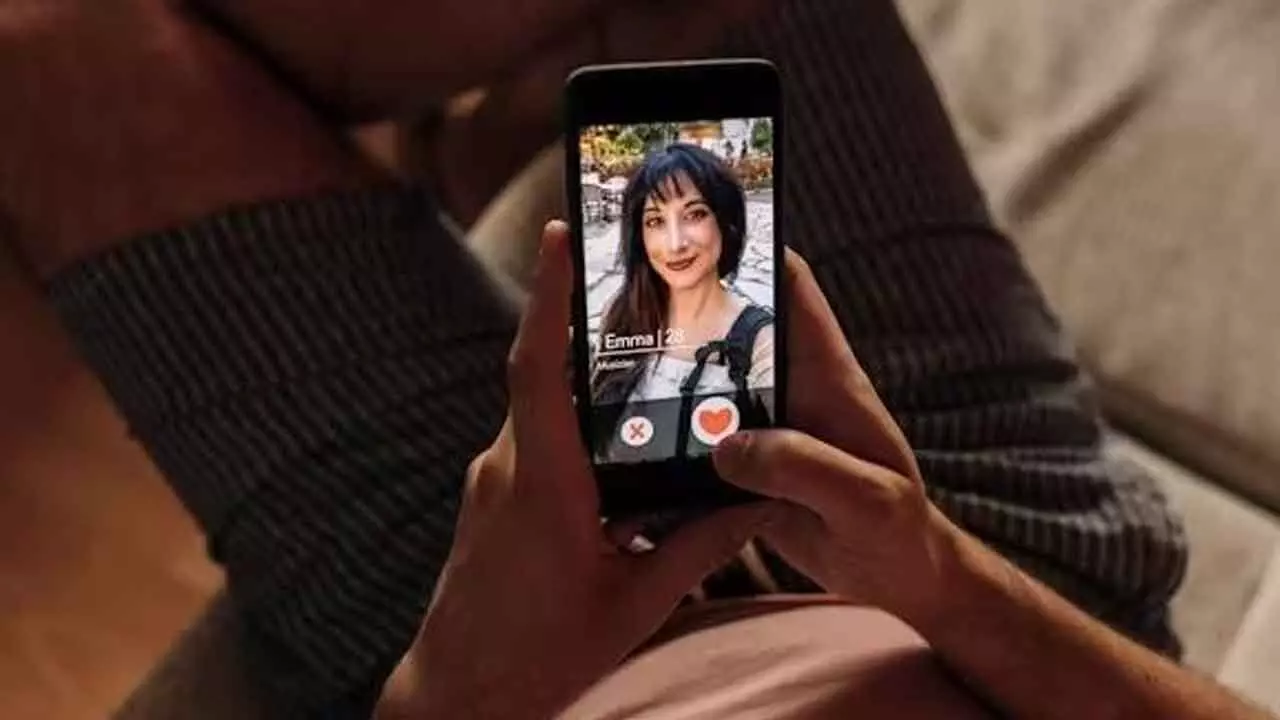
The hyper-digitised environment many Gen Z are a part of can feel disingenuous over time, which makes connecting with someone at a park, bar or library refreshing and novel. Meet-cutes in physical places can also take frustrating app-based practices like catfishing out of the equation.
With plummeting subscriber numbers, rising costs and users who are sick of endless swiping, the dating app industry is in crisis. Recent layoffs at Bumble are raising questions about the future of dating apps and alternatives for people who want to find romance and connection offline instead. One of the most popular alternatives is a return to in-person dating activities like speed dating, running clubs and daytime raves.
For millennials and older generations, in-person dating is familiar territory, but if you’re part of Gen Z — often described as the “digital generation” — that isn’t necessarily the case.
This inter-generational divide was on display recently at Canada’s first sex tech conference, where I made a presentation on masculinity, dating apps and in-person alternatives to swiping. During the Q&A, a young woman chimed in with a comment that stopped me in my tracks: “Check your extrovert privilege,” she said. After a few moments of awkward silence, the discussion resumed with a new focus on how difficult it is for younger folks to date in-person.
Many of you are disillusioned with dating apps and lack the interpersonal experience some of us older generations take for granted. So where does that leave you?
Telling Gen Z to just “get out there” is not only culturally tone-deaf, but it could also contribute to rising levels of loneliness and feelings of not mattering that already affect many young people today.
In-person dating is trending:
If dating apps are starting to feel more like a chore than a chance at connection, you’re not alone. Some dating apps have joined the movement to support in-person dating. Interestingly, 38 per cent of Gen Z polled in a recent survey expressed a desire to have designated spaces for hookups and self-love at work.
Re-thinking dating:
The desire for in-person romance among Gen Z is beginning to shift the cultural needle, at least in the United States where a recent survey indicates that only 23 per cent of Gen Z adults met their partner through a dating app, social media or online community. So, if a lot of these young people are already dating in-person, why is it often spoken about as being hard or stressful?
In-person dating is hard:
Dating in-person can be challenging for several reasons. Key culprits include the fact that dating apps focus on performative and inauthentic forms of communication, the challenges of coming-of-age during the pandemic and the cultural shift away from relationships altogether.
These shifts have a cascading effect on younger generations and boys are described as being “lost” and less emotionally resilient. Some of the awkwardness around in-person dating might come down to what that young woman called “extrovert privilege.”
A recent study found that Gen Z are more shy than other generations but not for no reason. Growing up immersed in smartphone technology and social media means Gen Z have had fewer opportunities to develop interpersonal skills. In-person dating can be hard, but not because there’s something wrong with you or because there are fewer good catches out there.
Building confidence with in-person dating:
Here are seven tips from licensed counsellors for ways to build your in-person skills: -- Prepare for the event ahead of time when possible. -- Reframe how you view and feel about uncertainty — not as a threat, but as an opportunity for growth. -- Stay grounded in who you are. -- Practise social skills to gain confidence. -- Pay attention to your body language — to make sure you appear open and welcoming. -- Remind yourself you’re not the only one struggling with feeling confident. -- Consider seeking the help of a therapist if fear or anxiety is overwhelming. Reframing your vulnerability as being less about your ingrained tendencies and more an opportunity for you to reflect on who you are as a social being is one of the most powerful things you can do. Tools like reflexive vision boards or self-reflection exercises can help you explore your values, goals and identity in meaningful ways.
Building resilience is like building muscle: it needs to be exercised and challenged to grow into the resource we need it to be. With the right support and space to practice, you can build the kind of confidence and self-awareness that carries into every part of your life, not just dating.
(The writer is from Western University)