The importance of swimming and water safety

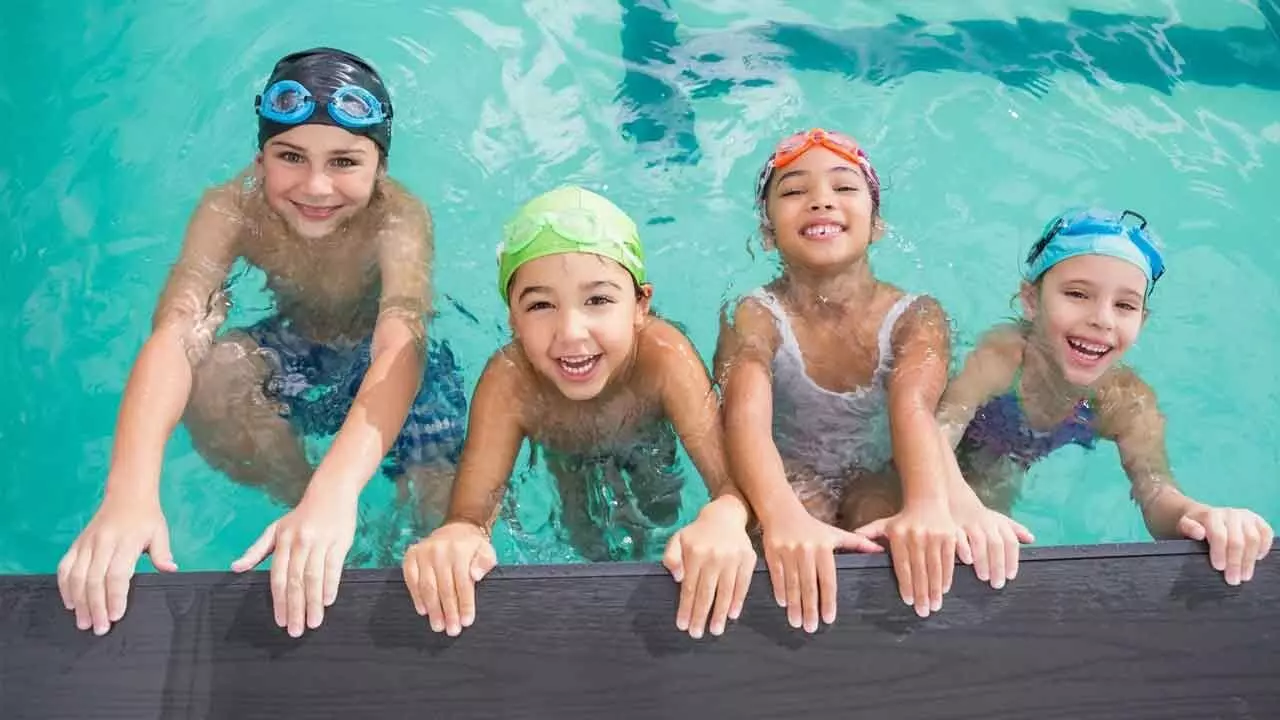
Swimming is more than just a fun activity—it’s a vital life skill that can save lives. Educating children about swimming and general water safety is crucial. By introducing children to swimming early on, parents and educators can instill lifelong safety habits and build confidence around water.
Learning to swim empowers children in many ways. Physically, it enhances coordination, strength, and endurance.
Mentally, it builds confidence and resilience. Socially, it encourages teamwork and discipline when practiced in group settings. More importantly, swimming equips children with the ability to protect themselves in unexpected water-related situations, be it at a pool, beach, or during floods.
Water safety goes beyond swimming proficiency. Children should be taught basic rules: never swim alone, always check water depth, avoid rough play near water, and be aware of currents and slippery surfaces. They should also learn how to identify and respond to emergency situations, such as recognising when someone is in distress and seeking adult help.
Parents and caregivers play a key role in this education. Enrolling children in certified swimming programs, supervising them during water activities, and having open conversations about water hazards can make all the difference. Schools, too, can contribute by incorporating water safety into physical education curriculums and organizing awareness workshops.
With climate change increasing the frequency of floods and urban areas seeing more recreational water spaces, the urgency to educate the younger generation is greater than ever. Swimming is not just a sport or summer hobby—it’s an essential skill for safety and survival.