Ettinahole dam threatens fertile ragi belt in Doddaballapur

Farmers fear submergence
Tension is mounting in Sasalu Hobli of Doddaballapur taluk, Karnataka’s top ragi-producing region, as farmers fear losing their fertile land and homes to the Ettinahole reservoir project. Villages like Lakkenahalli, Singehalli, Dasarapalya and Sriramanahalli face submergence once the dam is built to store drinking water for Kolar, Chikkaballapur and Bengaluru Rural districts.
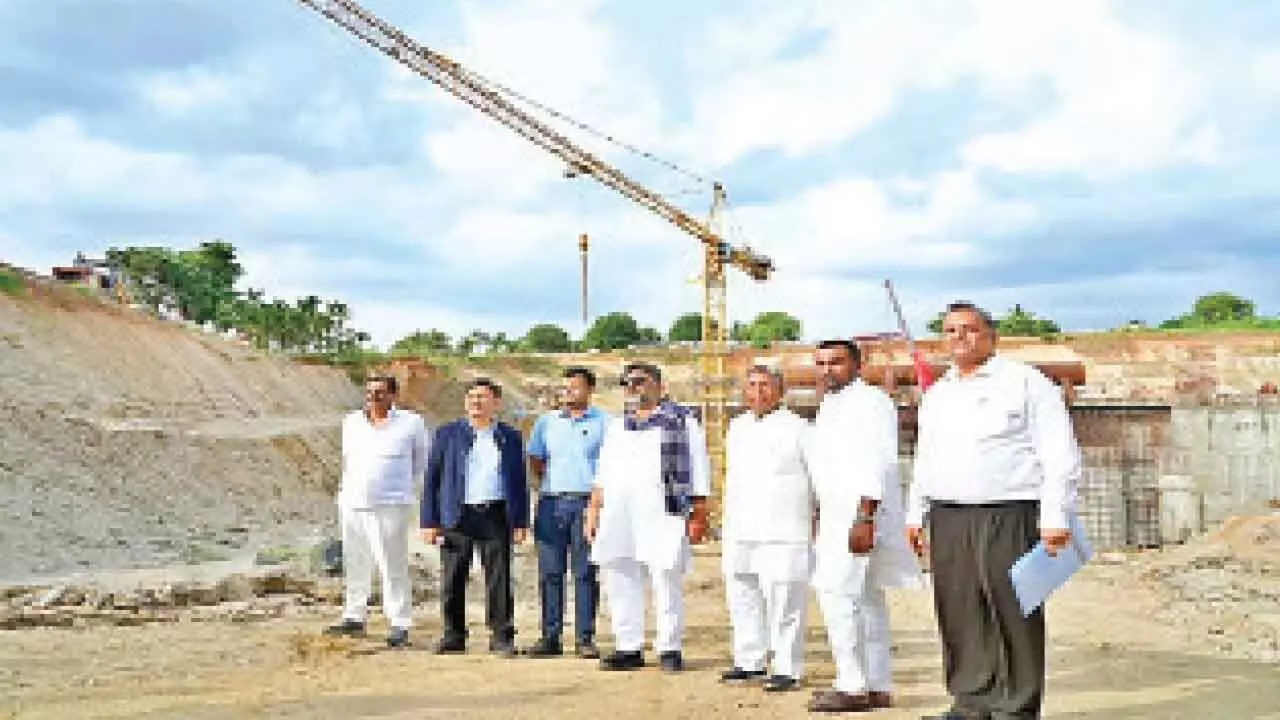
About 90% of the Ettinahole project is complete except for the reservoir construction. Deputy Chief Minister and Water Resources Minister D.K. Shivakumar recently inspected the identified site at Lakkenahalli and promised that farmers’ interests would be protected.
However, the announcement has sparked outrage. Local farmers say nearly 2,600 acres, including fertile ragi and arecanut plantations and long-settled homes, will go underwater. “We have lived here for generations and developed these barren hills into orchards. Now the government wants to snatch our livelihood and bury us alive,” said Timakka, Lakshamma and Muttarayappa, voicing their anguish.
Farmers argue that since water will be transported by pipeline, the reservoir could be built in barren land elsewhere. They also question how they will be compensated when many farm on government ‘gomala’ land and have applied for land titles under Forms 53 and 57.
Kempraj from Dasarapalya said, “We were never informed. The Deputy CM visited the site but didn’t let us meet him. Without hearing us out, they are taking our fertile land.” D.K. Shivakumar assured that no one would be forcibly evicted and the project would be completed with farmers’ consent. Yet, many remain unconvinced, alleging that large tracts of rich farmland, which produce over 1.77 lakh quintals of ragi annually and drive over ₹35 crore arecanut trade, are being sacrificed unnecessarily. Locals fear the reservoir will drown their future while Bengaluru and neighbouring districts benefit. Farmers have vowed not to part with their land, warning the government that they would rather die on their farms than see them submerged.