Brown Rice vs Quinoa: Which Grain Supports Better Blood Sugar Control?

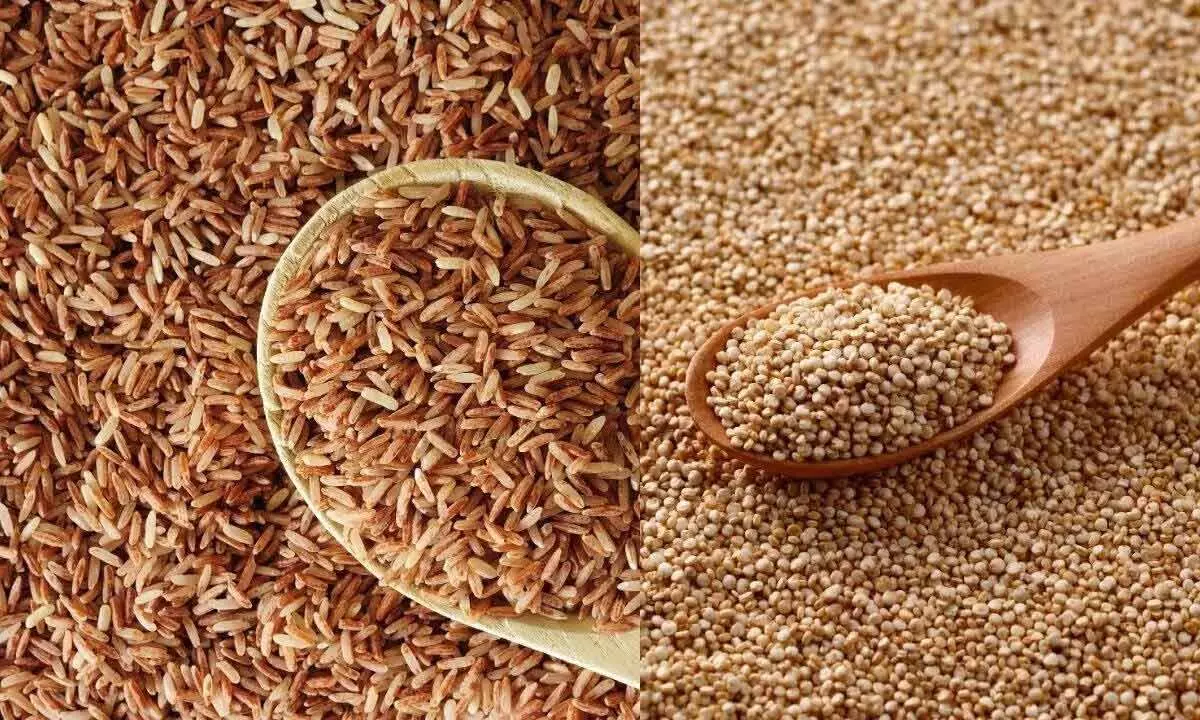
Quinoa edges ahead of brown rice in blood sugar control, thanks to its low glycaemic index, higher protein and fibre content.
Diabetes has become one of the most common chronic health conditions worldwide, affecting millions of people. According to the World Health Organization (WHO), nearly 14 percent of adults aged 18 years and older were living with diabetes in 2021, compared to just 7 percent in 1990. The disease was also responsible for 1.6 million deaths globally that year. While medicines play a key role in diabetes management, lifestyle changes—especially dietary choices—are equally important in keeping blood sugar levels under control.
Among the many food options available, whole grains play a significant role in regulating glucose levels. Two of the most talked-about choices are brown rice and quinoa. While both are considered healthier alternatives to refined grains, people with diabetes often wonder which one is better suited for blood sugar management.
Nutritional Value at a Glance
Brown Rice: This staple grain, popular in Indian households, is rich in magnesium, manganese, vitamin B, and antioxidants. It mainly provides carbohydrates with moderate fibre, making it nutritious but also relatively energy-dense.
Quinoa: Technically a seed, quinoa is gluten-free and offers a powerhouse of nutrition. It contains all nine essential amino acids, making it a complete protein source. Along with high-quality protein, it provides more fibre, iron, and healthy fats compared to brown rice, adding to its reputation as a “superfood.”
Glycaemic Index: The Key Differentiator
One of the most important factors for diabetics when choosing grains is the glycaemic index (GI), which measures how quickly foods raise blood sugar.
- Brown Rice: The GI of brown rice ranges from 50 to 68, placing it in the medium category. While it causes a slower glucose rise than white rice, larger portions may still trigger noticeable spikes.
- Quinoa: With a GI of 35 to 40, quinoa is classified as a low-GI food. It digests more slowly, helping to stabilise sugar levels and preventing sudden spikes, which makes it more suitable for people with diabetes.
Satiety and Weight Management
Beyond blood sugar, satiety plays a crucial role in managing diabetes and weight.
- Brown Rice: Provides a feeling of fullness but, being mainly carbohydrate-rich, may not sustain satiety for long.
- Quinoa: Its higher protein and fibre content keeps people full for longer periods, reducing the urge to overeat and supporting weight management.
Everyday Use and Digestibility
Brown Rice: Fits easily into Indian diets, commonly used in dal-chawal, pulao, or khichdi. However, overconsumption without portion control may cause bloating for some. Quinoa: Light, gluten-free, and easily digestible, quinoa can replace rice in most dishes, from curries to salads, and blends well in modern and traditional meals alike.
Verdict: Which Grain Works Best?
Both brown rice and quinoa are healthier options than white rice, but quinoa holds the advantage when it comes to diabetes control. Its low GI, higher protein, and richer fibre profile make it more effective in stabilising blood sugar.
That said, brown rice remains a good option in moderation, especially for those who prefer familiar flavours. Experts suggest combining different whole grains—such as quinoa, brown rice, millets, and oats—for the best overall results in diabetes management.