How chefs design gourmet handcrafted recipes that scale nationally

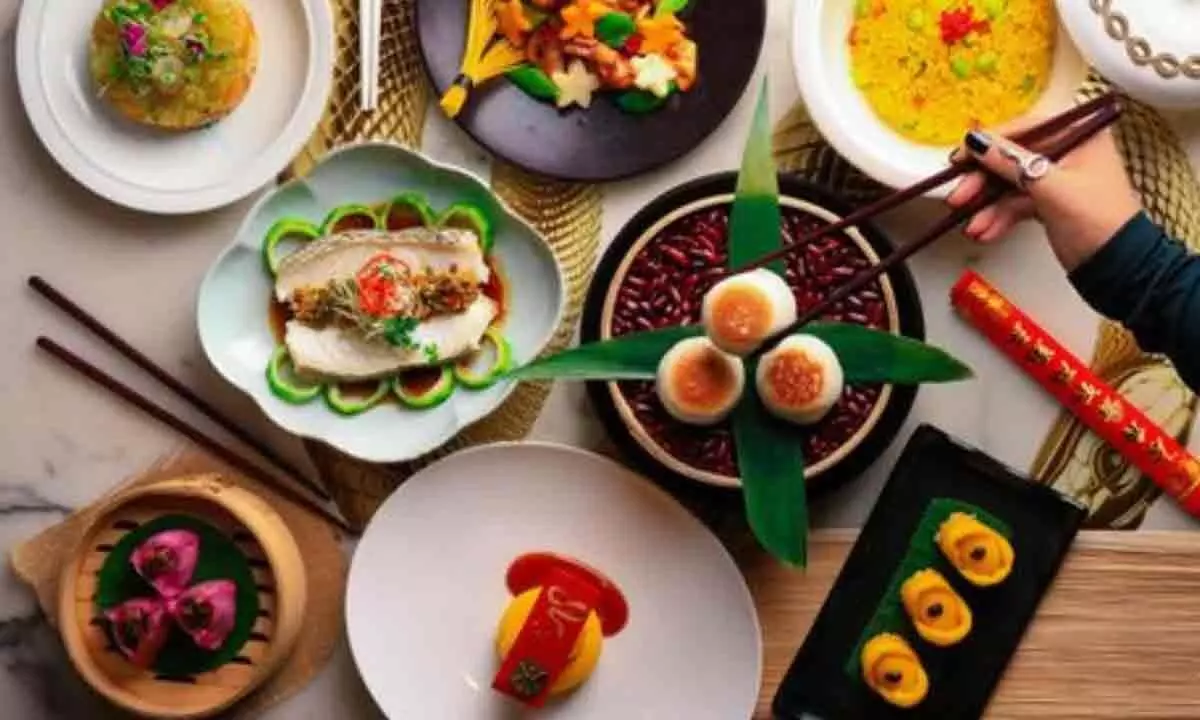
In the world of food, scale is often seen as the enemy of the soul. The larger a recipe travels, the more people assume it must lose its originality, care, and craft.
In the world of food, scale is often seen as the enemy of the soul. The larger a recipe travels, the more people assume it must lose its originality, care, and craft. For chefs who believe in authenticity, this is the greatest misconception. Scaling gourmet, handcrafted food is not about dilution it is about discipline, design, and deep respect for the product and the consumer.
The single most important principle in scaling any recipe is never compromising or diluting the product. At the end of the day, customers are paying for a great-tasting dish that is made with quality ingredients and prepared in hygienic conditions. They are trusting the chef’s promise. Delivering a Unique, Memorable, and Delightful (UMD) experience is not optional, it is a responsibility. Scale should amplify consistency, not reduce character.
The system commences by examining the most complex and time-consuming area of a recipe. There is one aspect in every recipe that characterizes the personality of the dish, which could be a spice foundation, a braised sauce, or a fermentation process. Rather than trying to avoid this complexity, it is important to develop the expertise to do it well. This is where the foundation of a recipe is made. After the crucial component has been developed, it is simple to create the rest of the dish.
The next level of simplification could be achieved by removing dependency on human judgment or skills without compromising on quality. For instance, spices are crucial in terms of preparation of a variety of gourmet meals. The quality of each spice, ratio of spices, level of roasting, and point of adding spices could make a world of difference in finishing a dish. The traditional approach of this dependency has been on senior chefs and their collective experience over the years. By applying this knowledge in a composite spice blend that could be sourced from a center, it makes it possible without requiring senior chefs in each of their branches across different locations. It is simplification based on “wisdom,” as it bypasses “shortcuts.”
A final issue is the presence of complex sub-recipes that involve variables like vegetable ripeness, cutting style or type of cut, the age or specifications of the meat, or specialized cooking methods that require intense focus. Such factors are paramount to the final flavor or texture of the dish yet hard to manage across several kitchens. The answer is to second these subprocesses by preparing them in an environment where the ability to achieve consistency and quality is easily managed. This way, sub-recipes are delivered to the final kitchen as constants as opposed to variables.
Once these critical and complex variables have been locked in, these remaining steps can then be easily accomplished in satellite kitchens by means of automation and smart technology. Such technology as conveyor ovens that have predetermined temperatures and times for cooking assures perfectly cooked foods every time, regardless of human oversight or intervention. In similar regards, fryers or combi ovens that already have predetermined culinary prescriptions enable chefs to cook items by simply pushing a button on a computerized interface without having to physically interact in these operations, wherein automation enables chefs, for example, to focus on precision without having to focus on repetition.
Ultimately, the art of scaling the food industry is based on an intricate harmony of the artisan and the system. It involves chefs not only looking past the plate, the plate being the ultimate signifier, but creating recipes as ecosystems, where the ingredients, the process, the prep work, and the automation come together harmoniously. Ultimately, the scaling process doesn't strip the food industry of its artisan character. It simply guarantees that the promise, whatever that promise may be, is extended, no matter where the consumer goes.
(The author is Chef Vijay Pandey, Corporate Chef at Rebel Foods)