Why millennials and gen Z are driving the demand for green salads

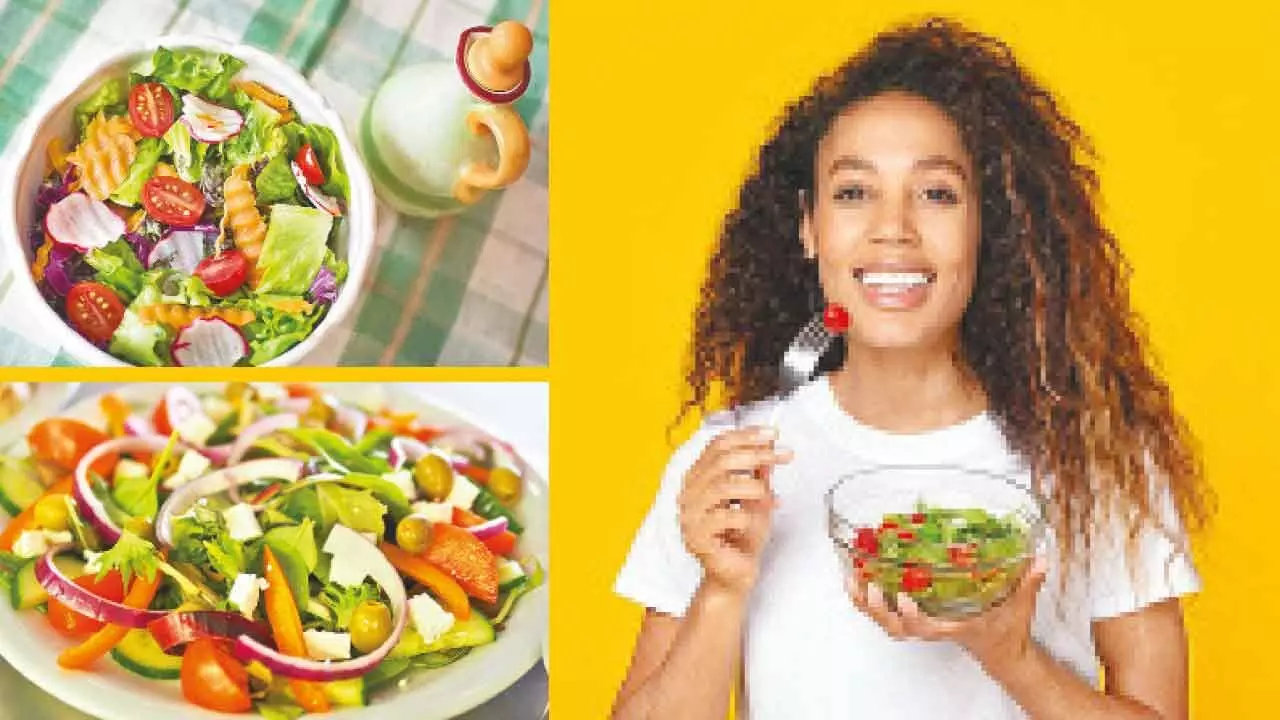
Healthy eating has moved from the margins to the mainstream, with green salads becoming a staple of modern dining. Once seen as side dishes, they are now celebrated as full, customisable meals reflecting health, sustainability, and self-care. Driven by Millennials and Gen Z, this shift is reshaping the way we eat and how the food industry innovates
The culinary landscape has undergone a significant transformation in recent years, with healthy eating taking center stage and green salads emerging as a key symbol of wellness. Once considered merely a side dish or a dieting option, salads are now being embraced as a primary meal choice. Millennials and Gen Z—two of the most influential and trend-setting consumer groups—are leading this shift, redefining what it means to eat healthily, sustainably, and consciously. Their preferences are reshaping the food industry, prompting restaurants, cafes, and food brands to innovate in response to a growing demand for fresh, nutritious, and versatile meals.
Health consciousness and nutritional awareness
One of the most compelling reasons for the surge in green salad consumption among Millennials and Gen Z is their heightened awareness of health and nutrition. Unlike previous generations, these young consumers prioritise foods that promote long-term well-being rather than simply satisfy hunger. Green salads, packed with leafy greens, vegetables, seeds, nuts, and fresh dressings, provide an abundance of essential vitamins, minerals, fiber, and antioxidants. For a generation that researches the health impact of every meal, salads are a simple yet effective way to boost immunity, improve digestion, and maintain overall wellness. This focus on functional nutrition has turned salads from a diet-friendly side dish into a sought-after meal in its own right.
Plant-based preferences and sustainability
The rise of plant-based eating is another driving factor behind the popularity of green salads. Millennials and Gen Z are increasingly adopting diets that emphasise plant-forward options for health, ethical, and environmental reasons. Salads, featuring a diverse range of fresh vegetables, legumes, nuts, and grains, align perfectly with this lifestyle choice. Moreover, these generations are deeply concerned about the environmental footprint of their diets. Reducing meat consumption and incorporating more plant-based foods is seen as a tangible way to support sustainability. Green salads allow consumers to make choices that are not only good for their health but also responsible in terms of ecological impact, further reinforcing their appeal.
Convenience and customisation
Modern life demands meals that are both convenient and flexible. Green salads satisfy these requirements, offering quick, portable, and customisable options. Many restaurants, cafes, and meal delivery services now feature salad bars or “build-your-own” salad concepts, allowing individuals to tailor meals according to taste, dietary restrictions, or nutritional needs. Millennials and Gen Z value personalisation in their food choices, and the ability to add ingredients like kale, quinoa, avocado, or chickpeas empowers them to design meals that reflect both preference and lifestyle. This level of control transforms a simple salad into a highly satisfying dining experience.
Mental well-being and lifestyle choices
Beyond physical health, young consumers increasingly view food as a key component of mental well-being. Research shows that balanced nutrition, including leafy greens and fresh vegetables, can positively impact mood, cognitive function, and energy levels. Millennials and Gen Z often approach eating as an act of self-care, integrating nutrient-rich foods like salads into their daily routines as part of a broader wellness strategy. By choosing green salads, they reinforce a holistic approach to health that encompasses both body and mind, turning food into an intentional and value-driven choice.
The growing demand for green salads reflects broader societal shifts championed by Millennials and Gen Z. Their focus on health, sustainability, convenience, customisation, and mental well-being has transformed salads from a supplementary dish into a primary meal choice. For restaurants, cafes, and food brands, this represents an opportunity to innovate, diversify menus, and cater to the preferences of these influential generations. As Millennials and Gen Z continue to shape culinary trends, green salads are poised to remain a cornerstone of healthy, conscious, and modern dining for years to come.
(The writer is an Executive Chef at India Palace Restaurant Wheaton, US)