Women’s Health Alert: Don’t Overlook These 9 Symptoms

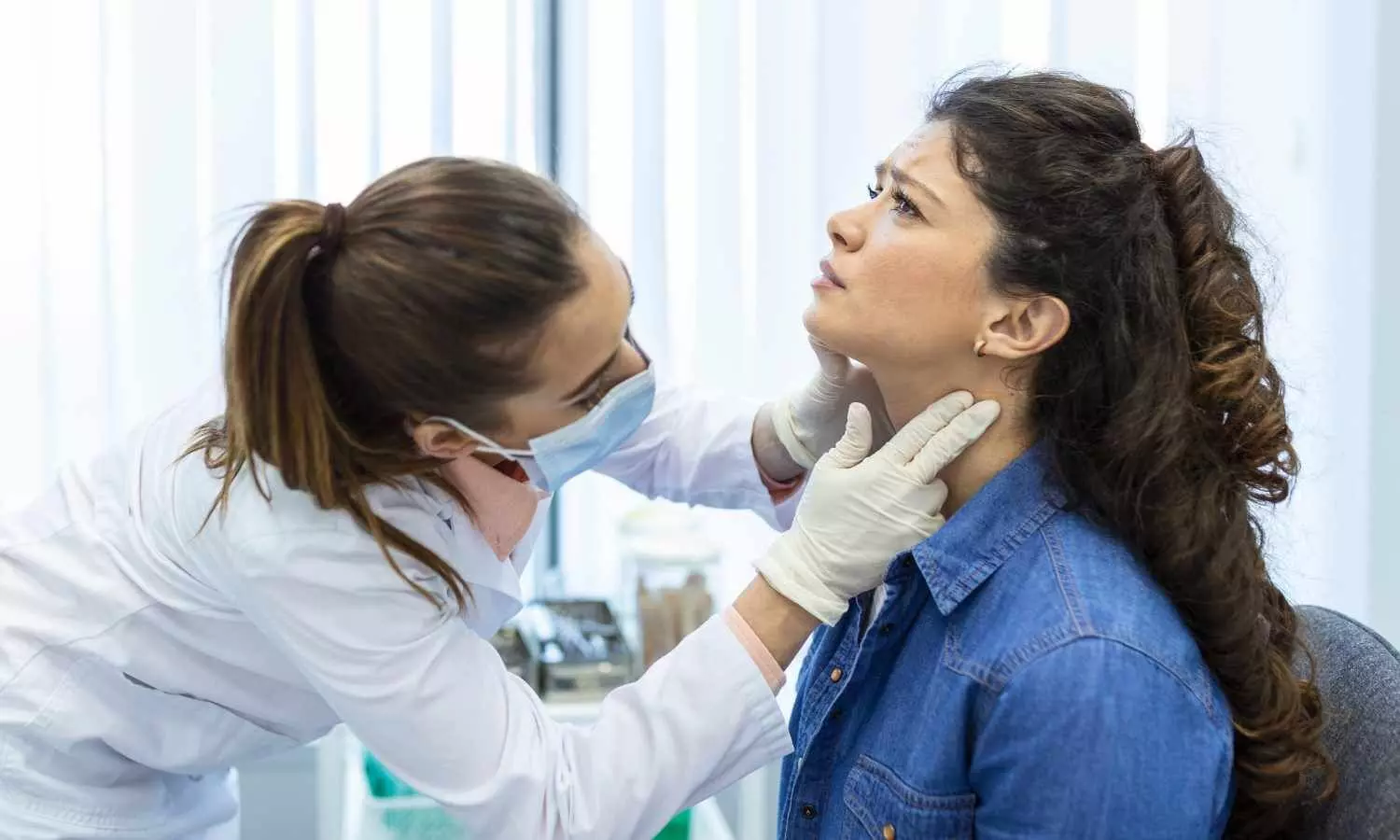
Women’s Health Alert: Don’t Overlook These 9 Symptoms
Understanding your health is empowering. Learn about 9 frequently ignored health concerns women need to be aware of along with strategies to maintain an advantage
Research continues to expand knowledge about the distinct health requirements between men and women. Your birth-assigned sex determines which Women’s health issues you are more likely to encounter. The sex assigned at birth represents the biological and anatomical determination made at birth. Researchers determine this classification through anatomical features and other distinguishing characteristics.
Let's explore the prevalent female health issues that affect women along with strategies to reduce your risk.
1. Diabetes.
Diabetes affects both genders but increases heart disease risk by four times for women. Women face higher risks of diabetes-related health problems in women including blindness and kidney disease as well as depression. Pregnancy can bring about gestational diabetes when your blood sugar rises and additional health complications begin to surface. Doctors diagnose this condition in approximately 3 percent of women while their treatment options encompass healthy eating habits, physical activity, and glucose testing and insulin therapy along with other pharmaceutical treatments.
2. Urinary tract infections
Urinary tract infections are when origins enter the urethra and begin multiplying. People assigned womanically at birth experience UTIs more constantly because their urethra is shorter than men's. The anatomy of females allows bacteria to travel a shorter distance to reach the bladder. Most common symptoms of a UTI are constant urination with unexpected pain during cloudy urine. Although many UTI prevention tips for women resolve themselves naturally a doctor can prescribe antibiotics when needed. When UTIs occur repeatedly doctors can use additional testing to check the urinary tract health.
3. Heart disease
Heart disease is the most common women’s disease.
Heart disease in women symptoms include:
- Chest pain
- Shortness of breath
- Weakness in arms
- Nausea or vomiting frequently presents itself as a symptom when someone is having a heart attack.
Menopause does not beget heart attack but it leads to an increased frequency of threat factors including high blood pressure and cholesterol along with dropped estrogen situations.
4. HPV
More than 30 different sexually transmitted infections exist. The mortal papillomavirus( HPV), which is among the most wide infections, can be averted through vaccination. Most sexually active individuals—around 80%—will contract HPV at some point in their lives.
5. Stroke
More women die from stroke than men. There are two types of stroke: Stroke types include hemorrhagic which involves brain bleeding and ischemic which results from blood vessel blockage that limits blood flow. The main symptoms of a stroke consist of speech difficulties and limb numbness despite variations based on the stroke's root cause.
Pregnancy and stroke are connected through medical research. The pregnancy condition identified by high blood pressure known as preeclampsia raises the likelihood of developing a stroke.
6. Maternal health issues.
During pregnancy people experience changes such as iron-deficiency anemia and high blood pressure which can affect their health.
Jessica W. Kiley, MD who practices obstetrics and gynecology at Northwestern Memorial Hospital asserts that preconception care remains crucial regardless of mental health issues affecting women. Individuals who have diabetes or high blood pressure must maintain their conditions under optimal control when they decide to conceive.
7. Alzheimer's disease
Alzheimer's disease is characterized by the progressive brain degeneration caused by abnormal neurofibrillary plaques and tangles. These abnormalities destroy healthy brain tissue. The 6 million Alzheimer's patients in America are mainly women, who make up two-thirds. Selecting a healthy lifestyle through physical activity and nutritious eating habits supports optimal brain health.
8. Breast cancer
Breast cancer ranks as the second most frequent cancer type in U.S. women following skin cancer. U.S. women face a 13% probability of developing breast cancer throughout their lives.
The ability to detect early signs of breast cancer in females helps women identify breast changes which then allow them to consult their primary care provider. Doctors recommend beginning routine mammograms at 40 years old while continuing yearly breast cancer screenings.
9. Osteoporosis
Osteoporosis occurs when bone strength diminishes and fracture risk becomes higher. Additional risk factors for these conditions involve specific medications as well as early menopause alongside a low BMI while cancer treatments and genetics also contribute. It's possible to osteoporosis prevention for women by boosting your calcium consumption and performing suitable weight-bearing exercises while also avoiding tobacco and excessive alcohol consumption.
Conclusion
Your health represents your greatest asset which you can safeguard through continuous learning. These 9 health issues exist to provide you with awareness and confidence through knowledge. You establish a strong foundation for lifelong women’s wellness when you learn to recognize early signs and schedule regular checkups while staying attentive to your body's signals. Your well-being must always be treated as a priority rather than just a luxury. Maintain an active approach to your health while nurturing your curiosity and always feel comfortable to inquire about your wellbeing.