




Indian Weddings Explained: Culture, Rituals & Modern Trends in 2026
In Short
Dive into the world of Indian weddings, blending tradition and modernity. Explore rituals, astrology, and the vital role of family in creating lasting unions in 2026.

Share :
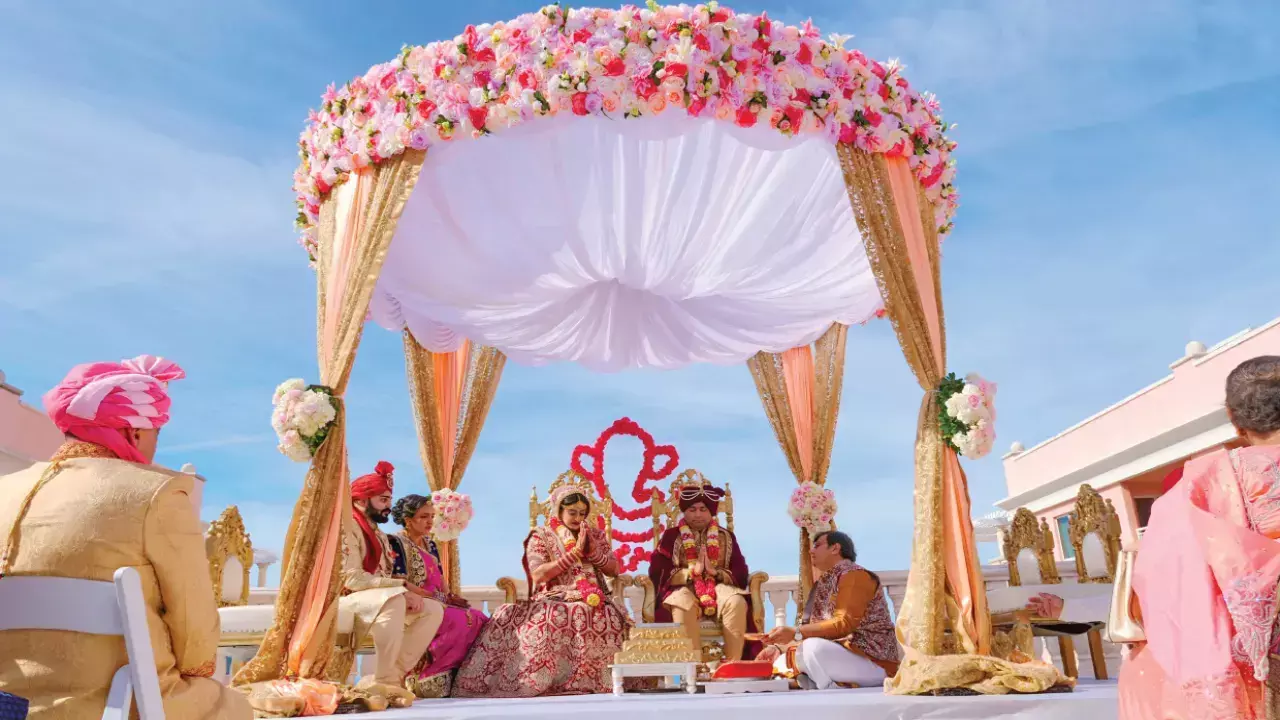
An Indian wedding is not just a typical tying the knot. Our culture calls it a "Sanskara." This term means a sacred rite of passage, marking the union of two people. It also signals the merger of two family histories. You find these celebrations across the country. This celebration may be a quiet ceremony by the Kerala backwaters. Or a loud, bright celebration in a Rajasthan palace. Despite regional differences, the Indian wedding remains deeply spiritual. It blends ancient Vedic traditions with the pace of modern life in 2026.
Most families do not start their planning with a guest list. They start by looking at the sky. Indian culture views time as a cycle. We believe the movement of planets affects our daily lives. A happy, stable marriage requires the right beginning. This is a scientific and spiritual calculation. Families spend months talking to astrologers. They look at the Vedic calendar to find the most auspicious marriage dates for the year. People call these "Shubh Muhurats." The idea is simple: start with the blessing of the cosmos to avoid trouble later. It gives the couple a solid foundation.
Looking Back at the Roots
We need to look at history to understand why these weddings are so big today. Marriage is one of the sixteen sacraments in Hindu tradition. Long ago, these rituals helped a person move from being a student to being a householder. This transition is a big deal. The rituals are complex because the job of being a partner and a parent is complex.
Historically, weddings were community events. They served as a public commitment. Family involvement remains the central pillar today. Western weddings often spotlight the couple. Indian weddings represent a collective effort. Every aunt, uncle, and cousin holds a role. They form an essential support network. This system ensures the couple does not start their new life alone.
The Wedding Business in 2026
The spiritual core remains constant. However, the business side has transformed completely. The "Great Indian Wedding" is now a colossal industry. It pumps billions into the economy annually. It showcases world-class fashion, food, and design. A new trend defines 2026. People call it "Intimate Grandeur."
Couples are not inviting thousands of people anymore. They are inviting a hundred people but giving them a five-star experience. They want quality over quantity. They choose venues that mean something to them. They pick menus that tell their personal story. Customized storytelling through décor is now standard. The goal is no longer just to show off wealth. The goal is to create a deep connection with the people who matter most. This shift mirrors a global desire for authenticity.
Different Traditions Across the Land
India is a vast nation. Traditions shift dramatically every few hundred miles. Every state has its own way of celebrating. Language, food, and rituals change entirely.
The North: Energy and Sound
Northern weddings, especially in Punjab and Rajasthan, burst with energy. The "Baraat" is a famous part of this. This groom's procession approaches the venue with a brass band and dancing relatives. He might ride a horse or a vintage car. Then there is the "Milni." Men from both families meet and embrace in a formal ritual. It is a formal way to say the two families are now one. Loud rhythmic dhol beats often fill the air.
The South: Focus on Purity
In states like Andhra Pradesh and Tamil Nadu, weddings often happen very early in the morning. The focus here is on being simple and pure. The bride wears heavy silk sarees called Kanjeevarams.
The groom wears a traditional white Veshti. In Telugu weddings, there is a fun ritual called "Talambralu." The couple pours rice mixed with turmeric over each other’s heads. It starts as a prayer for plenty but usually ends as a game. It shows that marriage should have joy and friendship.
The East and West: Conch Shells and Shawls
In West Bengal, the "Ulu Dhwani" resonates. Women create this high-pitched sound to welcome the couple. Conch shells blow, crafting a sacred atmosphere. In Maharashtra, a silk cloth called an "Antarpat" divides the couple. They cannot see each other until the priest completes key mantras. The cloth falls. They see each other as husband and wife for the first time. The atmosphere instantly transforms into one of celebration.
The Core Rituals
Even with all these differences, some rituals happen everywhere. They are the heart of the wedding.
- The Agni Sakshi: Fire is a pure element. The couple walks around a sacred fire. They make their promises in front of the fire, which acts as a divine witness.
- The Saptapadi: This means "Seven Steps." Each step is a vow. They promise to provide food, strength, and happiness for each other. They promise to be loyal and to remain best friends forever. Each step reinforces their lifelong partnership.
- The Kanyadaan: This is an emotional moment. The father of the bride places her hand in the groom’s hand. He asks the groom to treat her with respect and love. It is not about "giving away" a person. It is about trusting a new person to care for her.
How Technology Changed Things
We are living in 2026, so technology is part of everything. Planning a wedding is different now. Couples use AI to help them stay on budget. They use virtual reality to show their venues to relatives who live in other countries. Smart invites now include personalized video messages.
Technology also preserves tradition. Families create digital archives of ancestral songs and stories. They ensure the next generation knows its heritage. Live-streaming has advanced. With 360-degree cameras, a grandmother can wear a VR headset. She can feel present under the wedding Mandap, despite being miles away. Global connectivity ensures that no loved one feels left out.
The Rise of the Green Wedding
Sustainability is a huge topic this year. Young couples care about the planet. They do not want their wedding to leave a mountain of trash. We see three big changes here:
- Zero-Waste Catering: Caterers use plates made from leaves or biodegradable material. They partner with NGOs to donate excess food to those in need.
- Fashion with History: Many brides choose their mother's wedding attire. A designer modernizes the cut, but the original fabric remains. This conserves resources and honors family legacy. Vintage textiles are now highly prized.
- E-Gifting: Couples increasingly request charitable donations instead of physical gifts. This reduces waste and supports community causes. Philanthropy is becoming a cornerstone of modern celebrations.
Fashion and Style Trends
In 2026, bridal fashion is changing. Red is still the top color, but it is not the only choice. We see a lot of ivory, soft gold, and sage green. Couples want fabrics that are easy to wear. They are choosing hand-loomed silks like Khadi and Chanderi.
These fabrics support local workers. Modern brides want to dance. They choose styles like the "Pre-stitched Saree" because it looks traditional but is easy to move in. Practicality is finally meeting high fashion.
Planning the Logistics
Organizing a wedding in India is a massive job. It usually takes a year of planning. You have to find a venue, a caterer, a decorator, and a photographer. Most people now hire a professional wedding planner. These planners manage everything. They make sure the flowers are fresh, and the music starts on time.
They also handle the guest logistics. In 2026, many weddings are destination weddings. This means the whole family travels to a new city for three days. It makes the wedding feel like a big vacation. Careful coordination is essential for such grand events.
The Food: A Culinary Map
Food is central to an Indian wedding. In 2026, menus are more diverse than ever. One wedding might feature Delhi street food, South Indian curries, and Italian pasta. "Live Counters" are especially popular. Chefs prepare food directly in front of guests. This turns the meal into an interactive experience. Fusion desserts are also trending this season.
Why the Tradition Still Matters
People sometimes ask why these elaborate traditions persist. The world changes rapidly. We have AI and space travel. Yet the Indian wedding grounds us. It connects us to our roots. It provides a powerful sense of belonging. In an often isolating world, a wedding gathers people together. These gatherings provide emotional continuity across generations.
It is a celebration of shared hope. Two people stand before the sacred fire. They express belief in a shared future. They commit to building something lasting. The scale may vary from a million-dollar event to a village ceremony. The core feeling is identical. It revolves around love, duty, and family. Ancient chants continue to echo through time.
The 2026 wedding season reveals a beautiful synthesis. Participants respect the past while embracing the future. The "Great Indian Wedding" continues to evolve. It grows more personal and more responsible. Its heart remains unchanged. It is still the eternal bond that has defined our culture for millennia. This legacy will undoubtedly continue to flourish.


