The Significance of Maha Shivaratri – What Observances Should Be Followed?

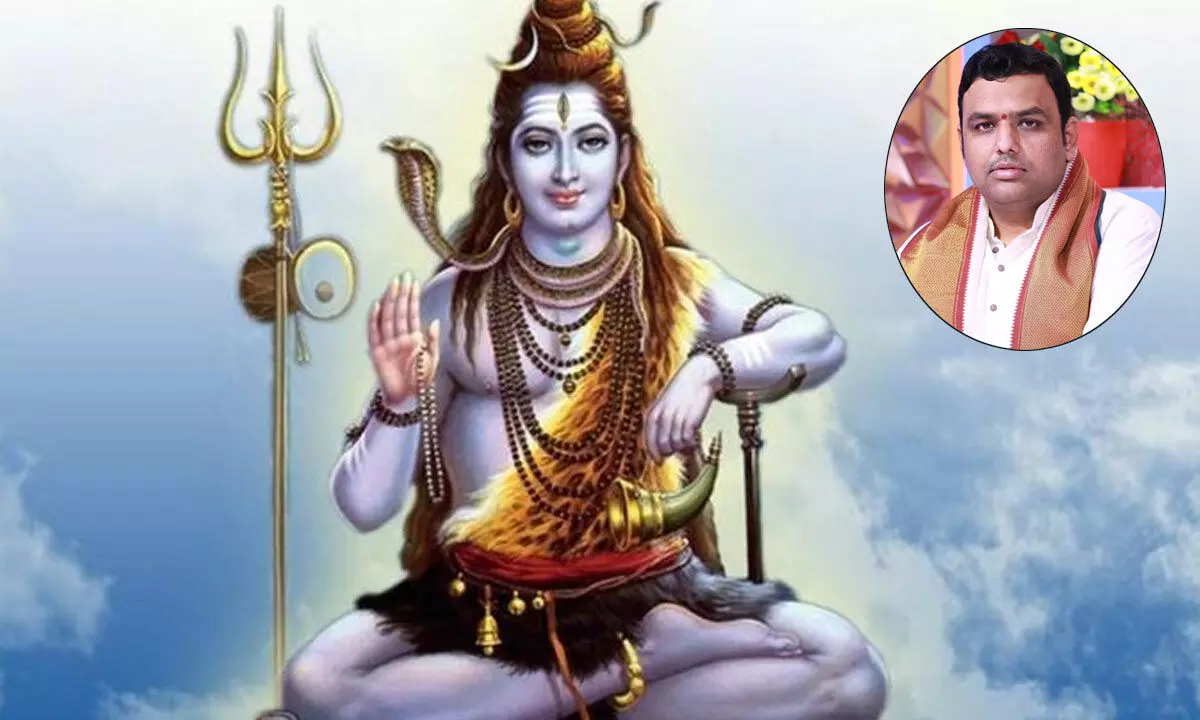
Maha Shivaratri is the sacred night dedicated to Lord Shiva, the supreme force responsible for the dissolution of the entire universe. He is the compassionate protector of devotees, the simple and benevolent Bhola Shankara, the three-eyed Lord. The holy day on which He manifested as the divine Lingodbhava is celebrated as Maha Shivaratri.
The true purpose of this festival is to remember Lord Shiva in thought, word, and deed, and to experience divine consciousness through night-long vigil (jagarana). Shiva loves His devotees, and devotees place unwavering faith in Him. Chanting “Hara Hara Mahadeva,” they celebrate every day as Shivaratri. Though worshipping Him countless times never feels enough, special Shivaratris are observed fortnightly, monthly, and annually. Among all these, Maha Shivaratri is considered the most sacred.
Renowned spiritual scholar, Panchanga expert, and Brahmashri Chilakamarthi Prabhakar Chakravarthy explains the uniqueness of this year’s Maha Shivaratri and the observances to be followed.
Why is this Maha Shivaratri special?
This year, Maha Shivaratri falls on Magha Krishna Paksha Chaturdashi, which coincides with a Sunday, making it especially auspicious.
“Magha” signifies the destruction of sins. Scriptures recommend special worship of the Sun God during the Magha month. Indians traditionally revere the life-giving rays of the Sun. Since Rudra (Shiva) is the presiding deity of the Sun, performing both Surya worship and Shiva worship on this sacred Sunday is believed to remove accumulated sins and bestow divine blessings.
Five Types of Shivaratri
According to the Puranas, there are five types of Shivaratris:
• Nitya Shivaratri – Daily remembrance and worship of Shiva
• Paksha Shivaratri – Worship on every fortnight’s Chaturdashi
• Masa Shivaratri – Monthly observance on Krishna Chaturdashi
• Maha Shivaratri – The supreme observance in Magha month
• Yoga Shivaratri – The blissful state experienced by yogis in meditation
Even simple worship performed with devotion pleases Lord Shiva. Whether elaborate rituals are done or merely a pot of water is poured over the Shiva Linga with pure devotion, both are equally dear to Him. The story of Bhakta Kannappa is a classic example of this truth.
While it may not be possible for everyone to observe all forms regularly in today’s busy life, performing sincere worship on Maha Shivaratri alone is said to grant the merit of a whole year’s worship.
What observances should be followed?
Maha Shivaratri is not just a festival—it is a sacred opportunity for inner awakening. On this day, one must turn away from the external world and experience the Shiva principle within.
Key Practices:
Fasting (Upavasa)
The word Upavasa means “staying close to God.” It is not merely avoiding food but spending the day immersed in Shiva’s remembrance. Avoid distractions like movies, entertainment, or routine office work.
Those unable to fast completely for health reasons may consume liquids or temple prasadam and observe the fast with devotion.
Night Vigil (Jagarana)
Stay awake through the night chanting Shiva’s name, meditating, and performing worship. Night worship enhances spiritual radiance and benefits both seekers of liberation and householders alike, granting health, longevity, and prosperity.
Temple Visit & Ritual Bath
Wake up before sunrise, clean the house, take a head bath, and visit a Shiva temple. Resolve to observe the fast with sincerity.
Abhishekam (Sacred Bathing of Shiva Linga)
At home or temple, perform Abhishekam to a small Shiva Linga using:
• Water
• Panchamrita (milk, curd, ghee, honey, sugar)
• Bilva leaves
• Sandalwood
• Vibhuti
Scripture says:
“Vishnu loves decoration, Shiva loves Abhishekam.”
Hence bathing the Linga is especially dear to Him.
Special Worship
• Bilva Archana
• Rudrabhishekam
• Chanting “Om Namah Shivaya”
• Charity and donations
Spiritual Significance
Maha Shivaratri is also associated with:
• Shiva consuming the deadly Halahala poison during the churning of the ocean (becoming Neelakantha)
• The divine appearance of Lingodbhava
• The celestial marriage of Shiva and Parvati
Removal of Doshas (Afflictions)
Since this year’s Shivaratri falls on a Sunday, it holds special power:
• Removes illnesses
• Satisfies ancestors
• Grants health, long life, fame, and victory
• Reduces planetary afflictions and enemy troubles
• Brings overall auspiciousness
Rules to Follow
On Maha Shivaratri:
• Observe fasting
• Perform night vigil
• Chant Shiva’s name
• Do Abhishekam and Bilva worship
• Give charity
• Avoid anger
• Avoid non-vegetarian food
• Avoid lies or harming others
By following these disciplines, one is freed from sins and blessed with health, prosperity, children, peace of mind, and ultimately liberation.