Winter Care Tips to Revive a Drying Tulsi Plant Naturally

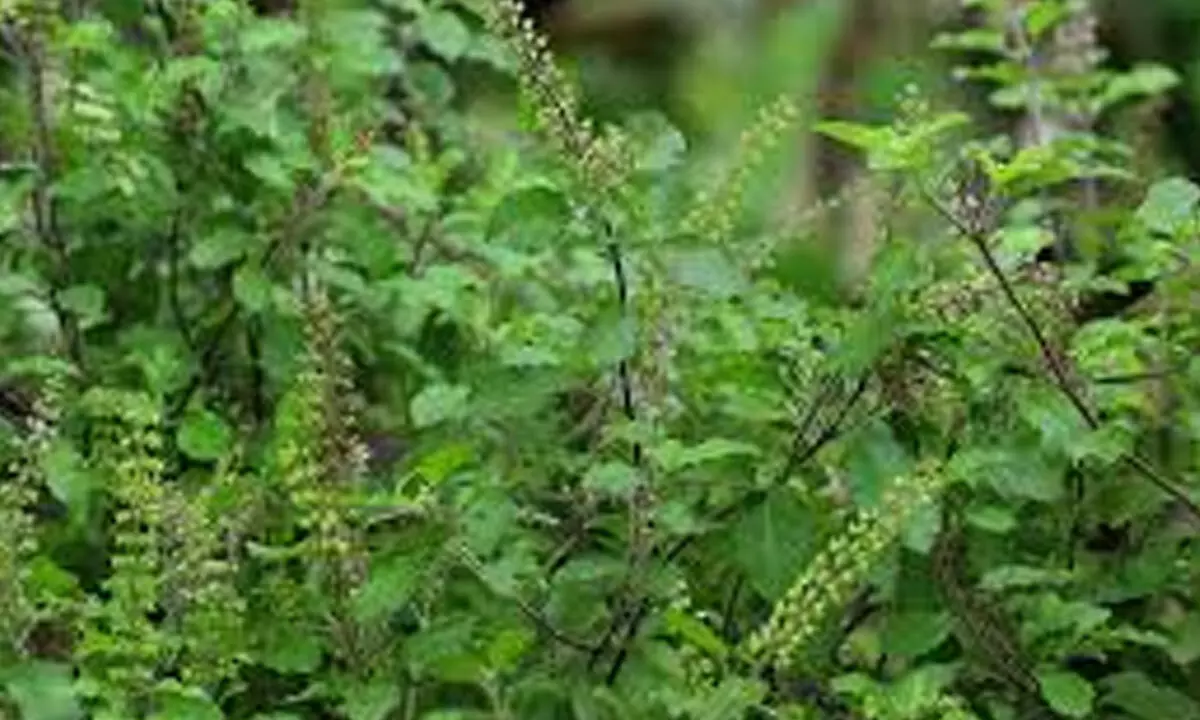
Simple sunlight, mindful watering, and a natural soil remedy can help revive tulsi plants that dry up during winter months.
Tulsi, also known as holy basil, holds deep spiritual and cultural significance in many Indian households. Revered in Sanatan Dharma, the plant is often worshipped daily and is believed to bring positivity, health, and harmony to the home. However, as winter sets in, many people notice their tulsi plant beginning to wilt, lose leaves, or dry up completely. This seasonal struggle is common, but with a few thoughtful care measures, the plant can be restored to health.
One of the primary reasons tulsi plants weaken during winter is reduced exposure to sunlight. Shorter days and weaker sun rays can disturb the plant’s natural growth cycle. Tulsi thrives in warmth and light, and without adequate sunlight, its ability to absorb nutrients and retain moisture diminishes. This often results in yellowing leaves, slow growth, and eventual drying.
To keep tulsi healthy during colder months, ensuring sufficient sunlight is essential. Ideally, the plant should receive three to four hours of direct sunlight each day, especially during the morning. Morning sunlight is gentle yet energising and helps maintain the freshness and vitality of the leaves. If the plant is placed in a shaded area during winter, shifting it to a sunnier spot can make a noticeable difference. Balconies, terraces, or open courtyards that receive ample sunlight are suitable locations.
Watering practices also need adjustment in winter. Overwatering can be harmful, as cold soil retains moisture for longer periods, increasing the risk of root rot. Instead of pouring water directly into the pot, lightly spraying water on the soil is a safer approach. This keeps the soil moist without making it soggy and allows the roots to breathe properly. Checking soil moisture before watering is a good habit to prevent excess water accumulation.
In addition to sunlight and careful watering, a simple natural remedy can help revive a struggling tulsi plant. Wood ash, a traditional household by-product, can act as a natural soil enhancer. Ash obtained from burnt wood contains potassium and other essential minerals that support plant health. When finely ground and added in small quantities to the soil, it helps restore nutrient balance and encourages greener, stronger growth.
About one spoon of finely powdered wood ash mixed into the soil once or twice a week is sufficient. This remedy not only nourishes the plant but also improves soil quality, making it more suitable for tulsi during harsh winter conditions. However, moderation is important, as excessive ash can alter soil pH.
By combining adequate sunlight exposure, gentle watering, and a natural soil supplement, tulsi plants can survive and even thrive through winter. With a little extra care and attention, this sacred plant can remain lush and vibrant, continuing to grace homes with both spiritual and natural benefits throughout the year.