Winter Haircare Mistakes That Slowly Damage Your Hair

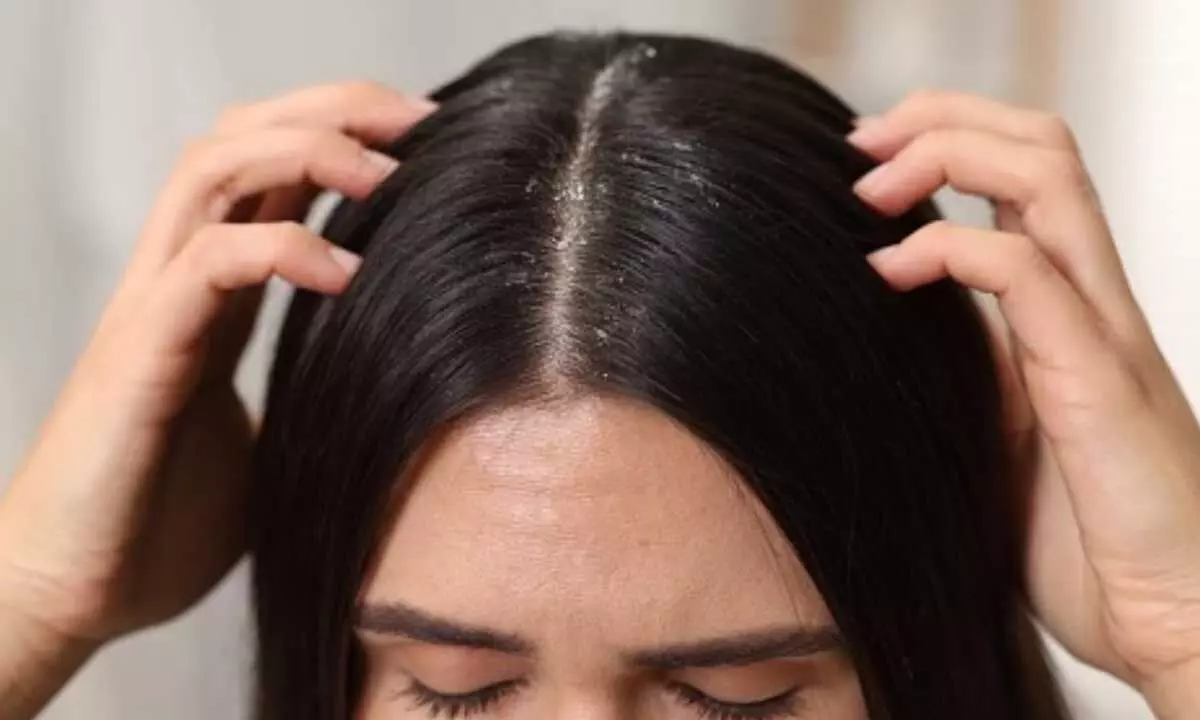
Simple winter habits often dry out hair and weaken roots; small seasonal changes can help preserve strength, moisture, and shine.
Winter may elevate fashion choices, but it quietly takes a toll on hair health. Falling temperatures, low humidity, and indoor heating strip hair of its natural moisture, making it dry, fragile, and prone to breakage. However, most winter hair problems are not caused by weather alone. They stem from everyday habits that remain unchanged despite seasonal needs.
Recognising and correcting these mistakes can significantly improve hair texture, strength, and overall appearance during the colder months.
Washing Hair Too Frequently
Cold weather already reduces natural oil production. Frequent shampooing further strips the scalp and hair of essential oils, leading to dryness, brittleness, and split ends, especially for coloured or textured hair.
Using Too Little Conditioner or Skipping It
Many avoid conditioner to prevent flat hair, but winter requires extra hydration. Insufficient conditioning leaves strands vulnerable to frizz, tangles, and breakage.
Neglecting Scalp Care
A dry, itchy scalp in winter is often mistaken for dandruff. Dehydration and buildup can slow hair growth and weaken roots. Maintaining scalp health is essential for stronger, healthier hair.
Going Outdoors with Wet Hair
Cold air weakens damp hair by affecting the cuticle, increasing the risk of breakage. Allowing hair to dry fully before stepping out helps prevent unnecessary damage.
Excessive Heat Styling
Hair already stressed by dry winter air becomes more vulnerable when exposed to frequent heat styling. Over time, this leads to dullness, dryness, and loss of elasticity.
Tight Hairstyles Under Winter Accessories
Tight buns or ponytails combined with scarves, woollens, and coats create friction. This constant stress can cause hairline breakage and weaken roots around sensitive areas.
Skipping Oiling and Deep Conditioning
Many avoid oil treatments in winter to prevent greasiness, but hair needs nourishment most during this season. Regular oiling and deep conditioning help restore moisture and protect the hair barrier.
Using the Same Products All Year
Haircare needs to change with the seasons. Lightweight products suited for summer often fail to provide adequate hydration in winter, reducing their effectiveness.
Winter hair damage develops gradually, starting with dryness and progressing to frizz, hair fall, and breakage. Making small, thoughtful adjustments to daily routines can help maintain healthy, resilient, and well-nourished hair until spring arrives.