Yellow Plaque: The Silent Threat to Your Smile

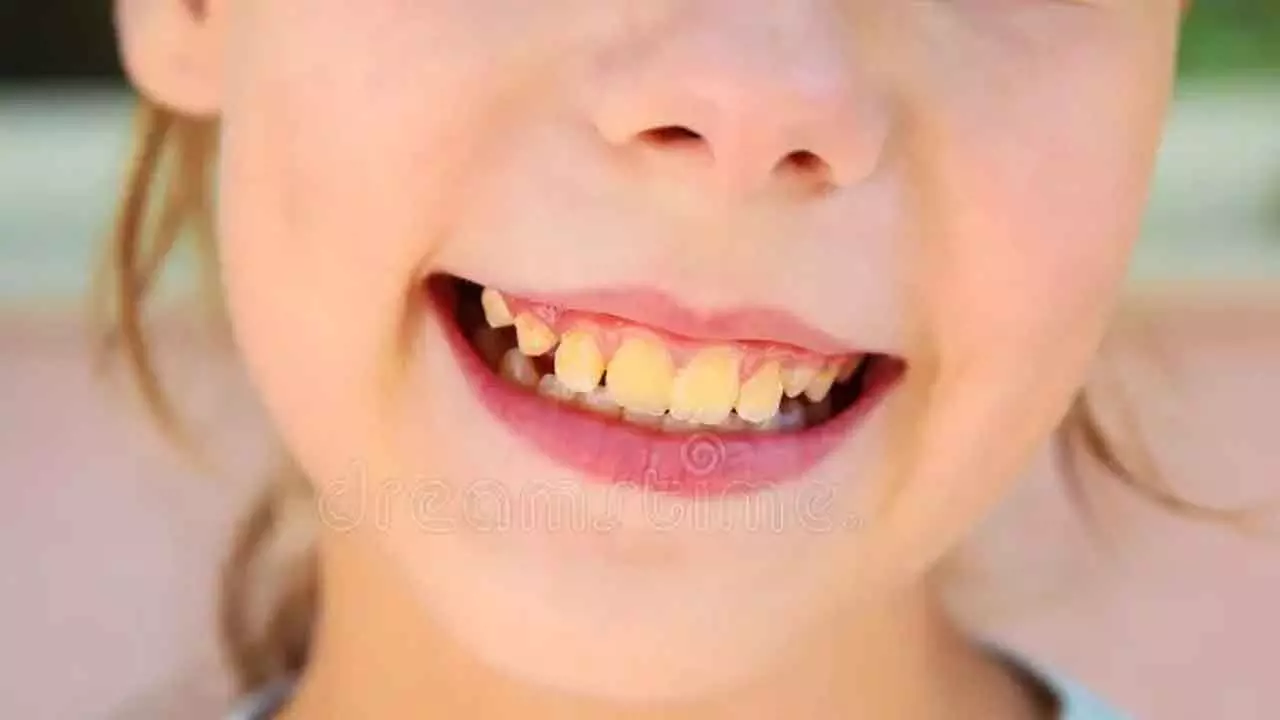
That yellow film on teeth isn’t just staining—it harbours bacteria that trigger cavities, gum disease, bad breath, and long-term damage.
Most people notice it while brushing — a faint yellow layer clinging stubbornly to their teeth. At first glance, it may seem like simple discoloration or a cosmetic concern. However, dental experts warn that this sticky coating, known as plaque, can quietly damage oral health if left unchecked. Beyond affecting your smile’s brightness, plaque buildup can open the door to cavities, gum infections, and persistent bad breath.
Maintaining healthy teeth is not just about aesthetics; it is directly linked to overall well-being. Understanding what plaque is and how it forms is the first step toward preventing long-term dental issues.
How Plaque Develops on Your Teeth
Plaque forms naturally in the mouth when tiny food particles combine with saliva and bacteria. This mixture creates a thin, sticky film that attaches itself to tooth surfaces and gum lines. Without proper brushing and flossing, the layer thickens and hardens over time.
As plaque accumulates, it becomes more difficult to remove and may turn into tartar. At this stage, routine brushing alone cannot eliminate it, and professional cleaning becomes necessary. The bacteria trapped inside plaque release acids that gradually weaken tooth enamel, increasing the risk of decay and gum inflammation.
Everyday Foods That Contribute to Yellowing
Your daily diet plays a larger role in tooth discoloration than you might think. Popular beverages such as tea and coffee contain compounds that cling to enamel and leave stains behind. Tobacco products further intensify yellowing and also damage gum health.
Acidic foods and drinks — including citrus fruits, sodas, wine, and tomato-based items — can also create problems. These items lower the mouth’s pH level and slowly erode enamel. When the protective enamel layer thins out, the naturally yellow dentin beneath becomes more visible, giving teeth a dull or stained appearance. Over time, this weakening can also cause sensitivity and make teeth more vulnerable to cavities.
Simple Home Remedies That May Help
While professional dental care remains essential, some traditional home remedies can support oral hygiene and help manage mild staining.
A popular household method involves mixing salt with mustard oil to create a paste. When gently massaged onto the teeth, this mixture may help scrub away surface stains and improve cleanliness. The mild abrasive nature of salt assists in removing buildup, while the oil helps lubricate and clean.
However, these methods should be used carefully and not too frequently to avoid enamel damage.
Oil Pulling and Baking Soda Options
Oil pulling, an age-old practice, has gained popularity for its potential antibacterial benefits. Swishing coconut oil in the mouth for several minutes may help reduce bacteria and loosen debris stuck between teeth. Many people find that it leaves their mouth feeling fresher and cleaner.
Baking soda is another commonly recommended ingredient. It works as a gentle cleanser that can neutralize acids and reduce plaque formation. Used occasionally, it may help brighten teeth by polishing away minor stains.
Combining such remedies with regular brushing and flossing can enhance overall results, but moderation is key.
Nature’s Herbal Helpers
Certain leaves traditionally used in natural medicine also offer oral health benefits. Neem and guava leaves are known for their antibacterial properties. Chewing them or using them in a homemade rinse may help reduce odor-causing bacteria and support gum health.
These plant-based solutions can complement daily hygiene practices and provide a refreshing alternative to chemical-based products.
The Importance of Professional Care
Though home remedies may offer temporary improvement, they cannot replace professional dental checkups. Dentists can remove hardened tartar, detect early signs of gum disease, and recommend treatments tailored to individual needs.
A consistent routine — brushing twice daily, flossing, rinsing, and visiting the dentist regularly — remains the most effective defense against plaque.
A bright smile isn’t just about appearance. It reflects healthy habits that protect your teeth for years to come.