From Engineering Foundations to Financial Services Innovation: A Journey in Banking Infrastructure

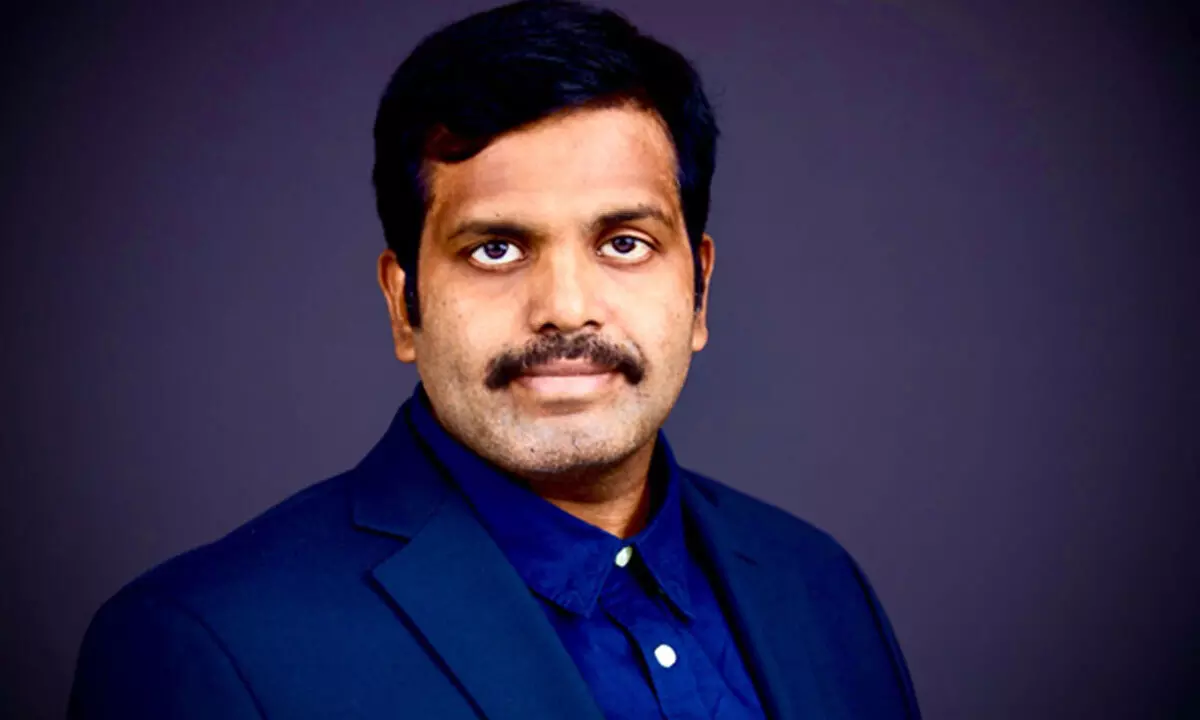
Lokesh Nuthi, a seasoned Site Reliability Engineering (SRE) and financial infrastructure leader with over 13 years of experience, reflects on how core principles of network reliability, latency, and fault tolerance have shaped his approach to mission-critical financial platforms. He speaks about preventing failures before they surface, building resilient payment and trading systems, and cultivating engineering teams capable of making decisive judgments under pressure
The intersection of telecommunications engineering and financial technology might appear unconventional, yet it is precisely this blend that fuels Lokesh Nuthi’s approach to solving some of the most complex challenges in banking infrastructure. Armed with a Master of Science in Telecommunications Engineering from the University of Sunderland, UK, Lokesh discovered early on that the principles governing high-stakes network systems—latency, reliability, and fault tolerance—apply seamlessly to the unforgiving world of global finance.
Across 13 years and major institutions including Wells Fargo, Citigroup, Deutsche Bank, and the State Bank of Mauritius, Lokesh has built a career where milliseconds matter and operational failures can have far-reaching consequences. His philosophy is anchored in the belief that peak performance is measured not when systems run flawlessly, but when impending failures are averted. “The moment that defines your career isn't when everything works perfectly—it's when you prevent disaster before customers ever know there was a risk,” he reflects.
One of his most defining accomplishments came during a critical transformation of a global payment origination platform straining under massive transaction loads. With millions of daily payments at stake, degradation during peak hours posed not just a performance issue but a potential regulatory and reputational crisis. Rather than applying quick fixes, Lokesh led a holistic redesign of the architecture, ultimately delivering a 40% reduction in Mean Time To Recovery and tripling the system’s transaction capacity. “We had developers pushing for rapid delivery, operations teams focused on stability, compliance officers worried about regulations, and executives concerned about customer impact,” he recalls. “The breakthrough came from creating shared reliability metrics that everyone could understand—translating SLOs and error budgets into business language.”
At Wells Fargo, Lokesh oversaw infrastructure for Global Payment Services, a platform that must validate fraud risks, check sanctioned accounts, observe multi-jurisdictional holiday calendars, and process time-sensitive payments—all at sub-second latency and 99.99% uptime. His implementation of end-to-end observability using Splunk, GeneosITRS, and Grafana reshaped how real-time insights drove operations. Quarterly Disaster Recovery exercises strengthened organisational resilience, ensuring teams could execute under pressure.
His time at Citigroup exposed him to the adrenaline-fueled world of trading platforms, where, as he puts it, “On a trading platform, a 100-millisecond delay can mean the difference between profit and loss.” At Deutsche Bank, his orchestration of the Money Transfer New Architecture project achieved a rare milestone: migrating multiple legacy systems into a unified platform without a single customer-facing outage.
Central to his leadership is developing engineers capable of judgment under uncertainty. “The goal is building engineers who can make sound judgments at 3 AM during a critical incident,” he says, underscoring his “incident shadowing” practice.
With the future pointing toward instantaneous payments, AI-driven operations, and multi-cloud ecosystems, Lokesh believes infrastructure leaders must blend innovation with discipline. His certifications across Kubernetes, AWS, Azure, SRE, WebLogic, and ITIL reflect that commitment. His career stands as proof that exceptional financial infrastructure is built not by chasing trends, but by aligning reliability with business value—one resilient system at a time.