




- Jeevandan scheme helps kidney transplants at SVIMS
- CPM accuses coalition of misleading people ahead of local body polls
- Polling for ZPTC, MPTC elections on Nov 5
- Paddy crop inundated in 6,199 hectares
- MP Sana visits cyclone-hit areas in Konaseema
- Strong winds reach 78 kmph in Polavaram district
- Cyclone affects 21,500 people in Kakinada district
- Relief efforts from today: CM Naidu to visit cyclone-hit Konaseema, West Godavari
BS-IV ban row: Transporters threaten chakka jam
In Short
Transport leaders argue that the blanket restriction, introduced to curb pollution, could cripple businesses, threaten livelihoods and disrupt the supply of goods without sufficient scientific assessment of its effectiveness.

Share :
BS-IV ban row: Transporters threaten chakka jam
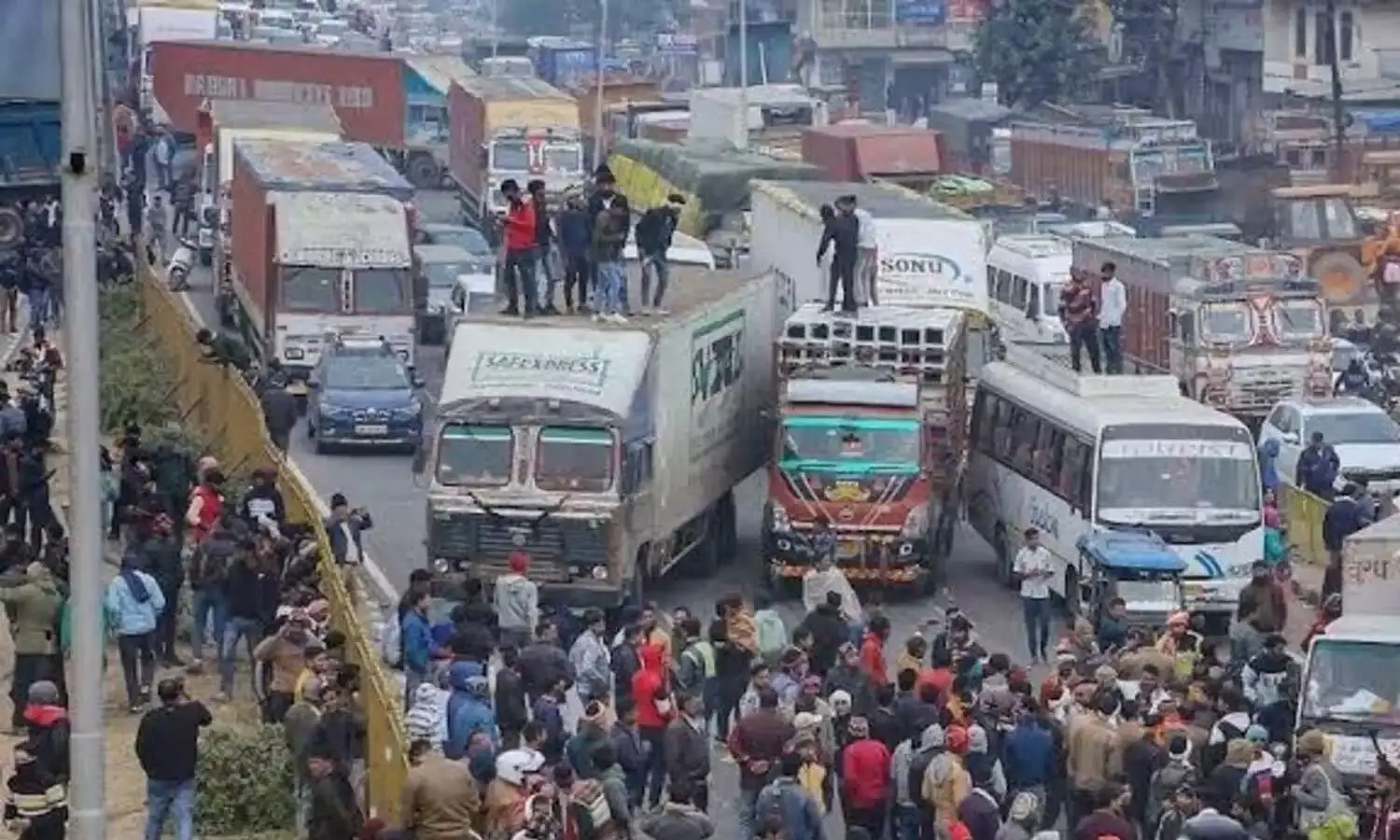
New Delhi: Delhi’s proposed November 1 ban on the entry of BS-IV and older commercial and private vehicles has triggered a confrontation with transport associations, which are threatening street protests, road blockades and legal action if the government refuses to reconsider the move. Transport leaders argue that the blanket restriction, introduced to curb pollution, could cripple businesses, threaten livelihoods and disrupt the supply of goods without sufficient scientific assessment of its effectiveness.
Dr Harish Sabharwal, president of the All India Motor Transport Congress, and Rajendra Kapoor, president of the All India Motor and Goods Transport Association, have criticised the decision as unfair and disconnected from ground realities. They contend that restricting vehicles solely on the basis of their emission category, without assessing their actual pollution levels, could impose a disproportionate burden on transport operators across Delhi and the National Capital Region (NCR).
Sabharwal said approximately 10,000 to 12,000 vehicles from outside Delhi enter the capital every day, while around 2.5 lakh vehicles across the NCR could be affected by the restrictions. Goods carriers using Euro-IV, or BS-IV, technology and travelling from different parts of the country are also likely to face difficulties entering Delhi.
Kapoor pointed out that BS-IV vehicles continue to operate in several parts of India, even as Delhi prepares to restrict their entry. He warned that stopping vehicles travelling from distant states, including Tamil Nadu, at the capital’s borders could disrupt long-distance freight operations and create a serious logistical crisis.
Transporters have questioned why vehicles possessing valid pollution certificates and other statutory documents should be prohibited from entering Delhi. They said vehicle owners obtain Pollution Under Control Certificates (PUCCs) from government-authorised agencies or original equipment manufacturers (OEMs), comply with prescribed standards and pay applicable green taxes, pollution taxes and road taxes. According to the associations, imposing a blanket restriction based on vehicle classification despite these requirements raises questions about fairness and implementation.

Cyclone Arnab devastates AP coast
MPTC, ZPTC polls rescheduled to Nov 5
PM Asks AP CS to Expedite Land Acquisition of Errupalem-Amravati-Namburu Railway Line
Internet, mobile networks hit slow lane
IMD Warns of Flash Flood Risk in 13 AP Districts
El Niño Threat: Telangana CM Orders Treated Water Use to Conserve Drinking Water


