




- Adani Ports shares settle over 6 pc higher after strong Q2 results
- Just a trailer: Congress warns Maha CM Fadnavis after defeating BJP in RSS bastion
- WPL 2027: Choosing four overseas players in playing XI will be really hard, says Klinger
- Anthropic launches new tools to help businesses monitor AI spending and costs
- PM Modi to inaugurate Rs 407.56-crore Banas Dairy projects, lay foundation stone for two Bio-CNG plants tomorrow
- Australian teenager dies in hospital after drive-by shooting
- 'Dangerous for democracy,' Kiren Rijiju hits out at Naseeruddin Shah over 'Dimagi Naxal' boast
- MP govt transfers 12 IPS officers, reshuffles police administration
Banks Must Compensate Digital Fraud Victims If Due Diligence Fails: Supreme Court
In Short
The Supreme Court has directed banks to provide compensation to the victims of digital fraud in cases where the bank's failure in the exercise of due diligence has contributed to the loss, urging for measures to ensure that digital fraud is not exploited by banks to victimize its customers.

Share :
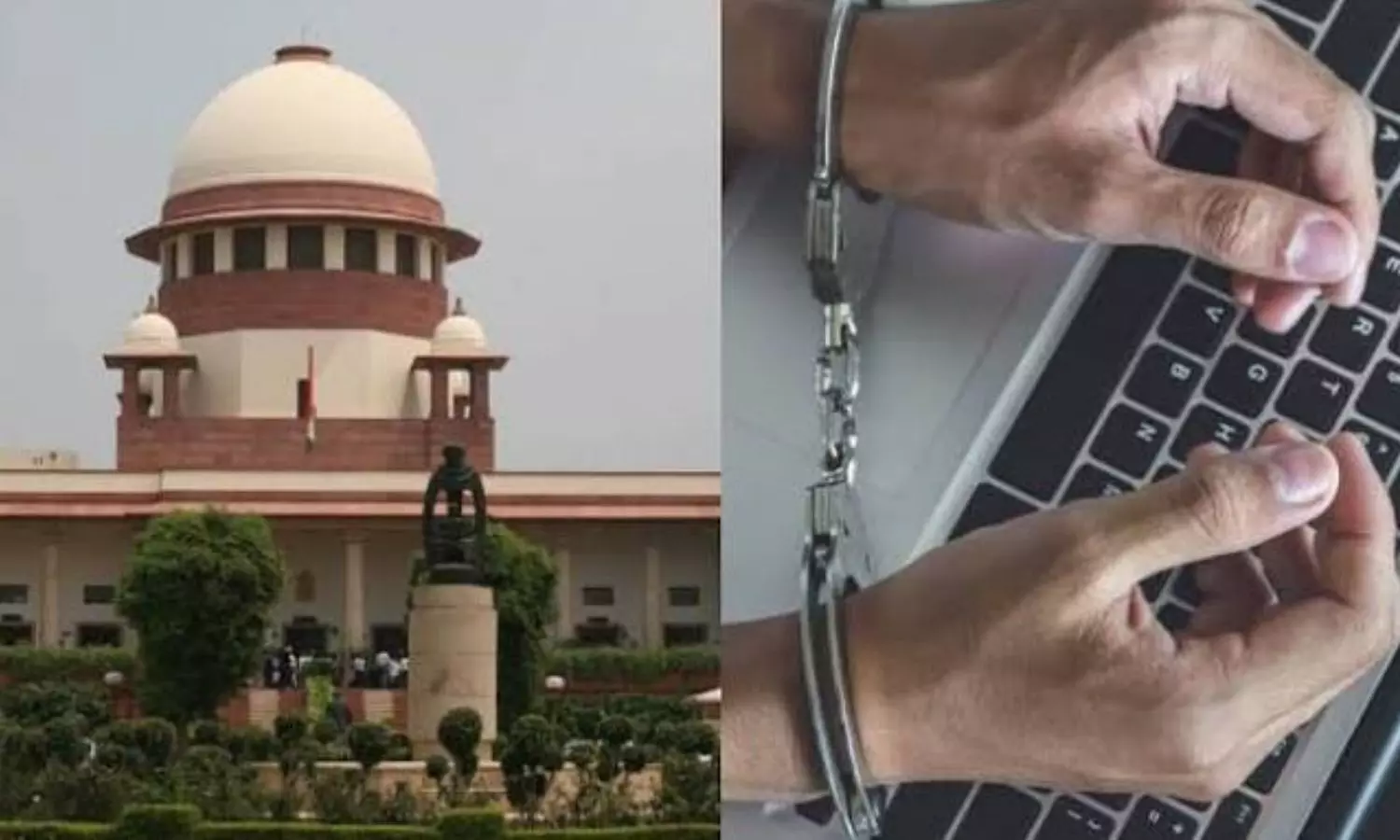
In cases where the lapses in banking result in a victim losing funds
Banks have a responsibility to pay for the losses incurred by digital fraud victims if they don't fulfill their due diligence duties, the Supreme Court said on Thursday. In cases where the lapses in banking result in a victim losing funds, the court stated that they should be compensated to at least the extent of their loss, the court said.
Chief Justice of India Surya Kant, along with Justices Joymalya Bagchi and V Mohana, said that there is a need for more robust safeguards for prevention of cyber fraud, especially the digital arrest scams. The court ordered unusual transactions be suspended, and that suspicious transactions be automatically reported and physically verified if needed.
In the hearing, Chief Justice Surya Kant asked how banks were not raising flags when someone made transactions that are deviating from the banking pattern of the customers. The abrupt removal of Rs 50,000 by one who had been withdrawing Rs 10,000 or Rs 20,000 should raise eyebrows, he said.
“It is your duty as bankers to protect victims,” the Chief Justice said, questioning the authorities responsible for ensuring adequate safeguards.
The bench said the proposed regulatory framework should clearly establish the responsibility of financial institutions to compensate customers when failures in due diligence contribute to fraudulent transactions. The court also indicated that banks could face prosecution in such cases.
“We are proposing to direct that wherever such fraud takes place, bank will compensate victim and suffer prosecution. It has to be done,” the CJI said.
Supreme Court Questions Digital Arrest Scams
The court also expressed concern over the continued prevalence of digital arrest scams, in which fraudsters impersonate law enforcement officials and intimidate victims into transferring money.
Chief Justice Surya Kant questioned how even educated people continued to fall for such schemes, highlighting the role of fear and intimidation in enabling the frauds.
The bench directed the Reserve Bank of India (RBI) to submit a list of all authorised financial institutions before the next hearing. It said the court could issue directions applicable to these institutions without requiring every individual bank to be made a party to the proceedings.
The court also sought details of the institutions that would fall under the proposed guidelines and the measures being considered to compensate victims. It emphasised that banks should alert nearby police stations about suspicious transactions involving customers who may be victims of digital arrest scams.
Digital Arrest Cases Down 50%, But Losses Remain High
The number of cases logged under digital arrest has decreased by around 50 per cent compared with last year, said the attorney general R Venkataramani, appearing before the court on behalf of the Centre and other authorities.
The decrease was caused by the action of the Supreme Court and cooperation with government departments and public awareness campaigns, he explained.
But, the Chief Justice pointed out that the country had already incurred losses of close to Rs 800 crore due to such fraud this year, despite the drop in the number of reported cases.
The bench identified bank accountability and the misuse of mule accounts as two key areas requiring further action. Mule accounts are bank accounts used to receive and transfer money obtained through criminal activities, often making it harder to trace the proceeds of cybercrime.
RBI's Proposed KYC Rules Under Scrutiny
The Supreme Court would consider the RBI's Know Your Customer (KYC) Amendment Directions, 2026, to determine if the directions offer adequate relief to victims in cases of financial institutions' failure to adhere to their due diligence norms.
The hearing is in the context of a PIL filed by the court of its own accord. The bench’s observations signal a push for stronger banking safeguards, clearer accountability and a more effective mechanism to protect customers from digital fraud.
Water, Water Everywhere: Srikakulam Villages Flooded
Rain alert issued to AP amid formation of new weather system in Bay of Bengal
‘Aage Badho, Daro Mat!’ Rahul’s Battle Cry for November 1 Rally
BJP Holds High-Level Huddle to Plan Rallies, Strategise for Polls
Heavy rain warning issued across Andhra Pradesh
Telangana likely to get rain and thunderstorm activity


