Election Commission Unveils 17 Reforms For Bihar Assembly Polls, To Serve As Model For Future Elections

The Election Commission has announced 17 key reforms for the upcoming Bihar Assembly elections, including mobile phone deposits, ID cards for booth officials, full webcasting, and colour photos on EVMs — all set to enhance transparency and later be adopted nationwide.
Chief Election Commissioner Gyanesh Kumar has announced 17 new electoral reforms ahead of the Bihar Assembly elections, describing the initiatives as both a step toward improving the electoral process in the state and a framework for future elections across India.
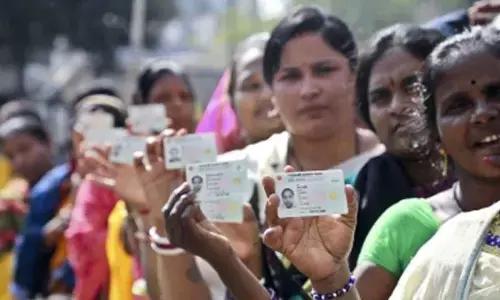
Speaking at a press conference in Patna, Kumar highlighted several major reforms, including a new Standard Operating Procedure (SOP) ensuring that Elector Photo Identity Cards (EPICs) are delivered within 15 days of voter registration. He also confirmed that voters would need to deposit their mobile phones outside polling booths to maintain the sanctity of the voting process.
Bihar will be the first state where each polling station will cater to fewer than 1,200 voters — a measure introduced to reduce waiting times and improve accessibility. This adjustment required the creation of 12,817 new polling stations, increasing the total count to 90,712.
Another notable change is the introduction of colour photographs and larger serial numbers on EVM ballot papers, replacing the black-and-white images that often made candidate identification difficult. The Chief Election Commissioner added that these changes will later be implemented across India.
In addition, booth-level officials will now carry identity cards for easier verification, and all polling stations in Bihar will be under full webcasting surveillance to enhance transparency.
The Commission has also refined the vote counting process. Any discrepancies between Form 17C and the EVM count will lead to specific VVPAT recounts instead of full-scale recounts. It is now mandatory to complete the counting of postal ballots before the final two rounds of EVM counting.
Kumar confirmed that elections in all 243 assembly constituencies — including 2 reserved for Scheduled Tribes and 38 for Scheduled Castes — will conclude before the current assembly’s term ends on November 22, 2025. The Special Intensive Revision (SIR) of electoral rolls, launched in June, has been completed on time.
He praised the people of Bihar and urged them to participate in the electoral process with the same enthusiasm as the state’s Chhath festival.
The announcement follows consultations with political parties, many of which requested that the elections be held immediately after Chhath. The Commission’s reforms, particularly the voter list revision, have drawn both praise and political debate as Bihar prepares for a crucial poll season.
Next Story