The Future of Moderation Jobs in an AI-First World
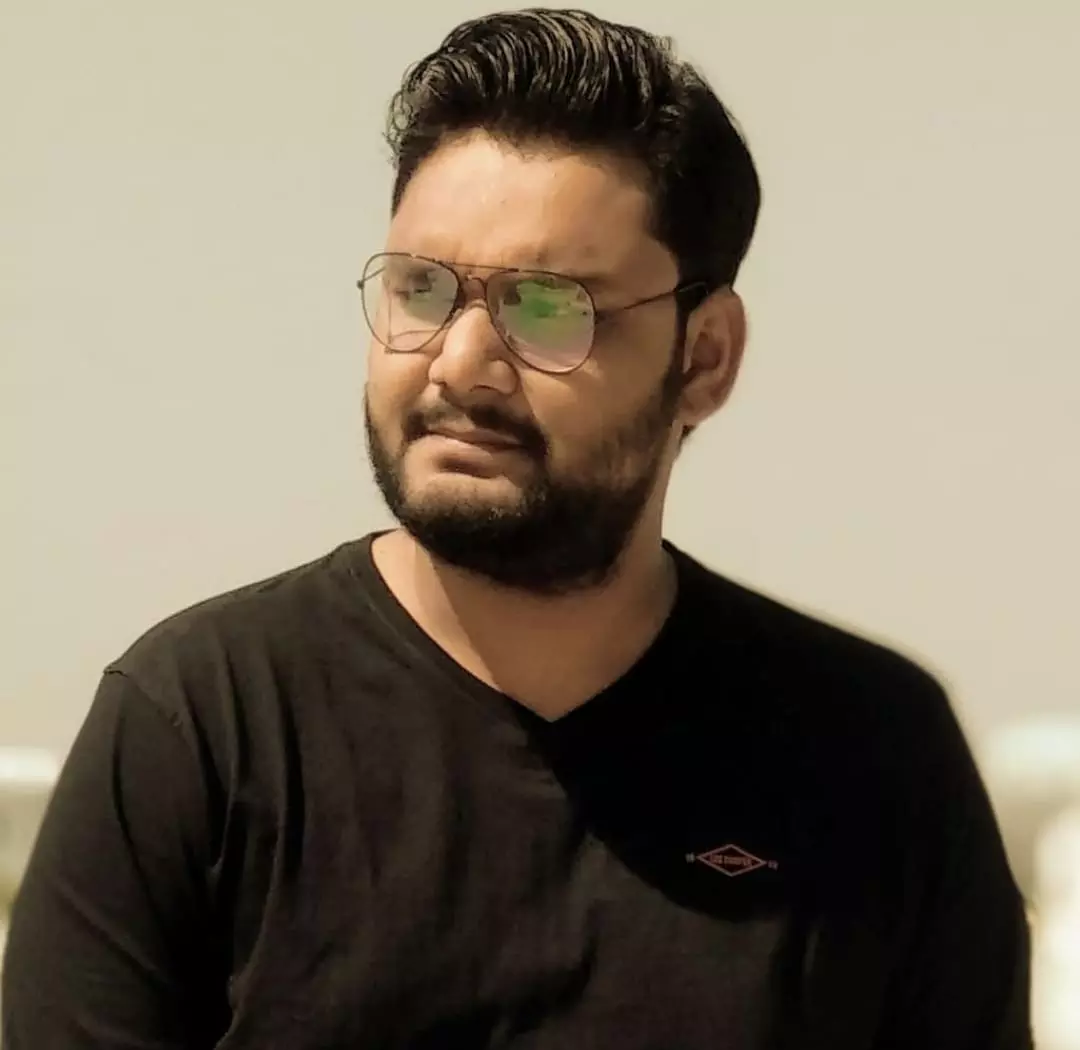
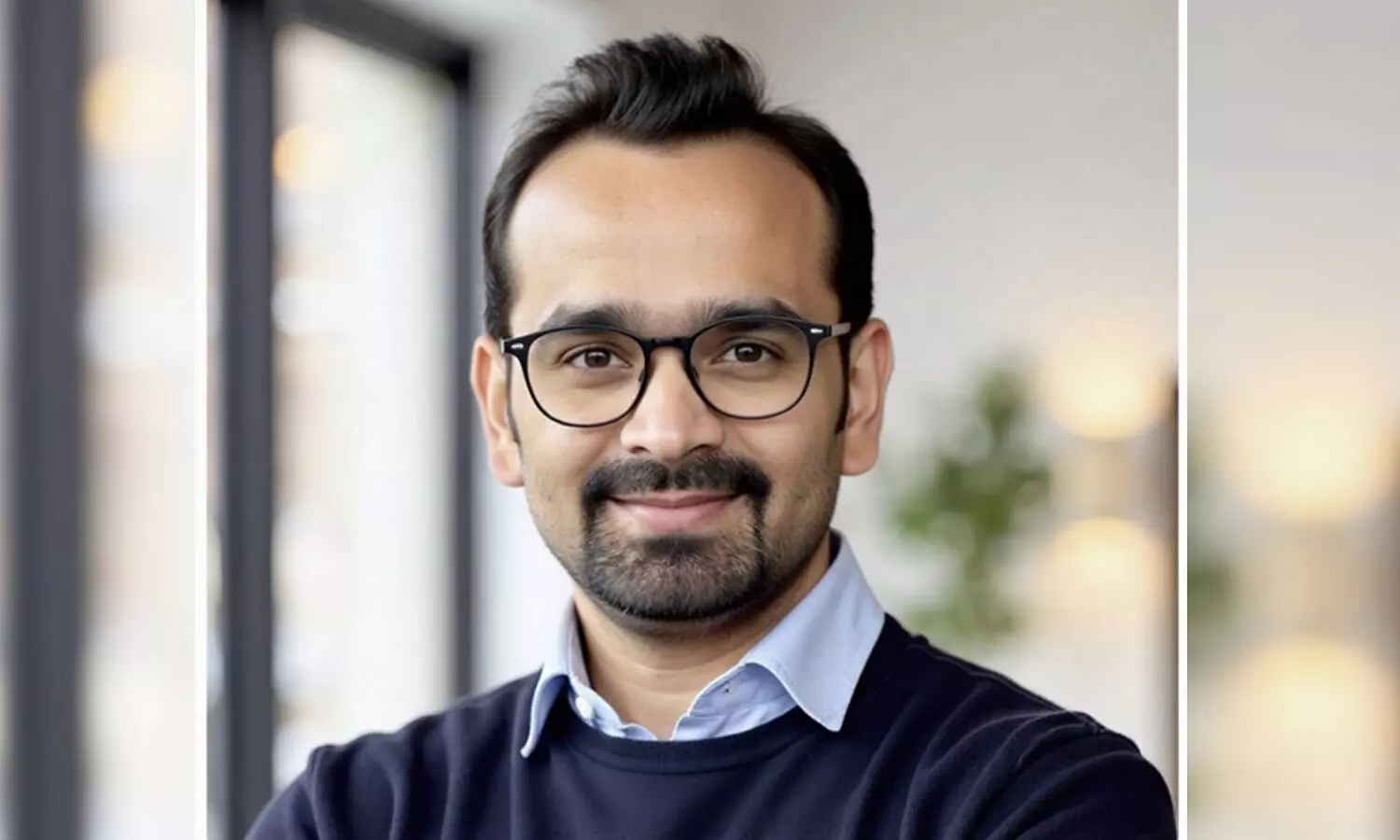
Online trust and safety is undergoing a quiet revolution, and analyst Rahul Dogra says AI is at the heart of it. Once reliant on armies of human moderators, the field is now being reshaped at unprecedented scale. The shift is redefining not just how harmful content is detected, but also the very roles of those who protect the digital public sphere
For more than a decade, online trust and safety has relied heavily on the careful judgment of human moderators. These invisible custodians of the internet have screened out hate speech, harassment, and misinformation, shaping digital spaces into places where billions could interact with some sense of security.
By early 2024, however, the field had reached a decisive turning point. Artificial intelligence, once a supporting technology, became the centerpiece of moderation strategies. As Rahul Dogra, an independent analyst of digital governance, observes, “We are watching AI move from the periphery to the core. The work of protecting the public sphere is no longer about thousands of humans scanning screens—it’s about machines filtering billions of signals in real time.”
In the European Union and Asia, the shift has been accelerated by regulatory pressure. The EU’s Digital Services Act, which came into force for very large platforms in February 2024, mandated rigorous risk assessments and verifiable harm reduction. Singapore’s Protection from Online Falsehoods and Manipulation Act tightened obligations to counter misinformation, while India’s revised IT Rules required faster takedowns of illegal content. “These frameworks don’t just ask for compliance,” Dogra explains. “They demand scale—and scale today means automation.”
Platforms have responded accordingly. Meta disclosed that by late 2023 its automated detection caught over 95 percent of hate speech on Facebook before a human saw it. YouTube reported that more than 90 percent of violating videos removed in 2023 were first flagged by AI. Regional leaders followed suit: ByteDance expanded its machine-learning filters to serve hundreds of millions of users across Asia.
The result has been a visible contraction in frontline moderation jobs. Yet, as Dogra stresses, “This is not the story of humans being replaced—it’s the story of humans being elevated.” As algorithms absorb repetitive tasks, people are moving into new, high-value functions: designing policy, auditing bias, and interpreting the cultural nuances machines cannot grasp.
Emerging roles such as AI risk analysts, algorithmic auditors, and cross-cultural policy strategists are now central to trust and safety teams. The United Nations’ 2023 Guidance on Generative AI reinforced the importance of human oversight, especially in high-impact decisions. “AI can flag patterns,” Dogra says, “but only humans can interpret meaning in contexts of politics, culture, or morality.”
Looking ahead, Dogra envisions a hybrid future. “We’re shifting from reactive moderation to proactive governance. Trust and safety will be about architecture, not firefighting,” he notes. Skills in data science, law, and intercultural communication will become as vital as the ability to judge a single post.
Rather than disappearing, Dogra argues, trust and safety careers are evolving into roles of institutional guardianship—positions that safeguard free expression while ensuring that digital ecosystems remain fair, resilient, and humane.