India–US Interim Trade Deal: Key Questions Explained Simply

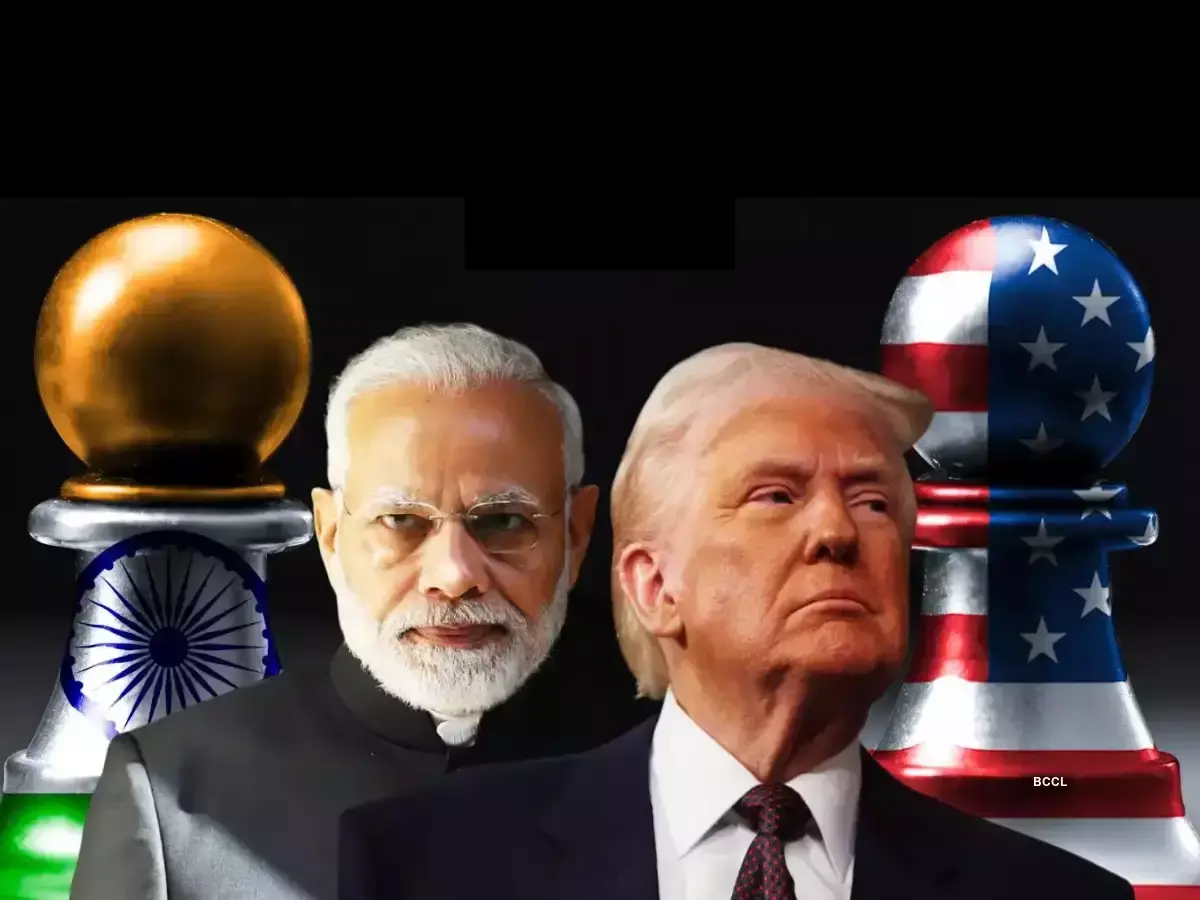
India–US interim trade deal explained in simple terms. Learn about tariff cuts, trade concerns, farmer reactions, Russian oil questions, and what the agreement means for India’s economy and global trade.
The India–US interim trade deal has caused a lot of talk in India. After more details came out, politicians, farmers, and experts shared their concerns. This deal is a part of usual talks between India and USA. It's extremely important global trade news.
In this deal, India says it will buy $500 billion worth of goods from the US over five years, like energy, planes, and technology. In return, the US will lower taxes on many Indian products, making them cheaper to sell in America.
India, however, will lower tariffs on nearly all US industrial goods and several agricultural products. Critics say this creates an uneven exchange, making the tariff reduction impact appear more favourable to the US. Supporters argue it will boost labour-intensive sectors and strengthen the economic partnership India US.
Another key issue in this trade deal analysis is Russian oil. While former US President Donald Trump claimed India would stop buying Russian oil, the joint statement does not confirm this. Indian officials say oil purchases depend on private companies, keeping international relations questions unresolved.
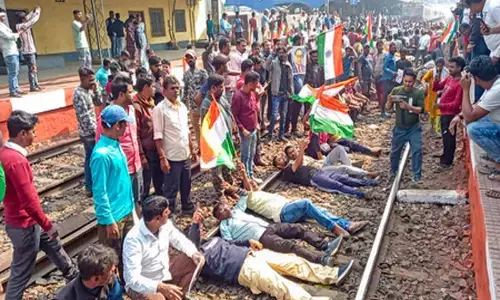
Farmers are worried the import export policy changes may hurt local agriculture by allowing cheaper US products into India. Farm unions fear income losses and have announced protests, making this one of the biggest trade policy questions.
Experts are not sure if India can really buy $500 billion worth of goods from the US, and they worry it could affect India’s trade balance. However, the stock market reacted positively. Many investors believe stronger India–US trade ties are good for India’s economy and could lead to long-term growth, even though some questions are still unanswered.