Modi Embarks On Critical Asia Tour Amid US Trade Tensions

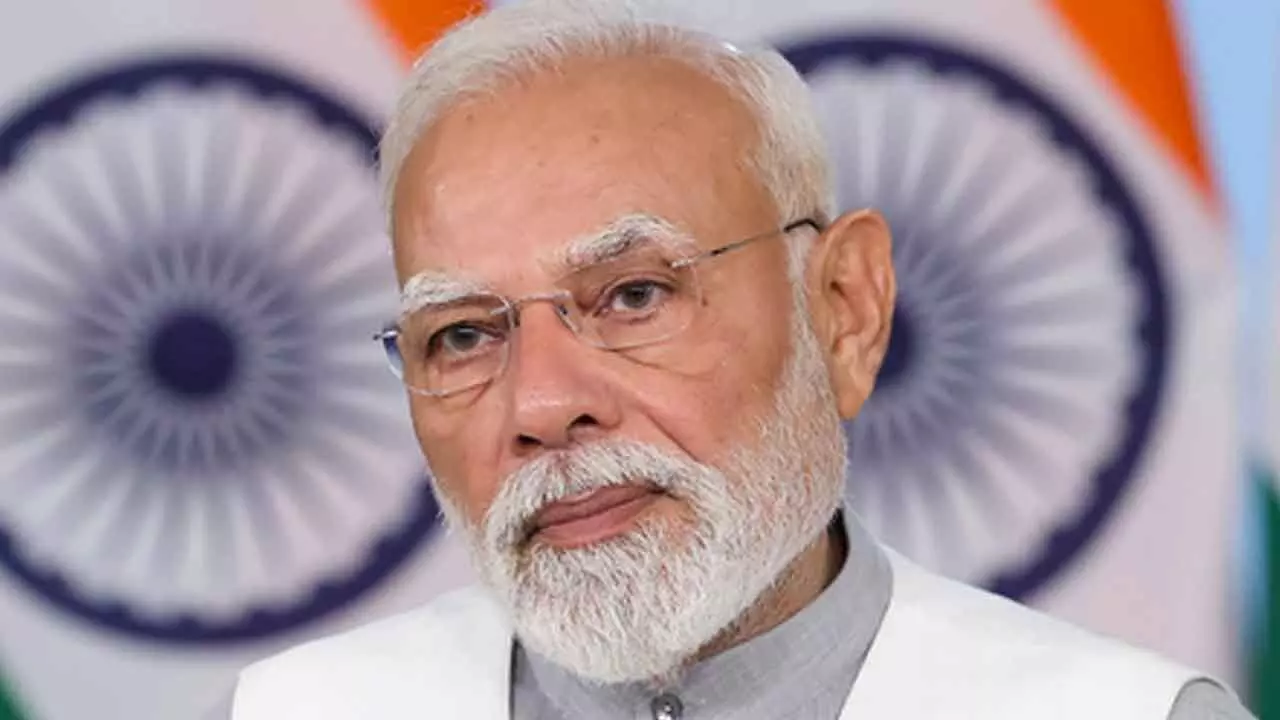
Prime Minister Modi travels to Japan and China for key diplomatic summits, meeting world leaders including Putin, Xi Jinping, and Pakistan's Sharif as India faces 50% US tariffs over Russian oil purchases.
Prime Minister Narendra Modi is undertaking a significant diplomatic journey to Asia this week, visiting Japan and China at a time when India faces mounting pressure from the United States over trade policies and energy purchases. The tour comes against the backdrop of newly implemented American tariffs that have doubled duties on Indian imports to 50 percent, creating an urgent need for India to strengthen relationships with alternative partners.
Modi's eastward diplomatic mission begins with his departure on Thursday evening for Japan, where he will remain until August 30 for the 15th India-Japan Annual Summit with Prime Minister Shigeru Ishiba. This marks the Indian leader's first standalone visit to Japan in nearly seven years and represents his inaugural annual summit meeting with Ishiba, making it a particularly significant diplomatic engagement between the two nations.
Foreign Secretary Vikram Misri has emphasized the importance of the Japan visit, describing it as an opportunity for both prime ministers to conduct an in-depth review of bilateral ties while exchanging views on regional and global issues of mutual importance. The meetings are expected to launch several new initiatives designed to build greater resilience in the relationship and address emerging opportunities and challenges facing both countries.
Following his Japan engagement, Modi will travel to China's Tianjin for the 25th meeting of the Heads of State of the Shanghai Cooperation Organization, scheduled for August 31 and September 1. This visit comes at the invitation of Chinese President Xi Jinping and will bring together leaders from ten member nations, including some of the world's most influential political figures under one roof.
The Shanghai Cooperation Organization summit will feature a remarkable gathering of global leaders, including Russian President Vladimir Putin and Pakistani Prime Minister Shehbaz Sharif. The presence of these leaders creates a unique diplomatic environment where Modi will have opportunities for multiple bilateral engagements, though officials are still finalizing the specific meeting arrangements and agendas.
The timing of Modi's encounter with Pakistani Prime Minister Sharif is particularly noteworthy, as it marks the first occasion since the India-Pakistan military conflict in May that both leaders will attend the same international event. This coincidence presents potential opportunities for diplomatic engagement, though no formal bilateral meetings between the two leaders have been confirmed at this stage.
Questions remain about whether Modi will hold bilateral discussions with Russian President Putin during the summit. When asked about potential meetings with the Russian leader, Foreign Secretary Misri indicated that finalization of such arrangements is still underway, promising to provide briefings on any proceedings that emerge from these engagements.
Modi's diplomatic tour occurs as India grapples with escalating trade tensions with the United States under President Donald Trump's administration. The American government has implemented a comprehensive tariff regime targeting Indian exports, with the most recent 25 percent increase specifically imposed as a penalty for India's continued purchase of discounted Russian oil. These additional duties, combined with existing tariffs, have created a 50 percent barrier on numerous Indian products entering the American market.
The American tariff strategy reflects Trump's "America First" agenda and his administration's broader approach to global trade relationships. The United States has cited unfair trade practices, lack of reciprocal market access, and India's energy relationship with Russia as justifications for these punitive measures. Interestingly, China, despite purchasing significantly more Russian oil than India, has not faced similar penalties specifically related to energy imports from Russia.
Against this challenging backdrop, Modi's visit to China takes on added significance as both nations seek to improve their historically complex relationship. The two Asian giants are actively working to thaw diplomatic ties, with resuming direct flights after a five-year gap being part of their broader reconciliation efforts. Additionally, India and China are engaged in discussions about easing various trade barriers, including the potential reopening of border trade at three strategic Himalayan crossing points.
The diplomatic initiatives between India and China represent a pragmatic approach to regional stability and economic cooperation, particularly important as both nations face external trade pressures from the United States. The Shanghai Cooperation Organization summit provides an ideal platform for advancing these bilateral discussions while also engaging with other regional powers on matters of mutual interest.
Modi's strategic timing for this Asian tour demonstrates India's commitment to diversifying its diplomatic and economic relationships in response to changing global dynamics. As traditional partnerships face new challenges, India is actively seeking to strengthen ties with regional partners and explore alternative frameworks for international cooperation that better serve its national interests and long-term strategic objectives.