Tamil Nadu forms panel on state autonomy

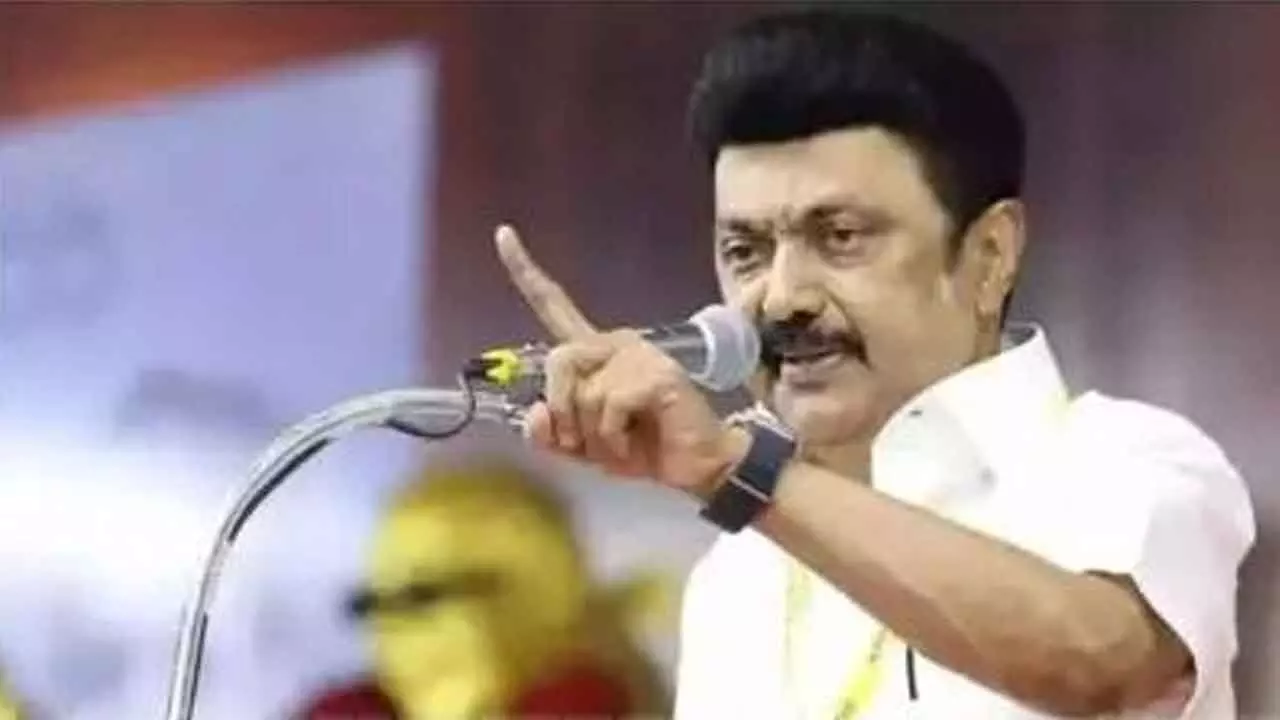
CM Stalin alleges encroachment of state rights by Centre
Chennai: Tamil Nadu Chief Minister MK Stalin on Tuesday announced the formation of a committee led by a retired Supreme Court judge to examine and recommend measures for the state's autonomy, alleging that the Centre was steadily encroaching upon the rights of states.
The committee, to be chaired by former Supreme Court judge Kurian Joseph, has been tasked with studying the Centre-state relationship in depth to safeguard the autonomy of states. Stalin informed the Assembly that an interim report would be presented by January 2026, with a final report expected within two years.
Other members of the panel include former IAS officer Ashok Vardhan Shetty and M Naganathan, who earlier served as the vice-chairman of the State Planning Commission.
"The committee will study, as per the law, to transfer those subjects that went from the State List to the Concurrent List," Stalin said, highlighting that the National Eligibility-cum-Entrance Test (NEET) currently lies outside the jurisdiction of state governments. The development assumes importance in the backdrop of the prolonged and intense conflict between the DMK-led Tamil Nadu government and the BJP-headed central government, particularly over education-related issues. This includes Tamil Nadu’s persistent demand for exemption from NEET — the centrally conducted entrance exam for medical courses — which it views as discriminatory.
The move also comes amid the ongoing friction between Stalin’s administration and Governor RN Ravi. Last week, the Supreme Court criticised the Governor for exceeding his constitutional authority by delaying action on 10 bills passed by the state legislature — some pending for as long as five years. The top court described Governor Ravi’s actions as “arbitrary” and “illegal."
Chief Minister Stalin, whose party has frequently accused the Governor of undermining the state’s developmental agenda, welcomed the Supreme Court’s ruling as a “historic” moment.
Several of the bills, now enacted into law, curtail the Governor’s role in the appointment of Vice-Chancellors to state-run universities — an area of contention.