Unmasking India’s Spy Scandals Linked To Pakistan

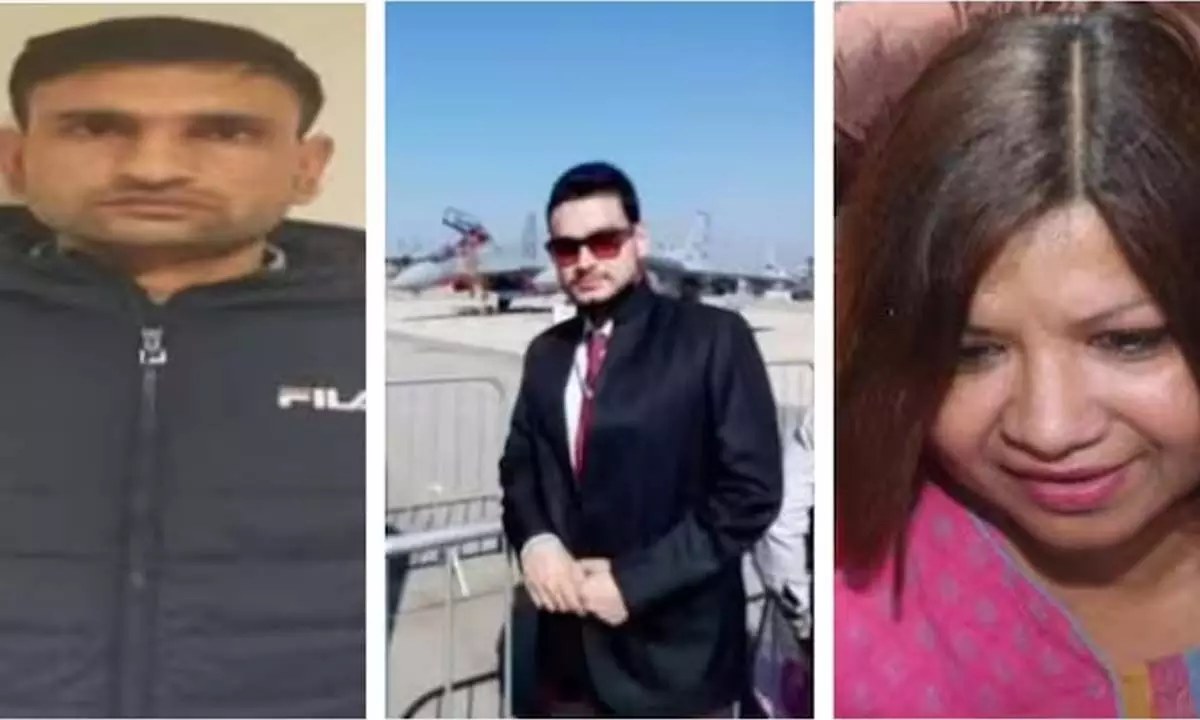
Following the Pahalgam terror attack, India intensifies its crackdown on espionage, arresting 11 individuals, including YouTuber Jyoti Malhotra, for allegedly spying for Pakistan’s ISI.
In the wake of the devastating Pahalgam terror attack that killed 26 civilians on April 22, 2025, Indian security agencies have ramped up efforts to dismantle espionage networks linked to Pakistan, resulting in the arrest of 11 individuals, including travel vlogger Jyoti Malhotra. This nationwide operation has exposed a series of high-profile spy scandals involving Indian nationals, from YouTubers to diplomats, who allegedly leaked sensitive information to Pakistan’s Inter-Services Intelligence (ISI), often through honey-trap schemes.
Jyoti Malhotra, a 33-year-old Haryana-based vlogger running the YouTube channel "Travel with Jo," was arrested on May 16, 2025, for suspected ISI espionage. Her frequent trips to Pakistan in 2023, 2024, and March 2025, along with her connections to a Pakistani High Commission official named Danish, are under scrutiny. Authorities suspect she was honey-trapped and motivated by views and financial gains, as her travel expenses exceeded her known income.
Satendra Siwal, an Indian Embassy staff member in Moscow since 2021, was arrested in February 2024 by the Uttar Pradesh ATS for leaking classified Indian Air Force and Navy documents. Honey-trapped via social media by a woman posing as 'Pooja Mehra,' Siwal was charged under the Government Secrets Act of 1923. Similarly, DRDO scientist Pradeep Kurulkar was arrested in May 2023 for sharing sensitive information with a Pakistani operative via WhatsApp, leading to his dismissal and ongoing judicial custody in Pune.
BrahMos engineer Nishant Agrawal, arrested in 2018, was sentenced to life imprisonment in June 2024 for leaking missile-related secrets to the ISI after being honey-trapped online. Indian Foreign Service officer Madhuri Gupta, stationed in Islamabad, was arrested in 2010 for passing information to ISI officials. Convicted in 2018, she received a three-year sentence but maintained her innocence until her death in 2021. Additionally, a 1990s case involved an Indian naval attaché in Islamabad who was blackmailed by the ISI through a romantic liaison, forcing his resignation after returning to Delhi. These cases highlight the persistent threat of espionage targeting India’s sensitive sectors.