Google Pixel Flight Risk Becomes Apple’s iPhone 17 Advantage

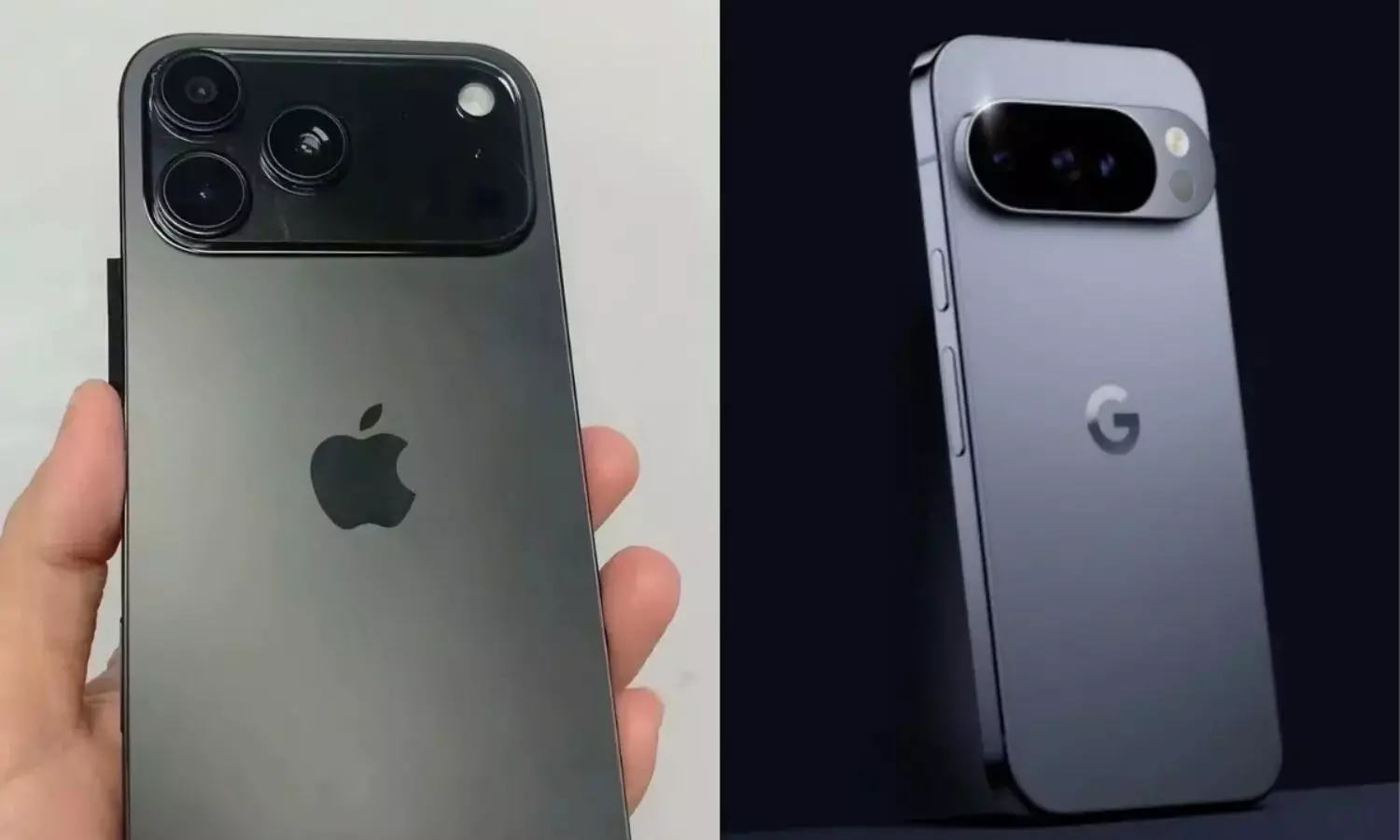
Apple iPhone 17 gains advantage in 2025 as Google Pixel faces high flight risk, driving a major smartphone rivalry and Pixel market share loss.
The launch of the Apple iPhone 17 is shaping up to be less about features and more about deals, according to a Recon Analytics survey of nearly 10,000 U.S. smartphone users. The data highlights how carrier promotions, not phone technology, drive most sales. This creates a unique situation in the iPhone 17 vs Pixel 2025 smartphone rivalry.
The survey shows that 21.5% of consumers plan to buy the iPhone 17, but most are motivated by affordable offers like “under $15/month” plans or free phones from carriers. Apple depends heavily on AT&T, T-Mobile, and Verizon to boost sales, making carriers the real “kingmakers.”
However, Apple also faces an “upgrade problem.” More than half (53.3%) of current iPhone owners don’t plan to switch to the iPhone 17, while 28.8% say they will, and 17.8% are unsure. This means Apple must push harder to convince its own customers.
Where Apple finds its biggest chance is in Android’s scattered user base. The survey reveals a clear Google Pixel flight risk almost one in four Pixel users (24.5%) plan to move to Apple’s iPhone 17. This high churn suggests the Pixel is failing to hold long-term loyalty. Instead of staying with Google, many Pixel owners see the device as a temporary step before entering Apple’s ecosystem.
Other Android brands face challenges too. Motorola shows a 14.9% loss risk, while Samsung performs better with only 12.8% of users planning to switch, proving its ecosystem of watches, earbuds, and other devices helps retain customers.
In short, Google risks a Pixel market share loss, while Apple is positioned to win—if it leverages deals and targets Pixel users. For 2025, the smartphone rivalry Apple Google will be defined by promotions, customer churn, and who adapts fastest.