Microsoft Eases Windows Updates, Restores Taskbar Flexibility in Upcoming Insider Builds

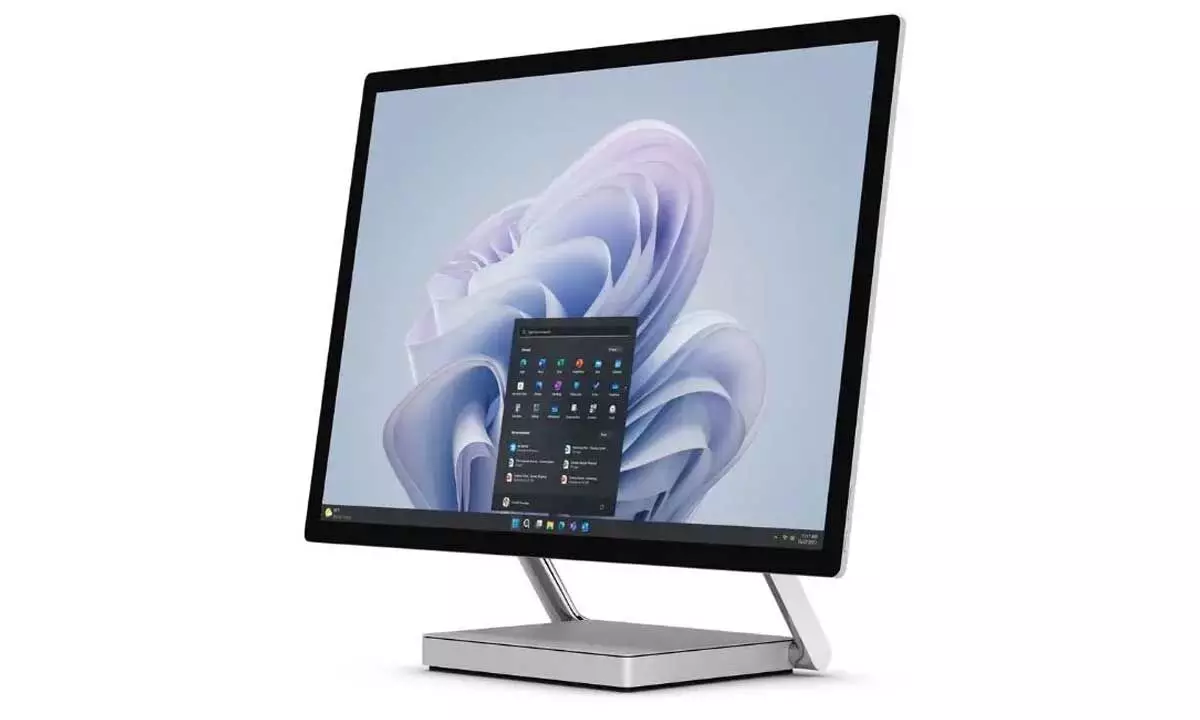
Microsoft plans smoother updates, taskbar freedom, faster File Explorer, and quieter widgets to make Windows simpler and less intrusive.
In a move aimed at improving everyday user experience, Microsoft has announced a set of upcoming enhancements for Windows 11 that focus on reducing update disruptions, restoring popular customization options, and improving system performance. These changes will arrive through upcoming beta releases in the Windows Insider Program scheduled for rollout later this month and through April.
One of the most notable updates addresses a long-standing user frustration: forced system updates. Microsoft said it is making changes to reduce disruption from Windows updates, including options to skip updates during device setup, restart or shut down without installing updates, and pause updates for longer periods, along with fewer automatic restarts and notifications. The change gives users greater control over when and how updates occur, rather than being compelled to install them during inconvenient moments.
Another highly requested feature making a comeback is taskbar repositioning. Microsoft said it will introduce more taskbar customisation options, including support for vertical and top positions, allowing users to reposition it based on preference. This flexibility was available in earlier Windows versions but was removed when Windows 11 launched in 2021, drawing criticism from power users and multitaskers who prefer alternative screen layouts.
The company is also refining how artificial intelligence appears across the operating system. Microsoft said it is refining how Copilot is integrated across Windows, with a more selective approach and reduced presence in apps such as Snipping Tool, Photos, Widgets and Notepad. The adjustment suggests Microsoft is aiming for a less intrusive AI experience, focusing on usefulness rather than visibility.
Performance improvements are also on the way for core system tools. Microsoft said it is working on improvements to File Explorer, focusing on faster launch times, reduced flicker, smoother navigation and more consistent performance for everyday tasks. Since File Explorer is one of the most frequently used components in Windows, even minor speed and stability gains can significantly enhance productivity.
Users who rely on widgets will also gain more control over how information appears. Microsoft said it will introduce more control over widgets and feed experiences, including quieter defaults, improved personalisation and options to manage when and how widgets appear. The goal is to reduce distractions while still keeping useful updates accessible.
Beyond features, Microsoft is simplifying how users engage with preview builds. The company said it is also updating the Windows Insider Program to make it easier to navigate, with clearer channel definitions, improved access to features, better build quality and more visibility into how user feedback is used.
Additionally, Microsoft has started rolling out an updated Feedback Hub to Insider users, featuring a redesigned interface aimed at making it easier to submit feedback and engage with the community.
Together, these updates signal Microsoft’s push to make Windows more user-friendly, customizable, and performance-focused while keeping advanced tools accessible to enthusiasts and everyday users alike.