Centre Plans Gradual Withdrawal from NIRDPR, Raising Concerns Over Autonomy and Funding

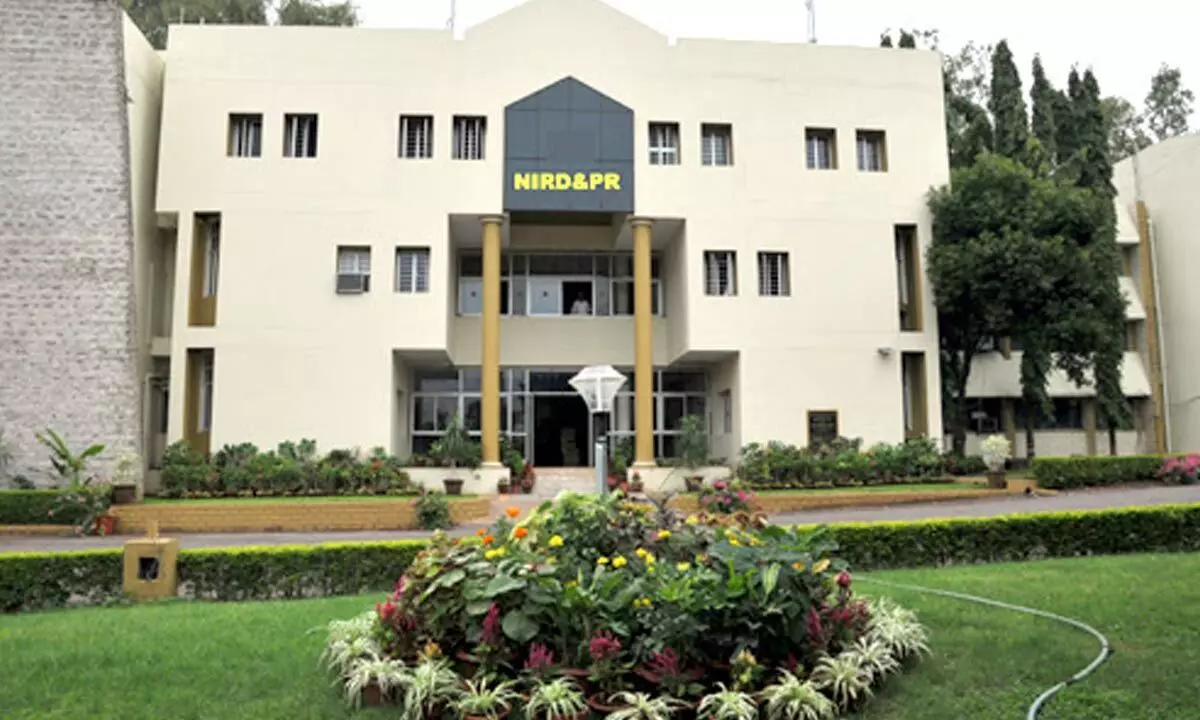
Centre Plans Gradual Withdrawal from NIRDPR, Raising Concerns Over Autonomy and FundingThe Union Government is considering a phased disengagement of the National Institute of Rural Development and Panchayati Raj (NIRDPR) from the Ministry of Rural Development (MoRD), a move that has sparked concerns about its future autonomy and financial sustainability.
Centre Plans Gradual Withdrawal from NIRDPR, Raising Concerns Over Autonomy and FundingThe Union Government is considering a phased disengagement of the National Institute of Rural Development and Panchayati Raj (NIRDPR) from the Ministry of Rural Development (MoRD), a move that has sparked concerns about its future autonomy and financial sustainability.
Minister of State for Rural Development Kamlesh Paswan confirmed the proposal while responding to a parliamentary question from Hyderabad MP Asaduddin Owaisi. Owaisi sought clarification on whether the government intends to privatise the institute and the rationale behind reducing its financial and administrative ties with the ministry.
Paswan stated that the plan aims to transform NIRDPR into a self-sustaining centre of excellence or a deemed university focusing on training and research in rural development. However, details about stakeholder consultations and the impact on employees and pensioners remain unclear. According to a study by the Administrative Staff College of India, NIRDPR currently employs 221 staff members and has 331 pensioners.
Founded in Mussoorie in 1958 as the National Institute for Community Development, the institute was relocated to Hyderabad in 1965 and renamed the National Institute for Rural Development in 1977. It has played a key role in shaping rural development policies and training government officials.
Concerns Over Vacancies in ASI
In a separate query, Owaisi also questioned the Ministry of Culture about staff shortages in the Archaeological Survey of India (ASI). Union Culture and Tourism Minister Gajendra Singh Shekhawat revealed that out of 8,755 sanctioned positions across various ASI divisions, 3,203 remain vacant—most of them (2,888) in Group C roles. The average duration of these vacancies is around two years.
The ASI’s Hyderabad Circle manages several key heritage sites, including Charminar, Golconda Fort, Warangal Fort, and the UNESCO-listed Ramappa Temple. Persistent staffing shortages raise concerns about the preservation and maintenance of these historically significant monuments.
As the Centre moves forward with its plans for NIRDPR, the potential impact on rural development initiatives remains uncertain. Similarly, the staffing crisis in ASI underscores the need for urgent recruitment efforts to safeguard India’s rich cultural heritage.
ReplyForward |