FGG red flags govt’s doling out freebies to people in TG

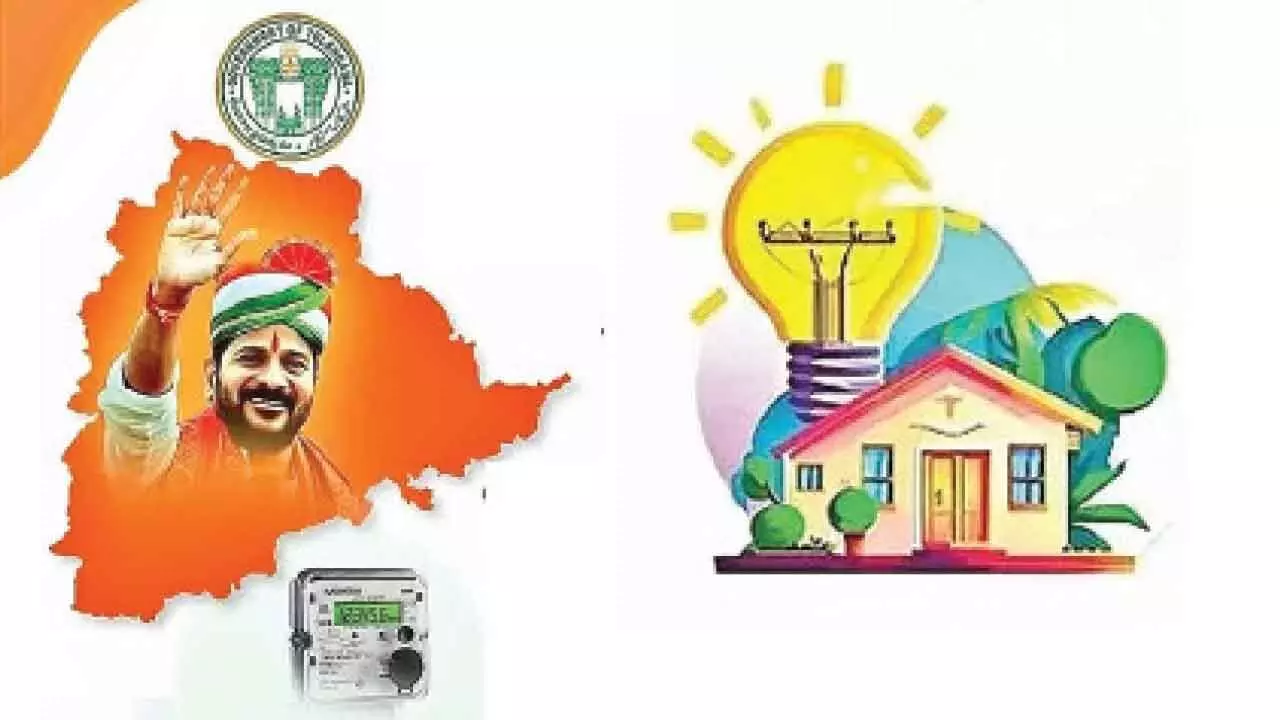
M Padmanabha Reddy urges Chief Minister to overhaul Gruha Jyothi scheme to prevent financial ruin and social stagnation in Telangana
Hyderabad: The Forum for Good Governance (FGG) on Wednesday called upon Chief Minister A Revanth Reddy to review the Gruha Jyothi scheme, asserting that extensive freebies are placing an immense burden on the state exchequer and discouraging productivity.
The FGG noted that free electricity is already provided to 25 lakh agricultural pump sets, a policy that has shifted cropping patterns away from millets and vegetables towards water-intensive paddy. While Telangana has become a top paddy producer, the FGG warned that this has depleted groundwater levels significantly. The forum suggested that free power should be restricted to two pump sets per farmer, with additional usage being charged.
Currently, power distribution companies (Discoms) are facing severe debt due to the cost of these subsidies. FGG president M Padmanabha Reddy highlighted that the recently introduced Gruha Jyothi scheme provides free electricity to anyone consuming under 200 units, regardless of their financial status.
With approximately 40 lakh families expected to benefit, the scheme is projected to cost the government Rs 5,500 crore annually. The FGG argued that many beneficiaries already own pucca houses, two-wheelers, and electronic appliances, making the gesture “good politics but bad economics.”
The forum expressed concern that spending on such welfare distributions has starved essential sectors like education, health, and employment. Furthermore, the FGG claimed that large-scale freebies have led to a reliance on migrant labour in agriculture and industry, as local workers opt out of the workforce.
The money saved by citizens, according to the forum, is often diverted to alcohol, thereby increasing excise revenue but harming social welfare. The FGG has requested the Chief Minister to revisit the scheme and fix strict eligibility criteria to ensure only the truly poor receive assistance.