Common Myths About Coworking Spaces: Debunked

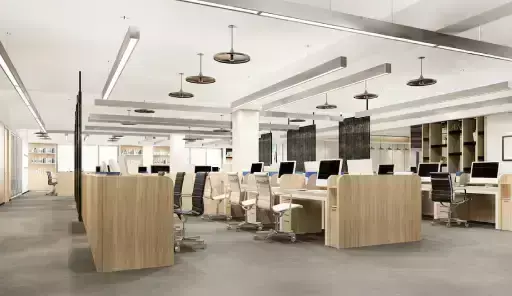
Think coworking spaces are noisy or unprofessional? Discover the truth as we debunk common myths about coworking and flexible workspaces.
Coworking spaces have transformed the modern work landscape, offering flexible and collaborative environments for a diverse range of professionals. However, several misconceptions persist, deterring potential users from experiencing their benefits. Let's address and debunk these common myths to provide a clearer understanding of what coworking spaces truly offer.
Myth 1: Coworking Spaces Are Only for Freelancers and Startups
While coworking spaces initially gained popularity among freelancers and startups, they have evolved to accommodate a broader spectrum of professionals. Today, large corporations, remote employees, and small to medium-sized enterprises utilize office space for their flexibility and networking opportunities. Companies like Microsoft and IBM have incorporated coworking spaces into their operations to foster innovation and collaboration.
Myth 2: Coworking Spaces Are Noisy and Distracting
A common concern is that coworking environments are too noisy for focused work. In reality, many coworking spaces are designed with various zones to cater to different work styles, including quiet areas, private offices, and soundproof meeting rooms. Members can choose spaces that suit their need for concentration or collaboration.
Myth 3: Coworking Spaces Are Expensive
Contrary to the belief that coworking spaces are costly, they often provide a more economical alternative to traditional office leases. With amenities like high-speed internet, office furniture, and utilities included, businesses can reduce overhead costs. Additionally, flexible membership plans allow users to pay only for the space and services they need.
Myth 4: Coworking Spaces Lack Privacy
Privacy concerns are valid, but modern coworking spaces address this by offering private offices, dedicated desks, and meeting rooms. These options ensure that individuals and teams can work confidentially when necessary. Furthermore, many spaces implement access controls and privacy policies to protect members' information.
Myth 5: Coworking Spaces Are Only in Big Cities
While coworking spaces originated in urban centers, their presence has expanded to suburban and rural areas. This growth caters to professionals seeking flexible workspaces closer to home, reducing commute times and supporting local economies. The demand for such spaces has led to their proliferation beyond major metropolitan areas.
Myth 6: Coworking Spaces Are Just Like Coffee Shops
Although both offer alternative work environments, coworking spaces provide professional amenities that coffee shops lack. These include reliable internet, office equipment, meeting rooms, and a community of professionals. Coworking spaces are designed to enhance productivity, whereas coffee shops are primarily social venues.
Myth 7: Coworking Spaces Are Only for Extroverts
It's a misconception that coworking spaces only benefit extroverted individuals. These environments offer various settings, from communal areas to quiet zones, accommodating different personality types and work preferences. Introverts can enjoy the flexibility to engage with others when desired or focus independently.
Myth 8: Coworking Spaces Are a Passing Trend
The growth of coworking spaces indicates a lasting shift in work culture rather than a fleeting trend. With the rise of remote work and the gig economy, the demand for flexible meeting room conference room and collaborative workspaces continues to increase. Industry reports project sustained growth in the coworking sector globally.
Myth 9: Coworking Spaces Don't Support Work-Life Balance
Some believe that coworking spaces blur the lines between work and personal life. However, these spaces often promote work-life balance by providing structured environments separate from home, reducing domestic distractions. Many also offer wellness programs and social events to support members' overall well-being.
Myth 10: Coworking Spaces Are All the Same
Coworking spaces vary widely in design, culture, and services offered. Some cater to specific industries or communities, providing tailored resources and networking opportunities. It's essential to explore different spaces to find one that aligns with your professional needs and preferences.
FAQs
Q1: Are coworking spaces suitable for large teams?
Yes, many coworking spaces offer scalable solutions, including private offices and dedicated areas, to accommodate teams of various sizes.
Q2: Can I host client meetings in a coworking space?
Absolutely. Most coworking spaces provide meeting rooms equipped with necessary amenities for professional presentations and discussions.
Q3: Do coworking spaces offer 24/7 access?
Many coworking spaces offer round-the-clock access to accommodate different work schedules, but it's best to check with individual providers.
As the demand for flexible and collaborative work environments continues to grow, it’s clear that coworking spaces are no longer just a trend—they’re becoming a preferred choice for startups, freelancers, and even established companies. For teams looking to experience these benefits firsthand, choosing the right workspace matters. If you’re exploring a coworking space in Hyderabad, platforms like Growork offer thoughtfully designed environments that combine productivity, community, and convenience, helping businesses break away from myths and embrace a smarter way of working.