Gokul Subramanian: Redefining Data Leadership
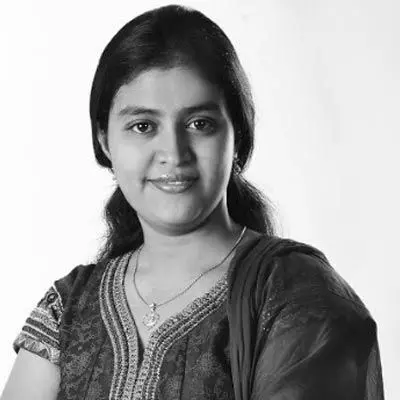
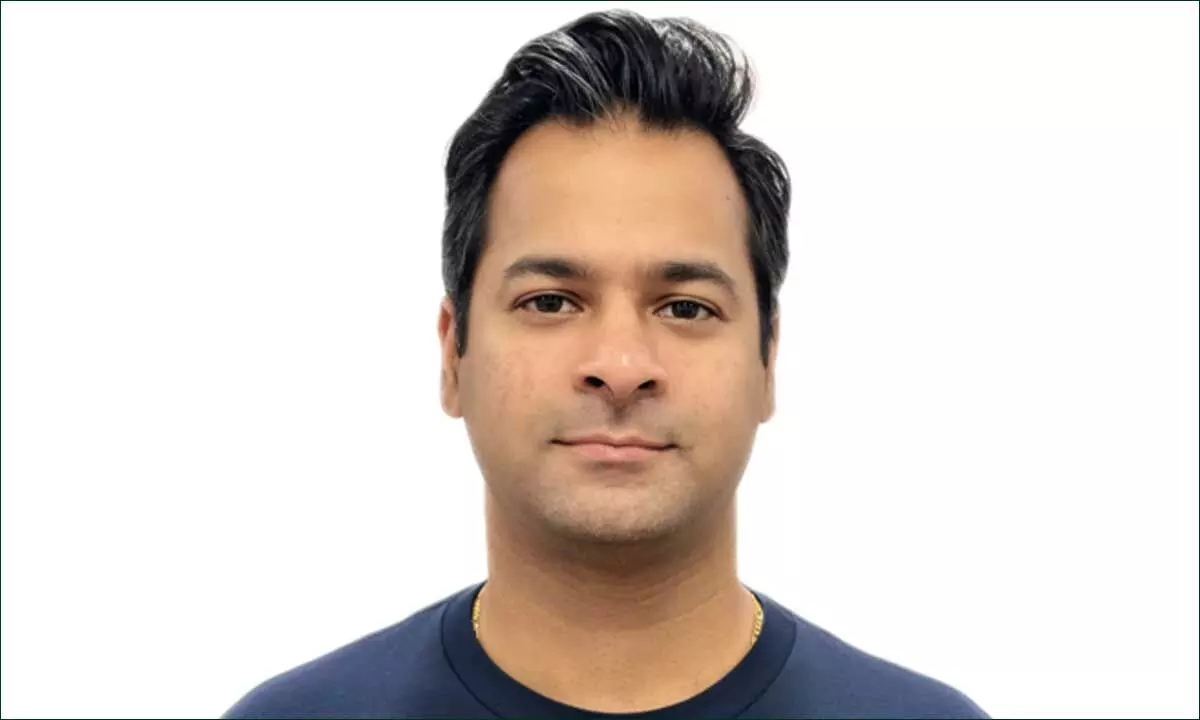
Gokul Subramanian is a visionary leader with over 18 years of experience in data management, driving business transformation through strategic, data-driven insights. His expertise spans across healthcare and technology sectors, where he has successfully implemented cutting-edge data solutions to enhance operational efficiency
Gokul Subramanian’s journey in the field of data management is one defined by visionary leadership and a profound understanding of how data can drive business transformation. With over 18 years of experience, Gokul has become a prominent figure in the technology and healthcare sectors, demonstrating his ability to turn data into actionable insights that fuel organisational growth. His passion for data, cultivated during his engineering studies, has guided him throughout his career. "I’ve always been fascinated by how data, when used correctly, can solve some of the most complex problems businesses face. From the very beginning, I knew that this would be the area where I could make the most impact," he reflects.
Gokul's career trajectory has been shaped by his deep understanding of how data can align with broader business goals. He emphasises the importance of collaboration between technical teams and executive leadership to ensure that data initiatives drive tangible business outcomes. “It’s not just about having the right data; it’s about ensuring that data is strategically aligned with the company’s long-term vision. I work closely with executive leadership to make sure our data strategies are integrated into every layer of the business,” he explains.
His approach to data governance, particularly his work on Azure, has been a cornerstone of his leadership philosophy. By implementing a robust data governance framework, Gokul ensured smoother collaboration between teams and better efficiency in project delivery. “Governance is key to unlocking the full potential of data,” Gokul notes. “Without clear roles, defined processes, and strong communication channels, even the best technology will fail to deliver its promise.” This philosophy of governance has enabled him to make significant strides in promoting data stewardship throughout organisations.
One of Gokul’s standout achievements is his leadership in the development of a comprehensive data operating model on Azure. This initiative streamlined internal processes, making it easier for teams to leverage data independently and reducing operational costs by 35%. “The ability to provide teams with the autonomy to analyse and interpret data themselves has been a game-changer,” he shares. “Empowering individuals to make decisions based on data not only accelerates processes but also fosters a culture of informed decision-making across the organisation.”
In addition to his technical expertise, Gokul places significant emphasis on the importance of soft skills, particularly the ability to communicate complex data concepts to non-technical stakeholders. “The ability to translate complex data into something actionable for business leaders is one of the most valuable skills in this field,” he says. "Being able to break down technical language and present it in a way that is understandable and relatable is crucial to gaining support for data initiatives."
Looking toward the future, Gokul is excited about the transformative potential of AI in data management. He has firsthand experience in leveraging AI to improve operational efficiency, such as in the development of AI-driven clinical authorisation systems. "AI is no longer a futuristic concept; it’s already changing the way we approach data. In healthcare, for example, AI has drastically reduced lead times, helping organisations become more agile and responsive," Gokul explains. He is confident that organisations that successfully integrate AI into their data strategies will be able to maintain a competitive edge.
Innovation and adaptability are central to Gokul’s leadership philosophy. "I encourage my teams to continuously learn, experiment, and push boundaries. The landscape is constantly evolving, and staying ahead of the curve requires a commitment to innovation," he says. Fostering an environment of open dialogue and creative problem-solving is something Gokul holds in high regard, as he believes it is essential for sparking new ideas.
To measure the success of data initiatives, Gokul takes a holistic approach, combining quantitative metrics with qualitative feedback. "We look at KPIs like cost savings, time-to-market, and user adoption rates, but we also consider the experiences and perspectives of stakeholders," he notes. "This helps ensure we’re not only achieving the right numbers but also that our solutions are making a real, positive impact across the organisation."
As data volumes continue to rise, Gokul anticipates challenges around data privacy, security, and compliance. He believes organisations must invest in new technologies, prioritise workforce upskilling, and maintain strong governance frameworks to address these challenges effectively. "We are entering a new era of data, where privacy and security will be at the forefront. Organisations need to be proactive, ensuring they have the tools and practices in place to manage this increased responsibility," he advises.
For aspiring data professionals, Gokul stresses the importance of developing a strong technical foundation while also building business acumen. “It’s essential to understand both the technical and business sides of data. Having a holistic view of how data impacts the bottom line can help you create solutions that truly drive value,” he suggests. Additionally, he encourages future leaders to actively engage with the data community through mentorship and networking, viewing continuous learning as an essential part of growing in this ever-evolving field.
In his journey, Gokul Subramanian has redefined what it means to lead in the world of data. His work continues to influence how organisations leverage data to transform their operations, drive innovation, and stay competitive in a rapidly changing world.