Pioneering Neural Technologies: Nishit Agarwal's Journey Through Biomedical Innovation
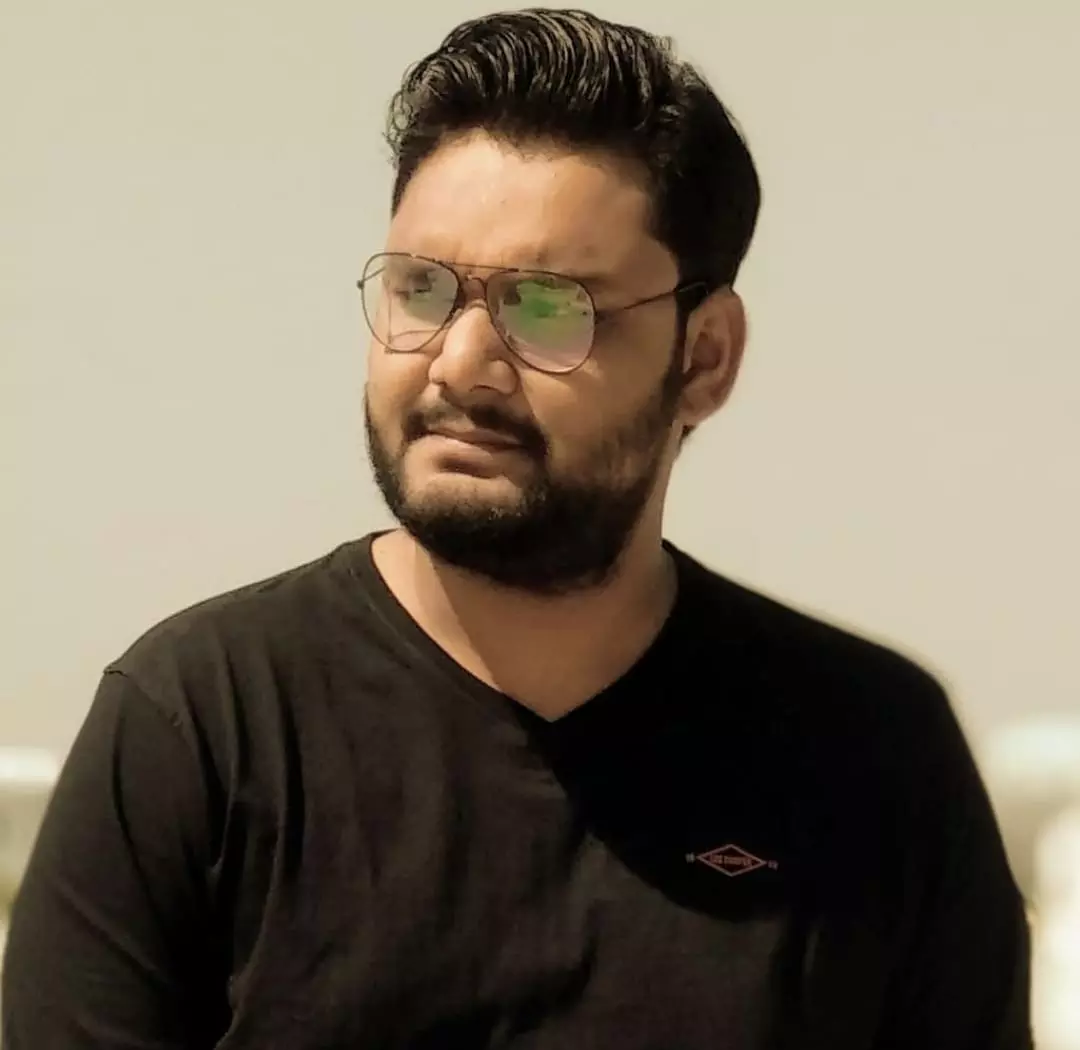

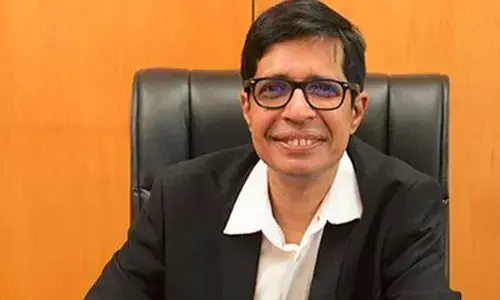
In an exclusive interview, Senior Data Science Engineer Nishit Agarwal shares insights into his groundbreaking work at the intersection of AI and bioengineering.
In an exclusive interview, Senior Data Science Engineer Nishit Agarwal shares insights into his groundbreaking work at the intersection of AI and bioengineering. From developing advanced biomarkers and neural interfaces to revolutionizing rehabilitation assessments and non-invasive diagnostics, he discusses how technology is reshaping healthcare for improved precision, efficiency, and patient outcomes.
You have an extensive background in bioengineering and data science. How did your journey in this field begin?
My journey started with an engineering foundation—bioengineering at Northeastern University and electrical engineering at Mahindra Ecole Centrale. I was always fascinated by how technology can enhance our understanding of human biology. This curiosity led me to explore neural interfaces, biomarker development, and artificial intelligence applications in healthcare. Over time, I realized that bridging biological signals with machine learning solutions could revolutionize medical diagnostics and patient care.
You’ve worked on several groundbreaking projects. Could you share some insights into your work on biomarker technology?
At a leading healthcare technology firm, I focused on developing biomarkers that provide deeper insights into physiological responses. One of my major contributions was integrating accelerometer and ECG cardiac data to create more reliable functional capacity tests. This approach improved patient assessments, making clinical research data collection more accurate. The project involved extensive research documentation, which played a crucial role in navigating academic publications, patent filings, and FDA approval processes.
Your work in muscle function recovery has also been notable. How has AI contributed to this field?
AI has been instrumental in refining rehabilitation assessments. I developed frameworks to analyze muscle dynamics using EMG and accelerometer data, allowing researchers to track recovery patterns with higher precision. By creating comprehensive data pipelines, we were able to quantify muscle activity more effectively. This led to improved rehabilitation strategies and ultimately better patient outcomes.
You have also been involved in scaling data engineering pipelines. How does this impact healthcare technology?
Research innovation is valuable only when it can be practically implemented. My role involved ensuring that biomarker development advances could be deployed in real-world clinical settings. I collaborated closely with software teams to build scalable data pipelines. Additionally, I worked on developing AI-powered chatbots for data review and explored Large Language Models (LLMs) for advanced data analysis. These initiatives have streamlined data interpretation and improved efficiency in clinical research.
During your time at a neurotechnology firm, you worked on EEG signal processing. What were the key breakthroughs?
One of the highlights was developing a Python package for EEG signal quality assessment. This was a crucial step in improving the reliability of brain-computer interface (BCI) applications. I also implemented artifact correction methods using blind source separation, enhancing neural signal analysis under real-world conditions. Another major achievement was validating an EEG-based focus estimation algorithm, proving the effectiveness of dry EEG headphones in practical applications.
At Nadipulse Prognostics, you integrated traditional medicine with AI. How did that project unfold?
It was a unique experience working under the guidance of Dr. Vasant Lad. We developed a signal processing pipeline to detect and classify pulse patterns using wearable PPG sensors. By incorporating convolutional neural networks for motion artifact rejection, we achieved an 82% accuracy rate in distinguishing diabetic patients from healthy individuals. This project demonstrated the potential of combining AI with ancient Indian medical principles to create non-invasive diagnostic tools.
What’s next for you in the field of AI and bioengineering?
My goal is to continue pushing the boundaries of AI-driven healthcare solutions. Whether through deep learning architectures or advanced biosensor applications, I aim to develop technology that enhances medical diagnostics and treatment strategies. The future of bioengineering is all about precision, efficiency, and accessibility, and I’m excited to be part of that journey.