The soul behind the canvas: Why human creativity endures in AI age

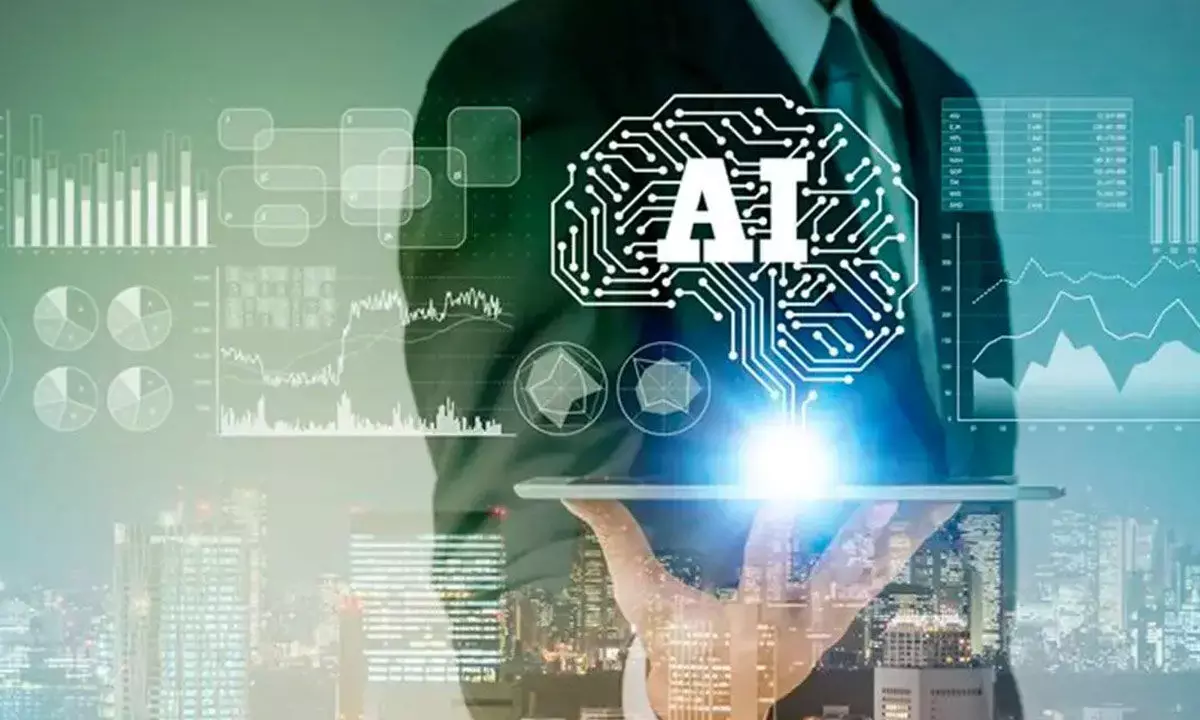
Artificial Intelligence
The creative landscape has been dramatically altered by artificial intelligence tools that can produce stunning visual art, compose music, and even write poetry within seconds. These technological marvels have sparked intense debate about the future of human creativity, with some heralding a new era of democratized art-making while others worry about the obsolescence of human artists.
Yet beneath the surface of this technological revolution lies a more profound question about the nature of creativity itself. While AI systems demonstrate remarkable technical proficiency, mounting evidence suggests that authentic artistic expression requires something beyond computational power: the uniquely human capacity for genuine emotion, personal struggle, and meaningful connection with the shared human experience. This isn’t a dismissal of AI’s impressive capabilities or a nostalgic retreat into tradition. Rather, it’s an exploration of what makes art truly resonate across cultures and generations—and why those qualities remain fundamentally tied to human consciousness and experience.
The mechanics of machine creativity
Artificial intelligence approaches creativity through sophisticated data analysis and pattern recognition. These systems examine vast collections of existing artworks, identifying recurring elements, stylistic choices, and compositional structures. When generating new pieces, they essentially remix these learned patterns in novel combinations, producing outputs that can appear surprisingly original. This computational approach yields impressive results. AI can generate photorealistic portraits of people who never existed, compose symphonies in the style of classical masters, and create abstract paintings that would look at home in contemporary galleries. The speed and technical competence of these systems often surpass human capabilities, particularly in areas requiring precise execution or complex mathematical relationships.
However, this process reveals a fundamental limitation. AI creation begins and ends with existing human work - it cannot conceive truly original concepts or draw from experiences outside its training data. The most sophisticated AI system remains constrained by the boundaries of human creativity it has observed, unable to transcend those limitations through genuine innovation.
Consider how human artists breakthrough into new territory. Revolutionary movements like Impressionism, Cubism, or Abstract Expressionism emerged not from analyzing existing art but from artists’ personal responses to their changing world. These breakthroughs required conscious choice, emotional conviction, and the willingness to risk failure - qualities that remain beyond artificial replication.
The language of human experience
What distinguishes truly memorable art is its ability to communicate something essential about the human condition. When we encounter a powerful painting, piece of music, or performance, we’re not simply appreciating technical skill - we’re connecting with another consciousness that has grappled with questions of existence, meaning, and mortality. This communication happens through subtle choices that reflect an artist’s lived experience. The particular way light falls across a painted face might convey loneliness learned through personal isolation. A musical phrase might capture the specific quality of joy that emerges after surviving profound loss. These nuances arise from the intersection of technical skill and authentic emotional understanding. AI systems can mimic the surface elements of these communications - the visual techniques, harmonic progressions, or narrative structures - but they cannot access the experiential foundation that gives these elements their power.
The irreplaceable human presence
Performance arts offer perhaps the clearest demonstration of human creativity’s unique value. When audiences gather to witness live music, theater, or dance, they’re seeking something that recorded or digital media cannot provide: direct connection with another human consciousness in real time. The spontaneity of live performance creates moments of genuine surprise and vulnerability that resonate deeply with audiences. A musician’s choice to extend a phrase, an actor’s subtle shift in emotional tone, or a dancer’s response to the energy in the room—these decisions emerge from the performer’s immediate experience and create irreplaceable moments of connection. This human presence extends beyond performance into the viewing or listening experience itself. Knowing that another human being has struggled to create something beautiful, has invested time and emotional energy in the work fundamentally changes how we receive it. We connect not just with the artwork but with the intention and experience behind it. Even in visual arts, where the artist may not be physically present, traces of human struggle and decision-making remain embedded in the work.
The value of imperfection and struggle
Perhaps counterintuitively, some of art’s most powerful effects emerge from human limitations rather than technical perfection. The slight tremor in an aging musician’s performance can convey emotional depth that flawless execution cannot match. The visible evidence of an artist’s struggle with their medium often makes a work more compelling than effortless technical demonstration.
This reflects a deeper truth about human creativity: it emerges from the tension between aspiration and limitation. Artists work within constraints—technical, material, and personal—and their creative solutions often derive their power from how effectively they navigate these challenges. The result is work that carries the mark of genuine human effort and ingenuity. AI systems, by contrast, operate without meaningful constraints. They don’t struggle with technical limitations, emotional resistance, or the physical demands of their medium. While this allows for impressive output, it eliminates the creative friction that often drives innovation and emotional authenticity in human work.
The question of meaning, purpose
Human creativity often emerges from a desire to make sense of existence, to communicate something important, or to leave a meaningful mark on the world. These motivations infuse artwork with purpose that extends beyond aesthetic appeal. The artist’s intention—whether to provoke thought, commemorate experience, or express beauty—becomes part of the work’s meaning. AI systems, regardless of their sophistication, lack genuine intention. They generate outputs based on prompts and parameters, but without underlying purpose or meaning-making drive. This absence becomes particularly noticeable in work that attempts to address serious themes or social issues, where authentic engagement with the subject matter is essential for meaningful expression.
Technology as Creative Partner
Rather than viewing AI as a replacement for human creativity, forward-thinking artists and institutions are exploring its potential as a powerful creative tool. Used thoughtfully, AI can extend human capabilities, suggest unexpected combinations, or handle technical tasks that free artists to focus on conceptual and emotional development. This collaborative approach recognizes both AI’s strengths and its limitations. While artificial intelligence excels at generating variations, processing large datasets, and executing complex technical operations, human creativity provides the vision, intention, and experiential understanding that transform technical execution into meaningful expression.
Preparing for an Integrated Future
As AI tools become more sophisticated and accessible, the creative industries face important decisions about how to integrate these technologies while preserving what makes human creativity valuable. This involves both practical considerations about workflow and deeper questions about artistic purpose and meaning.
Educational institutions play a crucial role in this transition. Art schools and creative programs must teach students not only how to use AI tools effectively but also how to develop their uniquely human creative capacities. This means emphasizing critical thinking, emotional intelligence, and personal vision alongside technical skills.
The market for creative work is also adapting to distinguish between AI-generated content and human-created art. Audiences increasingly value transparency about creative processes and show continued preference for work that carries the mark of genuine human experience and intention.
Looking Forward
The emergence of sophisticated AI creativity tools represents both a challenge and an opportunity for human artists. While these systems can replicate many technical aspects of creative work, they highlight what remains uniquely valuable about human creativity: the ability to infuse work with genuine meaning, emotional authenticity, and personal vision. This technological moment offers an opportunity to clarify what we truly value in artistic expression. As AI handles more routine creative tasks, human artists can focus on what they do best: exploring complex emotions, grappling with meaningful questions, and creating connections that transcend technical proficiency. The future of creativity likely lies not in competition between human and artificial intelligence but in thoughtful collaboration that leverages the strengths of both. AI can serve as a powerful tool for exploration and execution, while human creativity provides the vision, meaning, and emotional resonance that transform technical output into lasting art.
Understanding this distinction helps us appreciate both AI’s remarkable capabilities and the irreplaceable value of human creative expression. As we navigate this technological transformation, the challenge is to embrace innovation while protecting and cultivating the uniquely human elements that make art a meaningful force in our lives. The canvas may be digital and the tools artificial, but the soul behind meaningful creation remains fundamentally, irreplaceably human.
(Krishna Kumar is a Technology Explorer & Strategist based in Austin, Texas, USA. Rakshitha Reddy is AI Developer based in Atlanta, Georgia, USA)