Transforming Government Services Through Digital Modernization


Government services are at a turning point, with citizens expecting seamless digital interactions similar to commercial platforms. Digital transformation expert Faiz Mulla shares insights on modernizing legacy systems to enhance efficiency and user experience
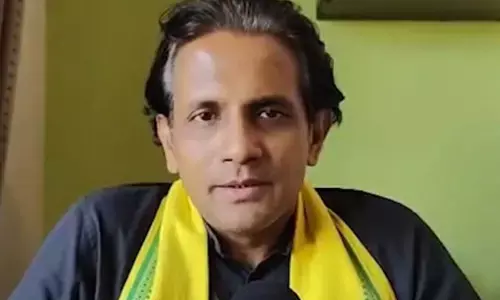
Work in government services is at a historic crossroads, as digital expectations shift dramatically. Citizens now demand the same seamless, intuitive interactions in government applications that they experience in commercial technology. However, according to Faiz Mulla, an expert in digital transformation and modernization, real change requires more than just surface-level design improvements. Instead, deep modernization of legacy systems is essential to meet user expectations while maintaining operational excellence.
Mulla's career is a testament to his ability to transform traditional, rigid systems into dynamic, scalable solutions. He has spearheaded digital transformations that doubled efficiency and scalability, collaborated with leading technology partners to enable seamless integrations, and shared his expertise through thought leadership articles and conferences. His approach emphasizes the critical link between user-centered design and robust infrastructure.
"A significant challenge in government applications is the prevalence of legacy systems that are not adaptive enough to accommodate modern user requirements," Mulla explains. His leadership in implementing Agile transformation at the Virginia Department of Social Services (VDSS) is a prime example of how process-driven change can lead to user-focused outcomes. By shifting from traditional waterfall models to Agile methodologies, Mulla facilitated faster, more flexible development cycles, ultimately benefiting end users.
One of his standout initiatives was the redesign of the CommonHelp internet portal, which demonstrated how modernization can enhance accessibility and ease of use. "User-centric design isn’t just about aesthetics; it’s about ensuring that strong backend systems support intuitive interfaces," Mulla notes. His strategic system optimizations reduced maintenance costs by 20% and processing times by 25%, significantly improving government operations. "These efficiencies translate to a better experience for citizens—faster processing times mean quicker service delivery."
Mulla’s expertise extends to high-impact projects such as the Disaster Supplemental Nutrition Assistance Program (DSNAP) and the state licensing software NELA. These initiatives highlight the delicate balance required between compliance and usability. "Government applications must navigate complex regulatory landscapes while still prioritizing user needs," he explains. By focusing on continuous data migration and stakeholder alignment, Mulla ensures that modernization efforts retain the trust and reliability expected from government systems.
Looking ahead, Mulla sees emerging technologies such as machine learning and blockchain playing a pivotal role in the next wave of government modernization. "The true measure of success isn’t just technological—it’s about simplicity and user satisfaction," he says. "By leveraging advanced security features and automation, we can create systems that are not only efficient but also intuitive and user-friendly."
As the demand for intuitive digital services continues to grow, government agencies must adopt a holistic approach to modernization. "Putting users at the center of every design decision is key," Mulla asserts. His track record serves as a roadmap for agencies seeking to align technical innovation with public needs. Through his work, he demonstrates that thoughtful modernization can lead to transformative results, ensuring that government services remain both efficient and accessible in the digital age.