Govt transparency can contain Trump taunts and help India emerge stronger

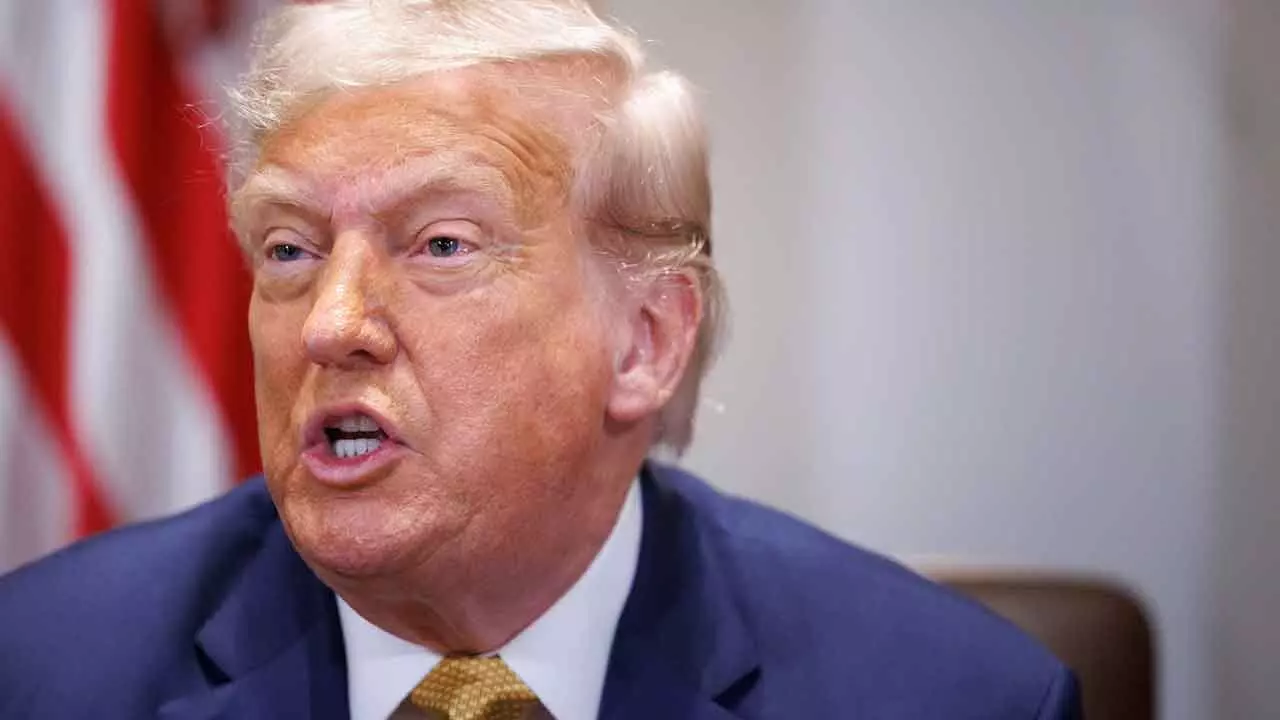
For the nth time, US President Donald Trump has remarked about the recent conflict between India and Pakistan that followed the Pahalgam terror attack. Speaking at a private dinner with Republican lawmakers, he said, “In fact, planes were being shot out of the air. Five, five, four or five, but I think five jets were shot down actually.” It goes without saying that such remarks are unnecessary as they hurt India’s prestige globally without offering any benefits to the US or even Trump himself. While the US President has been less than prudent in making such utterances, the Narendra Modi government has not done much better on this count. The swift mobilisation and coordination of armed forces reflected a high level of preparedness and resolve. For this, the Prime Minister deserves praise. However, beyond that, the government has done precious little to elicit applause.
Despite having the upper hand at a critical juncture, India did not sufficiently degrade Pakistan’s military capabilities—particularly its air force. This was a squandered opportunity. Given the extent of the provocation and the clarity of intelligence on militant operations emanating from Pakistani soil, a more decisive and sustained military response could have had a greater deterrent effect. To compound matters, a perception soon took root that New Delhi had accepted a premature ceasefire, allegedly under pressure from the United States. Although there has been no official confirmation of Washington’s role, the circumstantial evidence—including the timing and statements by US officials, and subsequent diplomatic moves—suggests that American pressure could have indeed influenced New Delhi’s decision-making. If true, this only reinforces the view that India ceded strategic ground just when it had the moral and military high ground. This impression, unless effectively countered, can prove damaging in the long run. It can send the wrong message to both adversaries and allies, thus affecting India’s deterrence posture and complicating future military and diplomatic calculations. The government now needs to set the record straight—and do that through transparency. An impartial and comprehensive inquiry must be conducted into the entire episode.
The inquiry must investigate the military objectives, the chain of decisions taken at the highest levels, the diplomatic pressures involved, and the actual outcomes, both in terms of gains and losses. This would not only help bring clarity to the sequence of events but also serve as a vital learning tool for future conflicts. Over two months have passed since the hostilities ended, and the public, as well as Parliament, deserves to know the facts. How many casualties were there? What were the exact losses on both sides? What were the goals set out by the political leadership, and were they achieved? Without this information, speculation will continue to fill the vacuum, potentially harming public morale and weakening trust in the government. In democracies, transparency is not a luxury but a necessity. A government that withholds information under the guise of national interest risks undermining that very interest by alienating its people. If the Modi government continues to remain tight-lipped, it will not only prolong the confusion and unease surrounding the incident but may also damage its own credibility in the eyes of the electorate. India must chart its own strategic course—assertively, confidently, and transparently. Only then can India emerge stronger.