India’s global reset: Rebuilding ties with Canada, US and the West

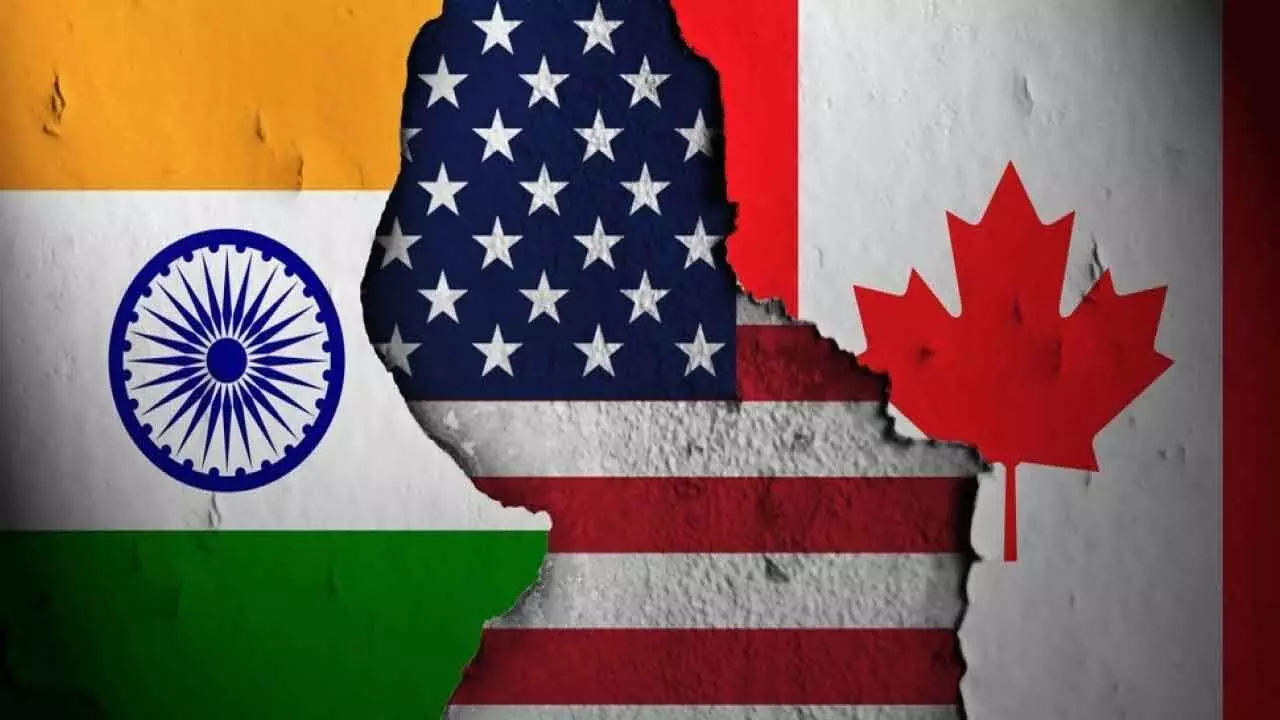
India and Canada have agreed on an “ambitious roadmap” to restore and rebuild bilateral relations, which sharply deteriorated following the killing of a Khalistani Sikh extremist in the North American country in 2023. This is a pleasant surprise, as the then prime minister, Justin Trudeau’s party, the Liberal Party, returned to power this year. It may be recalled that Trudeau played a pivotal role in souring Indo-Canadian relations. The objective of the new roadmap is to advance “cooperation in various domains, including trade, investment, agriculture, science and technology, civil nuclear collaboration, artificial intelligence, critical minerals, and energy,” said External Affairs Minister S. Jaishankar after meeting his Canadian counterpart Anita Anand in New Delhi. This should be seen as part of a major reset in India’s engagement with the world: there is new urgency in boosting relations with other countries, especially the West. After months of bitterness over US President Donald Trump’s peevish remarks about India, the two countries have also decided to hold trade negotiations this week. India has reportedly promised to import US energy and gas as it aims to placate Washington’s concerns over the issue of Russian oil purchases.
Trump’s conciliatory tone in his statements has played a part in ensuring this. British Prime Minister Keir Starmer’s recent visit should also be viewed in the same light. It has helped widen engagements between the two nations in critical areas such as trade, technology, defence, and security. His trip was preceded by Prime Minister Narendra Modi’s visit to London in July, when the two countries signed a crucial comprehensive economic & trade agreement (CETA) that is currently awaiting ratification. Around the same time, the Trade and Economic Partnership Agreement (TEPA), which India signed with the European Free Trade Association (EFTA) in March 2024, came into effect. The EFTA, comprising Switzerland, Norway, Iceland, and Liechtenstein, is a vital bloc for India’s export diversification strategy. EFTA nations have pledged substantial long-term investments in India’s manufacturing and services sectors in return for tariff concessions, establishing a new model for future trade negotiations. India is also actively negotiating a broader free trade agreement (FTA) with the European Union, its largest trading partner in goods. The growing economic interdependence, catalysed by Trump’s aggressive tariffs, has created strong momentum for an ambitious FTA that could remove regulatory barriers, liberalise services, and enhance investment protections.
With more than 6,000 EU companies already operating in India, both sides see immense potential in expanding cooperation in sectors such as digital technologies, renewable energy, pharmaceuticals, and green mobility. These developments have also effected a shift in India’s external engagement—from reactive diplomacy to a proactive and strategic recalibration of partnerships. The emphasis is on diversification, resilience, and technological collaboration. Whether it is through rebuilding trust with Canada, reviving trade talks with the US, strengthening strategic ties with the UK, or pursuing ambitious economic integration with Europe, India’s foreign policy today reflects a confident, globally oriented vision. This transformation is being driven by both geopolitical and economic imperatives. In an era of fragmented global supply chains, energy insecurity, and technological competition, India’s ability to maintain balanced relations with major powers while pursuing its developmental priorities is becoming its most valuable diplomatic asset. The new roadmap with Canada, therefore, is not an isolated event but part of a larger narrative.