MP Minister’s hate speech underlines toxicity in public life

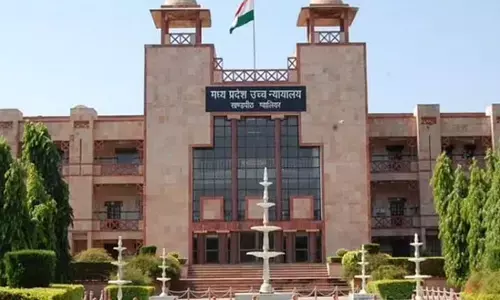
The Madhya Pradesh High Court must be lauded for taking suo motu cognizance of the shocking and disgraceful remarks made by state Minister Vijay Shah against Colonel Sophia Qureshi. In a move that underscores the judiciary’s role in upholding constitutional values, the court has ordered the Director General of Police (DGP) to register a First Information Report (FIR) against the minister for his derogatory, communal, and sexist comments. The court’s directive was clear and urgent: the FIR must be filed by the evening of the same day, or the DGP could face contempt proceedings.
Shah’s remarks were not only deeply offensive but also dangerous in their communal undertones and misogynistic framing. Referring to Operation Sindoor, Shah said, “They stripped Hindus and killed them, and Modi-ji sent their sister to return the favour. We couldn’t undress them, so we sent a daughter from their community… You widowed sisters of our community, so a sister of your community will strip you naked.” He went on to declare, “Modi-ji proved that the daughters of your caste can be sent to Pakistan to take revenge.”
Worse, the reprehensible speech was made in the presence of several prominent BJP leaders, including Union Minister of State for Women & Child Development Savitri Thakur and MLA and former Cabinet minister Usha Thakur. Their presence and silence during the speech have raised serious questions about complicity and the normalization of hate speech in political discourse.
Colonel Qureshi, the officer targeted by Shah’s remarks, has served her country with distinction. Alongside Wing Commander Vyomika Singh, she has been the public face of the Indian military during briefings on Operation Sindoor. These two women officers regularly accompanied Foreign Secretary Vikram Misri in press conferences, exemplifying professionalism and courage under pressure. Yet, instead of being celebrated, they have been subjected to vile attacks and derogatory insinuations for their role in a sensitive military operation.
By the by, Misri and his daughter also became the targets of some other saffronites. They were subjected to social media trolling and abuse for his ‘sin’ of announcing the ceasefire between India and Pakistan—as if he decided to stop the hostilities between the two nations! In response to the online harassment, the Indian Administrative Service (IAS) Association issued a strong statement condemning the personal attacks on Misri, reaffirming their support for civil servants who carry out their duties with integrity.
The two episodes highlight a deeper malaise in Indian public life: the increasing acceptance of communal, sexist, and inflammatory rhetoric in political speeches and the toxic targeting of civil and military officials. The role of the judiciary, in this case, becomes even more critical. By demanding accountability and setting strict deadlines for police action, the Madhya Pradesh HC has sent a strong message that hate speech will not be tolerated under the shield of political privilege.
It is high time the Central government, as well as leaders from the ruling Bharatiya Janata Party and its ideological parent, the Rashtriya Swayamsevak Sangh (RSS), took concrete steps to cleanse the political arena and the public sphere of such venom. Democratic societies thrive not on intimidation and divisiveness, but on respect for the Constitution, equality, and the dignity of all citizens. The country owes its officers—civil and military—not only protection but also the respect their service deserves.